Angus Taylor's Australian Values Visa Check: What it Means for Migrants
Angus Taylor's plan for visa holders to comply with "Australian Values" is under scrutiny. We break down the proposal, its implications, and potential impact.



Angus Taylor's plan for visa holders to comply with "Australian Values" is under scrutiny. We break down the proposal, its implications, and potential impact.
Recently, Angus Taylor, a prominent figure in Australian politics, proposed a significant shift in visa requirements. He suggests making adherence to the "Australian Values Statement" a mandatory condition for visa holders. This means visas could be denied or cancelled if individuals are deemed to not comply. Let's break down what this entails and why it's causing a stir.
The Australian Values Statement is a document that prospective migrants are required to sign, affirming their commitment to upholding Australian laws and values. These values generally include respect for freedom of speech, religion, and association; equality of opportunity; and democracy. However, the current system primarily relies on a signed declaration, with limited enforcement.
Taylor's proposal goes beyond a simple signed statement. He envisions a system where compliance with these values is actively assessed and enforced. This could potentially involve scrutinizing visa holders' social media activity, public statements, and general conduct to determine if they align with "Australian values."
This proposal has significant implications for Australia's immigration system and its reputation as a welcoming and multicultural nation. It raises concerns about potential discrimination, the practical challenges of defining and assessing "Australian values," and the impact on individual freedoms.
For potential migrants, this could mean increased scrutiny and uncertainty in the visa application process. It also raises questions about how "compliance" will be measured and what evidence will be considered. A seemingly innocuous social media post could potentially jeopardize someone's visa status.
In our opinion, while the intention of promoting social cohesion and upholding Australian laws is understandable, this proposal raises serious practical and ethical concerns. Defining "Australian values" in a concrete and universally accepted way is inherently challenging. Whose interpretation of "Australian values" will be used? How will freedom of speech and expression be protected?
Furthermore, the practicalities of monitoring and enforcing compliance are daunting. Social media vetting is a complex and resource-intensive process. It also raises concerns about privacy and the potential for bias. In our opinion, the cost of implementing and maintaining such a system would likely outweigh the benefits.
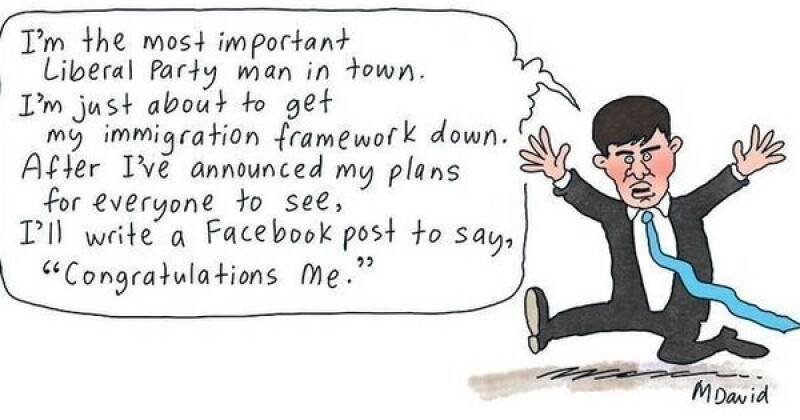
It's also worth noting that, as pointed out in the original article, this proposal appears to be a strategic move, perhaps aimed at appealing to certain segments of the electorate or addressing concerns raised by parties like One Nation. This could impact the policy's long-term viability and its perceived legitimacy.
The future of this proposal is uncertain. It will likely face significant opposition from civil liberties groups, human rights organizations, and potentially even within the government itself. The feasibility of implementation will also be a major hurdle.
This could impact Australia's attractiveness as a destination for skilled migrants and international students. If the perception is that Australia is becoming less welcoming or more restrictive, potential migrants may choose to pursue opportunities in other countries. This could ultimately harm Australia's economy and its ability to attract talent.
The debate surrounding this proposal highlights the ongoing tension between national security concerns, the desire to maintain social cohesion, and the need to uphold individual freedoms and a fair immigration system. The outcome of this debate will have a significant impact on the future of Australia's immigration policy and its place in the world.