Australia's Unspoken History: Aboriginal Resistance and Its Importance
Explore the untold story of Aboriginal resistance in Australia, the battles fought with spears against guns, and why acknowledging this history matters.
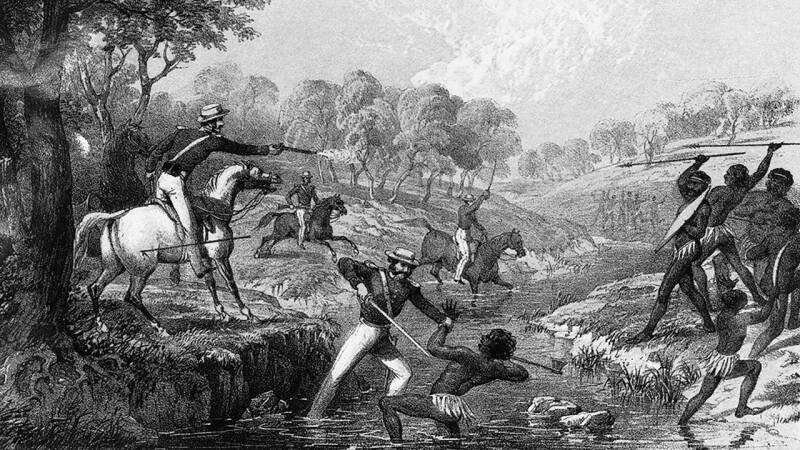



Explore the untold story of Aboriginal resistance in Australia, the battles fought with spears against guns, and why acknowledging this history matters.
For too long, Australia's historical narrative has largely overlooked a crucial aspect of its past: the widespread and often fierce resistance mounted by Aboriginal people against colonial expansion. While stories of European settlement and exploration are commonplace, the accounts of Aboriginal warriors defending their land with spears against guns remain largely untold. One of the founding activists of the Aboriginal Tent Embassy is now pushing for this truth to be widely acknowledged.
The common narrative often paints Aboriginal people as passive victims of colonization. However, the reality is far more complex and reveals a history of active resistance. For decades, Aboriginal groups across the continent engaged in skirmishes, battles, and organized resistance against settlers, soldiers, and pastoralists. These conflicts, often referred to as the "Frontier Wars," resulted in the deaths of thousands of Aboriginal people. It is vital that these events are given prominence in Australia's historical record.
The activist highlighted the importance of acknowledging these sacrifices. He argued that Australia cannot fully reconcile with its past until it confronts the violence and injustice inflicted upon Aboriginal people as they fought to protect their ancestral lands. The spear, in this context, is not just a weapon; it symbolizes courage, resilience, and the deep connection Aboriginal people have with their Country.
Acknowledging Aboriginal resistance is not just about correcting the historical record; it's about fostering a more inclusive and accurate understanding of Australia's identity. By recognizing the sacrifices and struggles of Aboriginal people, we can begin to dismantle the myths and stereotypes that have perpetuated discrimination and inequality for generations. This recognition can foster healing and reconciliation, and pave the way for a more just and equitable future for all Australians. In our opinion, truth-telling is an essential step towards genuine reconciliation.
The reluctance to fully embrace the history of Aboriginal resistance likely stems from the uncomfortable truths it reveals about the nature of colonization. Acknowledging the violence and dispossession inflicted upon Aboriginal people challenges the romanticized narratives that often dominate Australian history. However, confronting these uncomfortable truths is essential for national healing and progress. This requires a shift in perspective, from viewing Aboriginal people as victims to recognizing them as active agents in their own history, fighting for their rights and their land.
Furthermore, the absence of these stories in mainstream education contributes to a lack of understanding and empathy towards Aboriginal communities. By incorporating Aboriginal perspectives and histories into the curriculum, we can equip future generations with a more nuanced and comprehensive understanding of Australia's past and present. This will enable them to critically examine the legacy of colonization and work towards a more just and equitable future.
The call to acknowledge Aboriginal resistance is gaining momentum. There's a growing movement of historians, activists, and community leaders who are working to bring these stories to light. It is anticipated that in the coming years, we will see more efforts to incorporate Aboriginal perspectives into the national curriculum, museums, and public spaces. This could involve the creation of memorials, the development of educational resources, and the commissioning of research projects to further explore the history of Aboriginal resistance.
This could impact on the way Australians view themselves and their history. A more complete and honest understanding of the past will foster greater empathy, respect, and understanding between Aboriginal and non-Aboriginal Australians. It also has the potential to strengthen Aboriginal communities, empowering them to reclaim their narratives and shape their own future. In our opinion, this will be a long journey, but one that is absolutely necessary for building a truly reconciled and just Australia.