South Okanagan Power Cuts: Why FortisBC's Plan is Facing Backlash
South Okanagan residents are pushing back against FortisBC's expanded power outage plan. Learn why this matters and what the future holds.



South Okanagan residents are pushing back against FortisBC's expanded power outage plan. Learn why this matters and what the future holds.
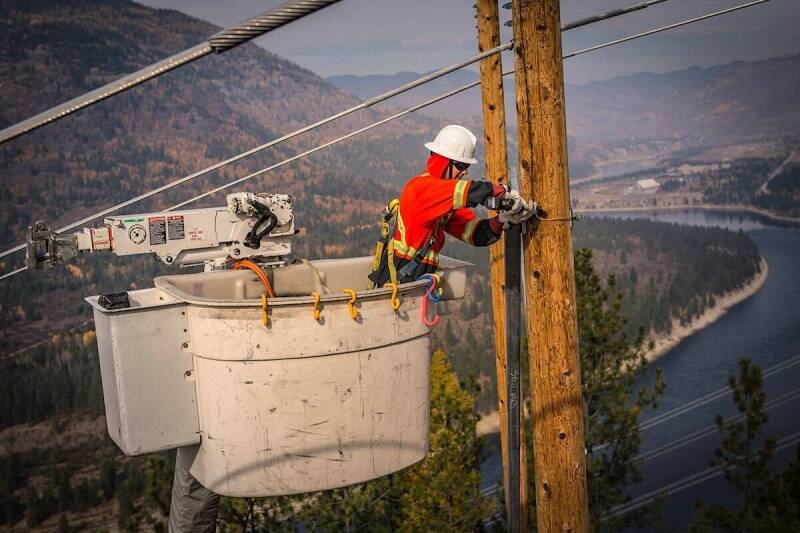
Residents and officials in the South Okanagan region are expressing strong disapproval of FortisBC's proposed expansion of its pre-emptive power outage plan. This plan, initially introduced in 2025, aims to reduce wildfire risk by proactively shutting off power during periods of high fire danger. However, the community is raising concerns about the plan's scope and potential impact on daily life.
FortisBC's plan involves intentionally cutting power to specific areas when weather conditions, such as high winds and dry vegetation, create a heightened risk of wildfires. This is done to prevent power lines or equipment from sparking and igniting fires. While the intent is to protect communities from devastating wildfires, the implementation of such a plan has sparked considerable debate.
This situation highlights the delicate balance between public safety and the disruption caused by preventative measures. Power outages can significantly impact homes, businesses, and critical infrastructure. Imagine losing access to essential medical equipment, having businesses grind to a halt, or experiencing communication blackouts during an emergency. These are real concerns for the residents of the South Okanagan.
Furthermore, this issue is not unique to the South Okanagan. As climate change increases the risk of wildfires globally, communities everywhere are grappling with similar decisions about preventative measures and risk mitigation.
In our opinion, FortisBC faces a challenging task. On one hand, they are responsible for ensuring public safety and preventing wildfires. On the other hand, they must consider the significant impact that planned power outages can have on the community. Communication and transparency are key to finding a solution that balances these competing priorities.
It seems the main point of contention lies in the scale and frequency of the proposed power cuts. While some level of preventative action may be necessary, the expanded plan appears to be causing alarm among residents who fear prolonged disruptions to their lives and livelihoods. A more targeted approach, focusing on areas with the highest fire risk, might be a more palatable solution.
Small businesses, in particular, are vulnerable to the economic consequences of planned power outages. Loss of revenue, spoiled inventory, and the inability to serve customers can have a significant impact on their bottom line. The community needs to consider how to support these businesses during times of planned outages.
The situation in the South Okanagan underscores the need for proactive solutions to mitigate wildfire risk. However, these solutions must be carefully considered and implemented in a way that minimizes disruption to communities. We expect that FortisBC will continue to engage with residents and officials to refine its power outage plan.
Moving forward, we believe that investing in a more resilient and modern energy grid is crucial. This could include burying power lines, using advanced sensors to detect potential fire hazards, and implementing microgrids to provide backup power during outages. This could impact how reliable power will be in the future and should be a focus in the region.
Ultimately, finding a sustainable solution requires a collaborative effort between FortisBC, local officials, and the community. Open communication, careful planning, and a willingness to compromise are essential for protecting the South Okanagan from the devastating effects of wildfires while minimizing the impact on residents' lives.