Solar Energy and Backup Systems: A Guide to Energy Independence
Learn how to design and implement solar energy and backup systems for your home to achieve energy independence and protect against power outages and rising energy costs.
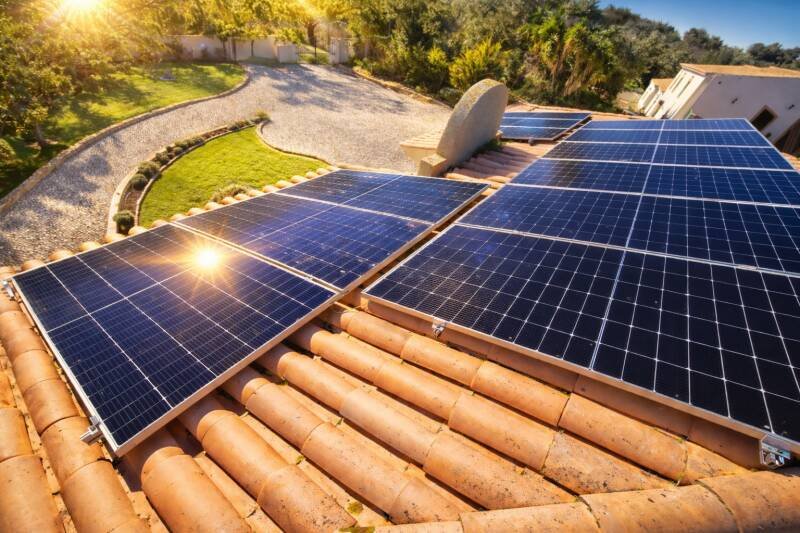



Learn how to design and implement solar energy and backup systems for your home to achieve energy independence and protect against power outages and rising energy costs.
The reality of energy instability in our homes is becoming increasingly apparent. Rising costs, market volatility, and growing pressure on the electricity grid are making homeowners vulnerable to power outages and unpredictable energy bills. Fortunately, there's a growing solution: designing and implementing your own solar energy and backup system.
Traditional energy systems are facing several challenges. Fossil fuel dependence contributes to environmental concerns and price fluctuations. Aging infrastructure struggles to meet increasing demand, leading to more frequent power outages, especially during peak seasons or extreme weather events. These factors combine to create a need for more resilient and sustainable energy solutions.
This isn't just about saving money on your electricity bill, although that's certainly a perk! It's about taking control of your energy future. A solar and backup system provides energy independence, reducing your reliance on the grid and shielding you from price spikes. In our opinion, it's a crucial step towards a more sustainable and secure lifestyle.
The increasing affordability of solar panels and battery storage is democratizing access to renewable energy. Government incentives and tax credits can significantly reduce the upfront costs. Technological advancements are also improving the efficiency and lifespan of solar and battery systems, making them a more attractive investment.
However, it's important to acknowledge that the initial investment can be substantial. Careful planning and professional installation are essential to ensure optimal performance and safety. Homeowners should also consider their energy consumption patterns and future energy needs when designing their system. In our opinion, professional guidance is invaluable in navigating the complexities of solar and battery technology.
Here's a breakdown of the key considerations when designing a solar and backup system:
The components you choose are crucial. Solar panels convert sunlight into electricity. Inverters convert the direct current (DC) electricity from the panels into alternating current (AC) electricity that can be used in your home. Batteries store excess solar energy for use during periods of low sunlight or power outages.
The future of home energy is undoubtedly leaning towards increased reliance on renewable sources and energy storage. As technology advances, we can expect even more efficient and affordable solar and battery systems. Smart home integration will further optimize energy usage and grid interaction. This could impact the real estate market as homes with solar and battery systems become increasingly desirable.
Government policies and incentives will continue to play a significant role in driving adoption. We anticipate that more states and municipalities will offer financial support and streamline the permitting process. This, in turn, will accelerate the transition towards a cleaner and more resilient energy future.
























