Rare Blue Moon in Vancouver: What It Means and Why It Matters
A rare blue moon will be visible in Metro Vancouver this May! Learn why this lunar event is special, its significance, and how it might impact our lives.
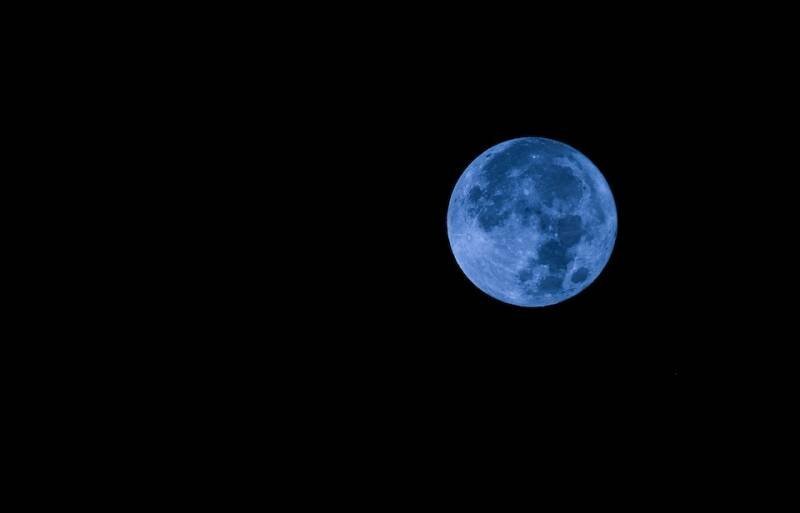



A rare blue moon will be visible in Metro Vancouver this May! Learn why this lunar event is special, its significance, and how it might impact our lives.
Skywatchers in Metro Vancouver are in for a treat! A rare "Blue Moon" will be visible this May, offering a stunning celestial display. While it won't actually *look* blue, this special lunar event is a sight to behold because of its rarity.
The term "Blue Moon" doesn't refer to the color of the moon. Instead, it describes two different lunar phenomena. The original, less common definition is the third full moon in a season that has four full moons. The more widely known definition, and the one applicable here, refers to the second full moon in a single calendar month. Because the lunar cycle is about 29.5 days, it's rare for two full moons to occur within the same month.
Think of it this way: a typical month only allows for one full moon. When the timing is just right, we get a bonus! This extra full moon is what we call a Blue Moon.
While a Blue Moon might seem like just a cool astronomical event, it has cultural and historical significance. In the past, tracking lunar cycles was crucial for agricultural practices and timekeeping. Irregular events like Blue Moons served as markers and talking points, often weaving their way into folklore and language. The phrase "once in a blue moon" highlights the rarity and specialness of the event. Even today, observing these events helps us connect with the natural world and appreciate the beauty of the cosmos.
Furthermore, events like this can spark an interest in science and astronomy, particularly among young people. Encouraging curiosity about the universe can lead to future scientists and innovators.
The upcoming Blue Moon provides a fantastic opportunity for community engagement. Astronomy clubs and local science centers can host viewing events, educating the public about lunar cycles and space exploration. The accessibility of this event – requiring no special equipment beyond clear skies – makes it inclusive and appealing to a wide audience. In our opinion, this is a chance to foster a greater appreciation for science and the wonders of the night sky.
It's important to note that light pollution in Metro Vancouver might make viewing slightly challenging. Heading to a location away from city lights will provide the best experience. Parks, beaches, and areas further outside the downtown core are ideal spots.
The next Blue Moon will occur in August 2026. While this might seem like a long wait, the frequency of Blue Moons varies, making each occurrence unique. Looking further ahead, understanding lunar cycles is becoming increasingly relevant with renewed interest in lunar exploration. Space agencies are planning missions to the moon, and a deeper understanding of lunar phenomena will be crucial for these endeavors.
This could impact the future of space travel. Better data collection will allow us to learn more about our moon, the possibilities for space colonies, and the possibilities for resources available.
Don't miss this chance to witness a rare and captivating lunar event. Mark your calendars and get ready to look up at the sky!