Pacific Nations Call for End to Fossil Fuels: A Turning Point?
Pacific Island nations are urging a global shift away from fossil fuels. Learn why this matters, the implications, and what the future holds for climate action.
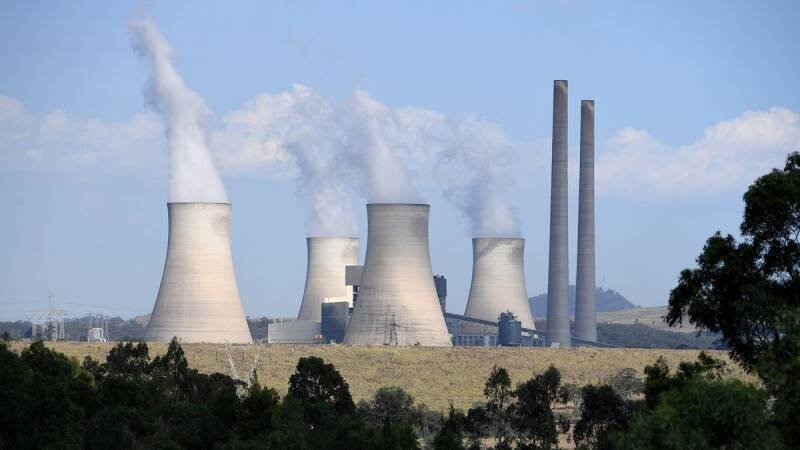



Pacific Island nations are urging a global shift away from fossil fuels. Learn why this matters, the implications, and what the future holds for climate action.
Leaders from Pacific Island nations have issued a powerful declaration calling for a definitive end to the age of fossil fuels. This bold move highlights the severe threat these nations face from rising sea levels and the devastating impacts of climate change.
The declaration specifically targets the continued reliance on coal, oil, and gas. It emphasizes the need for a rapid transition to renewable energy sources and pushes for stronger global commitments to reduce greenhouse gas emissions. The leaders also expressed concern over what they consider unproven and potentially risky technologies like carbon capture and storage (CCS) and geoengineering.
For Pacific Island nations, climate change isn't an abstract threat; it's an existential one. Rising sea levels are already displacing communities, contaminating freshwater sources, and eroding coastlines. The declaration is a desperate plea for the world to take their plight seriously and act decisively.
Beyond the immediate impact on these vulnerable nations, this declaration serves as a moral compass for the global community. It challenges the status quo and forces a critical examination of our energy policies. It reminds us that the choices we make today will have profound consequences for future generations, particularly those living on the front lines of climate change.
In our opinion, this declaration is more than just a symbolic gesture. It represents a growing frustration with the slow pace of international climate negotiations and the continued investment in fossil fuels. The Pacific Island nations are leveraging their moral authority to demand meaningful action.
The specific mention of carbon capture and storage and geoengineering is also noteworthy. While these technologies are often touted as potential solutions to climate change, many scientists and activists argue that they are unproven, expensive, and could have unintended consequences. The Pacific leaders are clearly skeptical and prefer a focus on reducing emissions at the source.
The declaration also underscores the importance of climate justice. The nations that have contributed the least to climate change are suffering the most from its effects. This raises fundamental questions about fairness and responsibility in the global fight against climate change.
This declaration could significantly influence the upcoming COP28 climate summit and other international climate negotiations. It adds weight to the calls for a global phase-out of fossil fuels and puts pressure on major emitting countries to increase their climate ambition.
This could impact investment decisions, pushing investors towards renewable energy projects and away from fossil fuel infrastructure. It could also lead to more stringent regulations on emissions and a greater focus on climate adaptation measures.
Despite the declaration's potential impact, significant challenges remain. The world's reliance on fossil fuels is deeply entrenched, and vested interests are likely to resist a rapid transition to renewable energy. Furthermore, achieving global consensus on climate action is notoriously difficult, given the divergent interests and priorities of different countries.
To support the efforts of Pacific Island nations and accelerate the transition to a sustainable future, several actions are needed:
The Pacific declaration serves as a powerful reminder that climate change is a shared responsibility. We must all work together to protect our planet and ensure a sustainable future for all.
























