Madhya Pradesh School Timings Changed: Heatwave Impact on Education
Due to the severe heatwave, Madhya Pradesh has revised school timings. Find out the new schedule for Bhopal, Indore, and Gwalior schools and the impact on students.



Due to the severe heatwave, Madhya Pradesh has revised school timings. Find out the new schedule for Bhopal, Indore, and Gwalior schools and the impact on students.
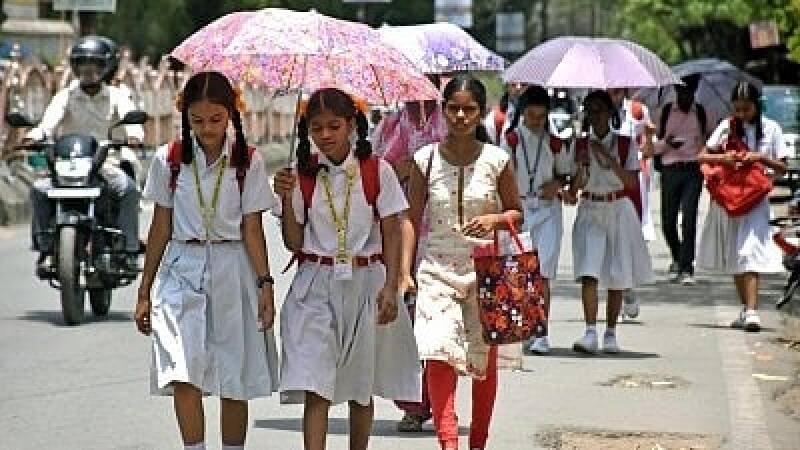
Madhya Pradesh is currently experiencing a severe heatwave, and as a result, district administrations have taken proactive measures to protect students. Several districts, including major cities like Bhopal, Indore, and Gwalior, have announced revised school timings. The aim is to minimize students' exposure to the intense heat during peak hours.
The revised schedule affects students in classes 1 through 12. Schools will now operate from 7:30 am to either 12:00 noon or 12:30 pm. This change is effective from April 18th and will remain in place until further notice from the authorities. This ensures that children are home before the hottest part of the day.
The decision highlights the government's responsiveness to the prevailing weather conditions and its commitment to prioritizing the well-being of students. Many parents in these cities were understandably worried about sending their children to school in the afternoon heat, making this a welcome announcement.
This news is significant for several reasons:
In our opinion, this is a sensible and necessary decision. The heatwave in Madhya Pradesh is a serious concern, and extended exposure can lead to heatstroke and other health issues, especially in children. Changing the school timings minimizes risk and ensures that students can continue their education in a safer environment.
While the adjusted timings are beneficial, it's important to consider the potential impact on the school curriculum and teaching hours. Schools may need to adjust their schedules to ensure that students receive adequate instruction. Furthermore, ensuring proper hydration and ventilation during school hours will be crucial. This could impact learning hours for students and require schools to make adjustments to their schedules.
The duration of these revised timings will depend on the intensity and duration of the heatwave. Authorities will likely continue to monitor the weather conditions and make further adjustments as needed. Looking ahead, this situation underscores the growing importance of climate-resilient education systems.
We believe that schools and local governments should explore long-term strategies to mitigate the impact of extreme weather events on education. This could include:
The current situation serves as a reminder of the need for proactive planning and adaptation in the face of changing climate patterns. By prioritizing student safety and investing in climate-resilient infrastructure, we can ensure that education continues uninterrupted, even in the face of challenging weather conditions. Ultimately, this decision puts children first. This could set an example for other states in India that regularly experience extreme weather.