Saudi Arabia Backs Pakistan's Green Initiative: A Boost for Agriculture and Sustainability
Saudi Arabia is supporting Pakistan's "Green Pakistan" initiative. Learn how this collaboration aims to improve irrigation, boost agriculture, and promote sustainable development.
Saudi Arabia Invests in Pakistan's Green Future: A Major Boost for Agriculture
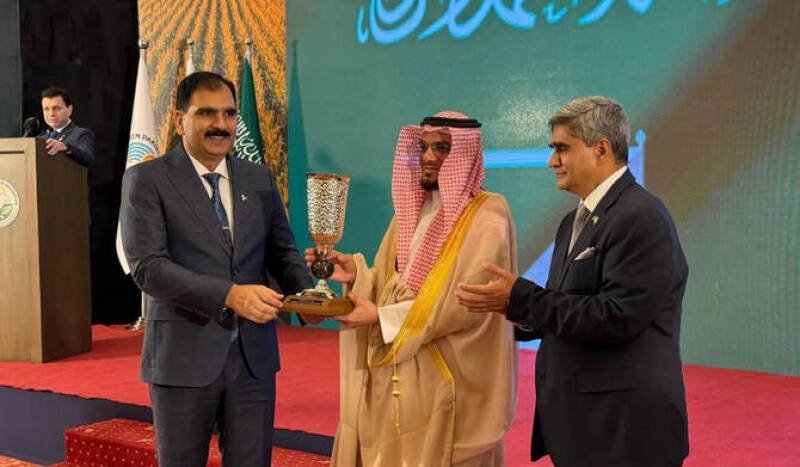
A Saudi delegation recently visited Pakistan, signaling strong support for the "Green Pakistan" initiative. Headed by Dr. Sulaiman Al-Khateeb, Assistant Deputy Minister for Agriculture Affairs, the delegation's presence underscores Saudi Arabia's commitment to bolstering Pakistan's agricultural sector and promoting sustainable practices.
The "Green Pakistan" initiative focuses on strengthening Pakistan's irrigation systems. This investment promises to dramatically improve agricultural productivity, create much-needed jobs, protect the environment, and enhance food security across the nation. This collaboration highlights a concerted effort to advance sustainable development goals.
What is the "Green Pakistan" Initiative?
The "Green Pakistan" initiative is a comprehensive program aimed at addressing environmental challenges and promoting sustainable development in Pakistan. It encompasses a range of projects, including reforestation efforts, improving water management, and promoting climate-smart agriculture.
How Will Saudi Arabia Support the Initiative?
While specific details of the financial support weren't disclosed, Saudi Arabia's commitment signifies a substantial investment in the initiative's success. The support will likely be directed towards modernizing irrigation infrastructure, providing technical expertise, and potentially funding research and development in sustainable agricultural practices. In our opinion, this partnership could provide a strong framework for environmental stewardship and regional cooperation.
Why This News Matters
This news is significant for several reasons:
- Food Security: Improved irrigation and agricultural practices will lead to higher crop yields, addressing food security concerns in Pakistan.
- Economic Growth: Increased agricultural productivity will create jobs and boost the Pakistani economy, particularly in rural areas.
- Environmental Protection: The initiative promotes sustainable practices, helping to mitigate climate change and protect Pakistan's natural resources.
- International Cooperation: This collaboration strengthens ties between Saudi Arabia and Pakistan, demonstrating a shared commitment to sustainable development.
Our Analysis
The Saudi support for "Green Pakistan" is a strategic move with far-reaching implications. Saudi Arabia is diversifying its investments beyond traditional sectors like oil and gas, recognizing the importance of sustainable development. By supporting Pakistan's agricultural sector, Saudi Arabia is contributing to regional stability and promoting economic growth in a key partner nation.
This move reflects a growing global trend of investing in climate-smart agriculture and sustainable development. Countries are increasingly recognizing that addressing environmental challenges is crucial for long-term economic prosperity and social well-being. This could impact how other nations in the region approach collaboration and environmental investment.
Future Outlook
The success of the "Green Pakistan" initiative will depend on effective implementation and continued collaboration between Saudi Arabia and Pakistan. It's crucial to ensure that the investments are targeted towards projects with the greatest impact and that local communities are actively involved in the initiative's planning and execution.
Looking ahead, we can expect to see increased cooperation between Saudi Arabia and Pakistan in other areas of sustainable development, such as renewable energy and water management. This partnership could serve as a model for other countries in the region, demonstrating the benefits of international collaboration in addressing shared environmental challenges. This partnership has the potential to create lasting change. This could impact Pakistan's ability to become a greener and more food secure nation.