Thunder Bay Flood Watch: What You Need to Know and What's Coming Next
Warming temperatures and rain put rural areas near Thunder Bay on flood watch. Learn about the risks, potential impacts, and what the future holds.




Warming temperatures and rain put rural areas near Thunder Bay on flood watch. Learn about the risks, potential impacts, and what the future holds.
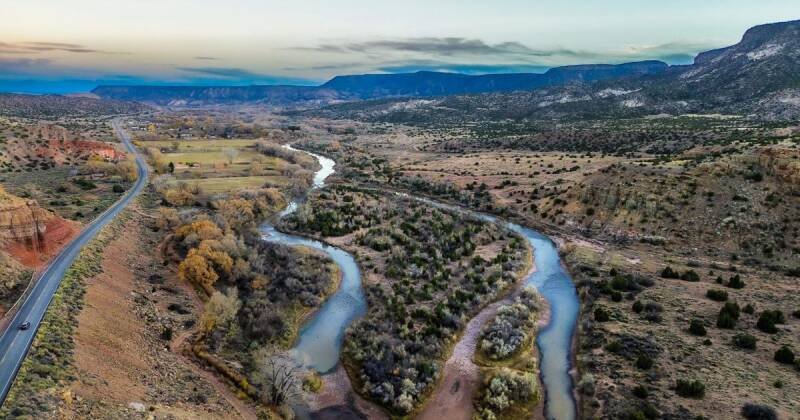
Residents in rural areas surrounding Thunder Bay are facing a heightened risk of flooding as warmer temperatures and anticipated rainfall are creating potentially dangerous conditions. An official flood watch has been issued, urging residents to prepare for possible road closures and property damage. The primary concern is the melting ice combined with incoming rain, which could lead to ice jams and rapid water level increases in local rivers and streams.
The flood watch is a direct result of a confluence of factors. First, we're seeing a significant warming trend after a period of colder weather. This is causing ice and snow to melt at an accelerated rate. Second, the forecast calls for rain, which will further contribute to rising water levels. The combination of melting ice and rainfall presents a significant risk of ice jams. An ice jam is a blockage formed by pieces of ice accumulating in a river or stream, restricting water flow and causing water to back up and flood surrounding areas.
This flood watch isn't just about inconvenience; it's about safety and potential economic disruption. Road closures can isolate communities, making it difficult for residents to access essential services like healthcare, groceries, and emergency assistance. Property damage can be costly, and in severe cases, flooding can pose a direct threat to human life.
Furthermore, this situation highlights the increasing vulnerability of rural communities to extreme weather events. As climate change continues to alter weather patterns, we can expect to see more frequent and intense instances of flooding, storms, and droughts. These events disproportionately impact rural areas, which often lack the infrastructure and resources to effectively cope with such challenges.
In our opinion, the swift response from local authorities in issuing the flood watch is commendable. It's crucial to proactively inform and prepare residents for potential hazards. However, this situation also underscores the need for long-term solutions to mitigate the risks of flooding. This includes investing in infrastructure improvements, such as drainage systems and flood barriers, and developing comprehensive emergency response plans.
Another critical aspect is raising awareness about climate change and its impact on local communities. Individuals, businesses, and governments all have a role to play in reducing greenhouse gas emissions and building a more sustainable future. Failure to address climate change will only exacerbate the frequency and severity of extreme weather events, putting more communities at risk.
The immediate future depends heavily on the amount of rainfall received and the speed of ice melt. Residents should closely monitor weather forecasts and heed any warnings or instructions issued by local authorities. It's advisable to take preventative measures, such as moving valuable belongings to higher ground and securing loose objects that could be swept away by floodwaters.
Looking beyond the immediate threat, it's clear that Thunder Bay and other vulnerable regions need to adapt to a changing climate. This could involve:
This could impact property values as well, as homes and businesses in flood-prone areas become less desirable. Insurance rates are also likely to rise, further burdening residents and businesses. Long-term, a comprehensive and proactive approach is essential to protect communities and ensure their resilience in the face of climate change. The need of improved and updated infrastructure is clear.