Questa Mine Cleanup Paused: What It Means for the Community
Chevron's Questa Mine cleanup is paused, impacting the local community. Understand the implications, why it matters, and the future outlook.
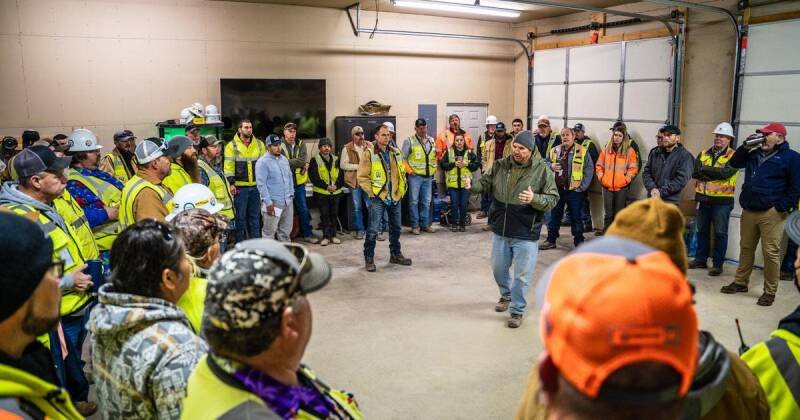



Chevron's Questa Mine cleanup is paused, impacting the local community. Understand the implications, why it matters, and the future outlook.
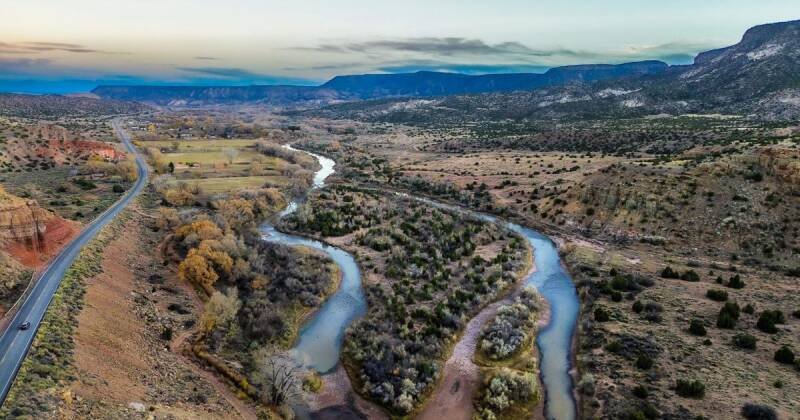
The Chevron Questa Mine, a molybdenum mine that ceased operations in 2014, continues to cast a long shadow over the village of Questa, New Mexico. While the mining itself has stopped, the legacy of nearly a century of activity remains in the form of substantial waste requiring extensive cleanup. A 2017 legal agreement, known as a consent decree, between Chevron and government agencies outlined the responsibilities and timeline for this environmental remediation. However, recent developments have thrown the cleanup progress into uncertainty.
For almost a century, the Questa Mine extracted molybdenum, a metal used to strengthen steel. This mining operation, while economically beneficial for a time, generated large quantities of waste rock and tailings – the leftover materials after the valuable minerals are extracted. These materials can contain heavy metals and other contaminants that, if not properly managed, can pollute the surrounding environment, including soil and water sources. Chevron took ownership of the mine when it acquired Unocal in 2005.
The 2017 consent decree legally bound Chevron to undertake specific cleanup measures, under the oversight of the Environmental Protection Agency (EPA) and other regulatory bodies. The scope of the cleanup is extensive, aiming to mitigate the environmental damage caused by decades of mining activity.
The pause in the cleanup work has significant ramifications for the community of Questa. Firstly, it raises concerns about potential delays in addressing environmental hazards. Any delay could prolong the exposure of local residents and ecosystems to contaminants. Clean water and healthy soil are essential for the well-being of the community, and the cleanup aimed to restore these vital resources.
Secondly, the cleanup project also provided employment opportunities for local residents. A pause in the work directly impacts these jobs and the economic stability of families dependent on them. These impacts might include delays to local improvement projects, reduction of income to local families, and more.
In our opinion, the pause in the Questa Mine cleanup highlights the complexities and challenges associated with large-scale environmental remediation projects. While Chevron is legally obligated to conduct the cleanup, factors such as unexpected technical difficulties, evolving environmental regulations, or disagreements on the best course of action can lead to delays. These are difficult issues and are unlikely to be resolved quickly.
This situation also underscores the importance of robust regulatory oversight and community involvement in environmental remediation projects. Clear communication between Chevron, the EPA, and the community is crucial to ensure that the cleanup progresses effectively and addresses the concerns of local residents. Any lapse of this communication could cause setbacks that delay the final cleanup.
The future of the Questa Mine cleanup remains uncertain. The duration and impact of the pause will depend on the reasons behind it and the steps taken to resolve the issues. It is essential for Chevron to work transparently with regulatory agencies and the community to develop a revised cleanup plan that addresses the root causes of the delay and gets the cleanup back on track.
This situation serves as a reminder of the long-term environmental and social consequences of mining activities. It also emphasizes the importance of proactive environmental management and responsible corporate citizenship to prevent similar situations from arising in the future. We believe that proper future planning and proactive management can help minimize the risks of future delays and environmental damage.
This could impact future business relationships for Chevron, since they have a large incentive to restore trust in the community. Further action by the community could include more aggressive local government intervention, or action at the State or even Federal level.