Arizona Republicans Seek Colorado River Solutions: What it Means for the West
Arizona Republicans met with the Trump Administration to discuss emergency measures for the Colorado River crisis. Learn what this means for water conservation and the future of the West.
Arizona Republicans Push for Colorado River Action: A Deep Dive
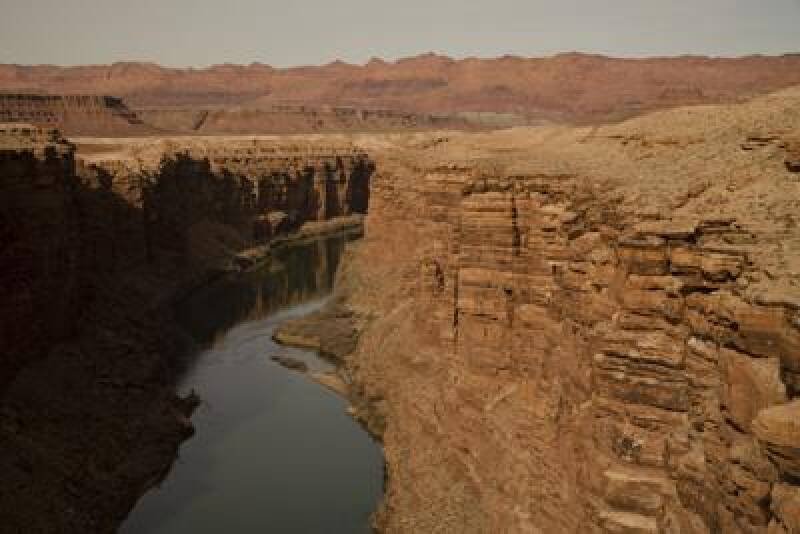
Arizona's Republican leadership has engaged with the Trump Administration to propose emergency measures aimed at addressing the deepening crisis surrounding the Colorado River. With reservoirs like Lake Mead and Lake Powell reaching alarmingly low levels due to prolonged drought, the stakes are incredibly high for the entire Western region. Let's break down what happened and why it matters.
The Proposal: Water Releases and Conservation Funding
The core of the Republican proposal revolves around two key strategies:
* **Strategic Water Releases:** Releasing water from upstream reservoirs could provide a temporary boost to critically low areas. The exact details of which reservoirs and how much water remains to be seen, and would no doubt spark debate among the states that rely on the Colorado River.
* **Increased Conservation Funding:** Investing in water conservation initiatives throughout the Colorado River Basin is crucial for long-term sustainability. This includes funding for more efficient irrigation techniques, infrastructure improvements to reduce water loss, and programs to encourage residential water conservation.
The Colorado River Crisis: A Quick Background
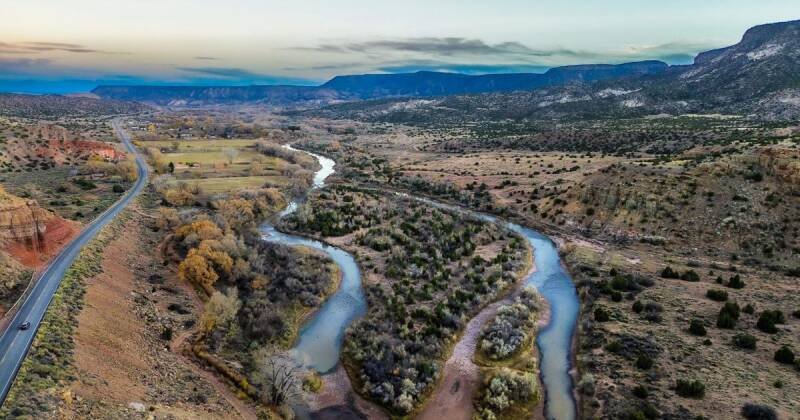
The Colorado River is a lifeline for seven states: Arizona, California, Colorado, Nevada, New Mexico, Utah, and Wyoming. It provides water for agriculture, municipal use, and power generation. Decades of overuse, coupled with a changing climate and prolonged drought, have pushed the system to its breaking point.
Why This News Matters
The Colorado River crisis isn't just a regional issue; it has national and even global implications. A reliable water supply is essential for food production, economic stability, and overall quality of life. The potential for water shortages can lead to:
* **Increased Food Prices:** Reduced agricultural output due to water scarcity will likely translate to higher prices at the grocery store.
* **Economic Disruption:** Industries reliant on water, such as agriculture, tourism, and manufacturing, could face significant challenges.
* **Social Unrest:** Competition for dwindling water resources could escalate tensions between states and communities.
* **Ecosystem Damage:** Lower river flows threaten aquatic habitats and biodiversity.
Our Analysis
In our opinion, this move by Arizona Republicans to actively engage with the Trump Administration signals a growing sense of urgency regarding the Colorado River crisis. While the specific details of their proposal are yet to be fully fleshed out, the focus on both short-term relief through water releases and long-term sustainability through conservation funding is a positive sign.
However, it's crucial to acknowledge that these measures are likely to be just a starting point. Resolving the Colorado River crisis will require:
* **Collaboration and Compromise:** All seven basin states must be willing to make difficult choices and cooperate to find solutions that benefit the entire region.
* **Innovation and Technology:** Investing in new technologies, such as desalination and water recycling, can help augment water supplies.
* **Policy Changes:** Re-evaluating existing water rights and regulations is essential to ensure a more equitable and sustainable distribution of water.
This could impact future relations among the Colorado River basin states, and the success of any plan will depend on the willingness of all parties to come to the table with flexibility and a commitment to finding common ground.
Future Outlook
The future of the Colorado River remains uncertain. While the Arizona Republican proposal offers a glimmer of hope, many challenges lie ahead. The long-term effects of climate change, continued population growth in the Southwest, and the complexities of water law all contribute to the complexity of the situation.
Moving forward, it is critical that:
* **Scientific Data Drives Decision-Making:** Relying on the best available scientific data to inform water management decisions is paramount.
* **Stakeholder Engagement is Prioritized:** Involving all stakeholders, including farmers, businesses, environmental groups, and tribal communities, in the decision-making process is essential.
* **Long-Term Planning is Emphasized:** Developing a comprehensive long-term plan for managing the Colorado River is crucial for ensuring the region's water security.
In conclusion, the Arizona Republicans' engagement with the Trump Administration on the Colorado River is a significant development, but it represents only one step in a long and challenging journey towards a sustainable water future for the West. Only through sustained effort, collaboration, and innovation can we hope to secure the future of this vital resource.