Ukraine's Robot Warfare: Gamification and the Future of Combat
Discover how Ukraine is using robots, gamification, and e-points to revolutionize warfare. Explore the implications for the future of combat and military strategy.



Discover how Ukraine is using robots, gamification, and e-points to revolutionize warfare. Explore the implications for the future of combat and military strategy.
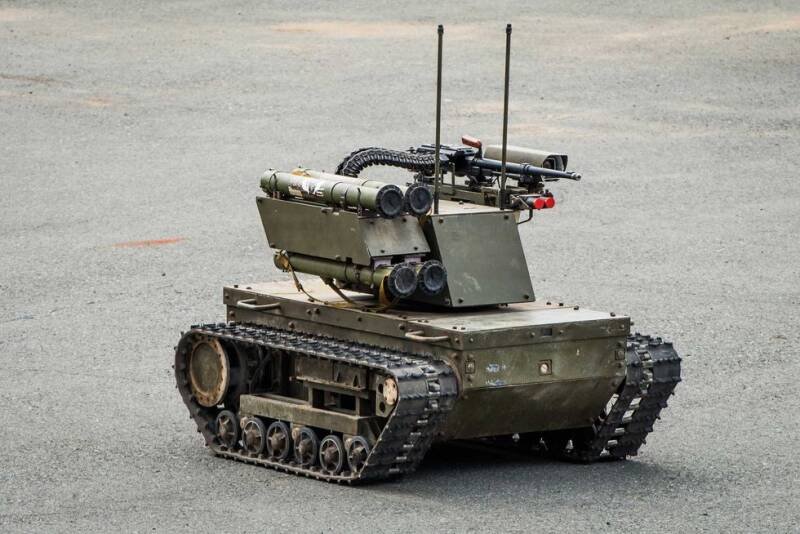
In an innovative approach to modern warfare, Ukraine is leveraging robots and a gamified incentive system to enhance its defense capabilities. This strategy, highlighted by the increasing use of Unmanned Ground Vehicles (UGVs), offers a glimpse into the future of combat and raises important questions about the role of humans and machines on the battlefield.
In April 2026, Ukraine's Ministry of Defense reported that ground robots had completed over 9,000 frontline missions in the preceding month. This figure, a significant increase from previous months, underscores the growing reliance on robotic systems. By the first quarter of 2026, nearly 24,500 missions were completed using 167 UGVs, a substantial leap from 67 units in November of the previous year. This rapid adoption is a testament to the effectiveness and necessity of these technologies in the current conflict.
A key component of Ukraine's strategy is the "e-points" system. Soldiers who successfully complete verified missions using robots earn these points through a digital platform. These points can then be exchanged for additional equipment via an online marketplace, with orders reaching frontline units in approximately 10 days. This system, in its structure, closely resembles a loyalty program, incentivizing soldiers to utilize robots for dangerous tasks. In our opinion, this novel approach is a clever way to boost morale and encourage the use of cutting-edge tech.
Unlike Western robotics programs that prioritize conservation and repair, Ukraine's UGVs are designed to be expendable. Facing mass artillery and constant drone surveillance, these robots are produced in large quantities, iterated rapidly, and replaced like ammunition. This "substitution principle" aims to remove human soldiers from the most dangerous tasks, such as ammunition resupply, casualty evacuation, and direct combat. The Ministry argues that each of those 9,000 missions represents one less soldier exposed to mortal danger. This is a paradigm shift in how robotic assets are viewed and deployed.
The Ukrainian approach to robotic warfare is important because it is becoming a model for other nations. It demonstrates a practical, scalable solution to manpower constraints and dangerous battlefield situations. The system offers a way of governing through metrics and incentives and interfaces, that treats war as a system to be optimized. This is an adaptable approach that is applicable to a wide range of situations.
Ukraine's innovative use of UGVs and the e-points system has several implications:
However, potential downsides exist. There are ethical considerations about the level of autonomy given to these robots, and the potential for errors or unintended consequences. Additionally, the reliance on metrics could lead to soldiers prioritizing point accumulation over strategic objectives - a challenge Ukraine is trying to address by awarding points for life-saving missions.
Ukraine's robotic warfare model is gaining international attention. NATO's UNITE initiative aims to scale battlefield innovations, including unmanned ground systems, among its members. Other militaries may adopt similar approaches, adapting them to their specific needs and circumstances. The future of warfare may increasingly involve networked systems, data-driven decision-making, and the integration of humans and machines on the battlefield. This could impact the strategies and resources allocated by militaries around the world.
The Ukrainian government is aware of the potential pitfalls of relying too heavily on metrics. Goodhart's Law suggests that when a measure becomes a target, it ceases to be a good measure. To counteract this, the e-points system assigns points for evacuation missions and other life-saving work. It remains to be seen whether this approach effectively reshapes behavior or simply exists alongside existing practices. This needs continuous monitoring and adjustment.
The increasing use of robots in warfare raises fundamental questions about the nature of conflict. As machines take on more dangerous tasks, the role of human soldiers may evolve. The focus may shift towards remote operation, data analysis, and strategic decision-making. This could lead to changes in military training, organization, and doctrine. In our opinion, the integration of AI and automation will only accelerate these trends.