Pope's Angola Visit: Atonement at a Shrine of Slavery
Pope Francis prays at Mama Muxima shrine in Angola, a former hub of the slave trade. Our analysis of the significance and future implications of this visit.
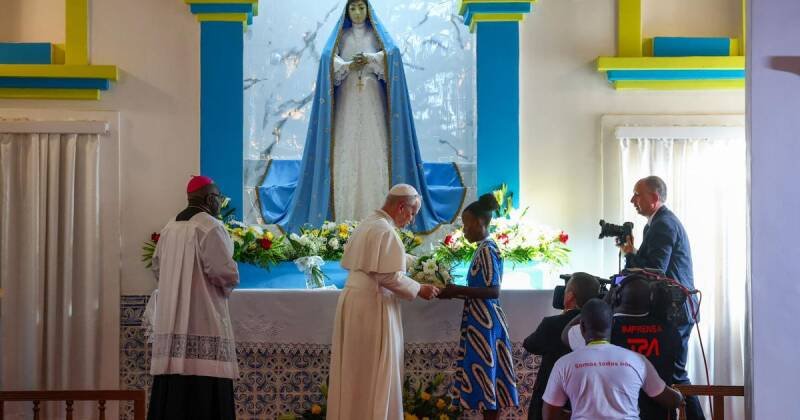



Pope Francis prays at Mama Muxima shrine in Angola, a former hub of the slave trade. Our analysis of the significance and future implications of this visit.
Pope Francis recently concluded a significant visit to Angola, a nation still grappling with the legacies of colonialism and the brutal history of the transatlantic slave trade. A key moment of his trip was his prayer at the Sanctuary of Mama Muxima, a revered Catholic shrine. This location, deeply embedded in Angola's history, also served as a heartbreaking hub for the forced transportation of countless Africans into slavery.
The Sanctuary of Mama Muxima ("Heart of the Mother" in Kimbundu, a local language) holds immense spiritual significance for Angolan Catholics. Originally built centuries ago, it has become a major pilgrimage site. However, its location also connects it to a dark chapter: the area was a central point in the slave trade, where people were captured, held, and then shipped across the Atlantic. This duality – a place of faith intertwined with a history of immense suffering – made Pope Francis's visit particularly powerful.
During his visit, Pope Francis led the Rosary prayer, a practice of devotion to Mary, the mother of Jesus. This act of prayer at Mama Muxima symbolizes, in our opinion, a call for healing and reconciliation, recognizing the deep wounds inflicted by the slave trade on Angolan society.
This papal visit is significant for several reasons:
Pope Francis's papacy has been marked by a consistent emphasis on social justice and a willingness to confront difficult historical truths. His visit to Angola and prayer at Mama Muxima are consistent with this approach. In our opinion, this was a carefully considered gesture, designed to resonate deeply with the Angolan people and the broader African diaspora. The choice of Mama Muxima as a site for prayer underscores the importance of remembering history, confronting injustice, and seeking reconciliation.
The visit also has broader implications for the Catholic Church's relationship with Africa. The continent has experienced a surge in Catholic adherents in recent decades. Acknowledging the past and addressing contemporary challenges is crucial for the Church to maintain its relevance and moral authority in the region.
The impact of Pope Francis's visit will likely unfold over time. This could impact:
Ultimately, the success of this visit will depend on the extent to which it translates into concrete actions that promote justice, equality, and healing. While symbolic gestures are important, sustained efforts are needed to address the deep-seated challenges facing Angola and other nations grappling with the legacies of colonialism and slavery.