Glenn Beck Mocks Kathy Hochul's Plea to Wealthy New Yorkers: A Deep Dive
Glenn Beck slams New York Governor Kathy Hochul's desperate attempt to lure wealthy residents back to the state. We analyze the situation and its potential impact.



Glenn Beck slams New York Governor Kathy Hochul's desperate attempt to lure wealthy residents back to the state. We analyze the situation and its potential impact.
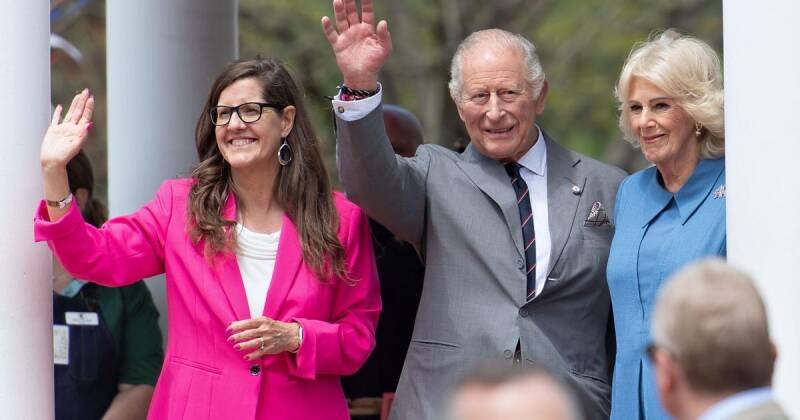
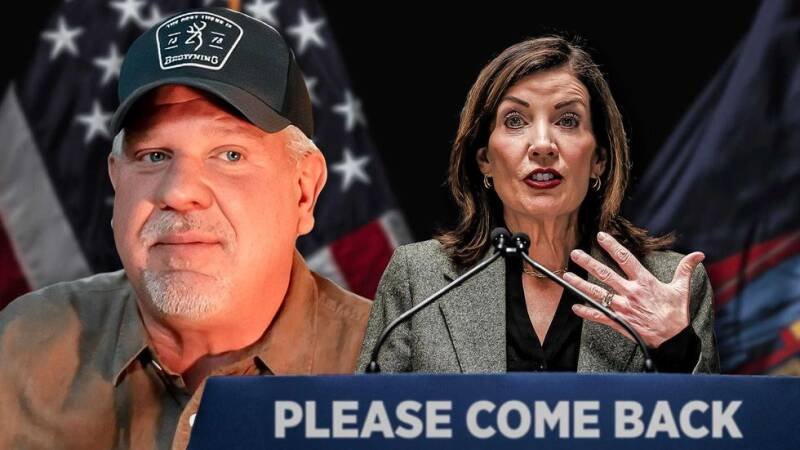
New York Governor Kathy Hochul is facing a challenge: a shrinking tax base as wealthy residents leave the state. During a recent Politico New York event, she openly appealed to high-net-worth individuals to return and support New York's social programs. This has sparked strong reactions, including mockery from conservative commentator Glenn Beck.
Hochul's statement highlights the state's reliance on its wealthiest residents to fund its extensive social safety net. She encouraged patriotic millionaires to "cut me the checks" and urged others to convince former New Yorkers in places like Palm Beach to return. In essence, she acknowledged the state's financial vulnerability due to the outflow of wealthy taxpayers.
Glenn Beck didn't hold back in his criticism. He ridiculed Hochul's approach, portraying it as treating the wealthy as mere "cash cows." He recounted his own experience where he opted not to move to Idaho permanently, because he didn't want to be seen as a tax resource.
Beck pointed out the high tax burden in New York City, where residents already face significant local, state, and federal taxes, leaving them with a smaller percentage of their income. He sarcastically questioned why anyone would choose to live under such conditions when they could pay significantly less, or even no state income tax, in states like Florida, Texas, or Tennessee.
This situation highlights the complex relationship between taxation, social programs, and the mobility of wealth. New York's high tax environment, while designed to fund important social services, may be incentivizing wealthy individuals to relocate, potentially creating a vicious cycle of declining tax revenue and further financial strain on the state.
The consequences extend beyond just state finances. A shrinking tax base can lead to cuts in essential services, reduced investment in infrastructure, and a decline in the overall quality of life for all residents. This exodus also impacts local economies and real estate markets.
In our opinion, Governor Hochul's approach, while perhaps born out of genuine concern for the state's financial well-being, is unlikely to be effective. Simply pleading with wealthy individuals to return is not a sustainable strategy. High-net-worth individuals are driven by a multitude of factors, including taxes, quality of life, business opportunities, and personal preferences.
Hochul's administration's proposal to implement an annual tax surcharge on luxury second homes in New York City valued at $5 million or more could backfire. While it aims to make ultra-wealthy non-residents contribute to city services, it could further incentivize them to simply sell their properties and invest elsewhere. This could impact the luxury real estate market and generate less revenue than anticipated.
The future of New York's tax base remains uncertain. The state needs to address the underlying factors driving the exodus of wealthy residents. This could involve exploring alternative revenue streams, reassessing its tax structure, and improving the overall business climate to attract and retain high-earning individuals and companies.
This could impact the broader political landscape as well. If New York continues to struggle financially, it could fuel further political polarization and create challenges for the Democratic Party, which traditionally relies on the state for support. Other high tax states, such as California and Illinois, may be next in line to face similar challenges.
It is worth watching how this situation unfolds in the coming years. The choices made by the Hochul administration will have long-lasting consequences for the state's economy, social programs, and overall future.