Aphroconfuso: Challenging Maltese Literary Norms and Redefining Identity
Discover how Aphroconfuso is revolutionizing Maltese literature, challenging norms, and fostering a more inclusive and experimental literary landscape. Explore their impact on language, identity, and the future of Maltese writing.
Aphroconfuso: Challenging Maltese Literary Norms and Redefining Identity
Aphroconfuso: Challenging Maltese Literary Norms and Redefining Identity
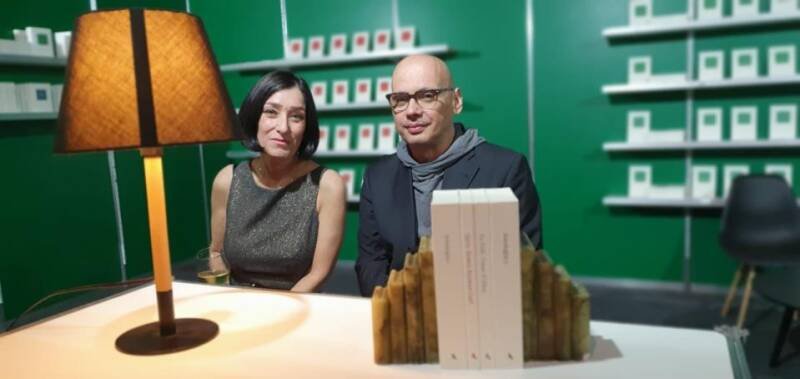
Aphroconfuso, a Maltese-language literary journal, is shaking up the literary scene in Malta. Founded by Loranne Vella and Joe Gatt, it's not just about publishing content; it's about fundamentally changing how literature is written, read, and understood on the island.
A Response to a Literary Void
Launched in May 2023, Aphroconfuso quickly became a unique voice in Malta's cultural landscape. The founders felt that the existing literary scene was limited, not just in the amount of content published, but also in the *types* of writing considered valuable. They felt that essays, diaries, experimental writing, and literary non-fiction were being unfairly sidelined in favor of fiction and poetry.
Vella explained that traditional publishing houses often prioritize works with broader appeal and higher sales potential, which can lead to more experimental writing being overlooked.
Creating an Alternative Model
Instead of trying to reform the existing publishing structures, Aphroconfuso created an alternative model. The journal was designed as a space where diverse forms of writing could thrive, free from market constraints. They prioritized sustainability by choosing an online format, focusing on consistency and longevity rather than immediate scale.
The digital format allows for flexibility, enabling the journal to evolve organically and build a growing archive of accessible work. Everything is free, and much of it includes audio versions, breaking down barriers to access.
Accessibility and Inclusivity
Accessibility is a core value for Aphroconfuso. They want to remove as many barriers as possible, recognizing that literature can often feel inaccessible even when it technically isn't. By making everything available online for free, they are actively working to change that perception. Aphroconfuso isn't a passive platform, but takes an active editorial role, guiding both the selection and development of content.
Gatt emphasized that the editorial direction is both aesthetic and political, engaging with broader social and cultural issues, especially those related to identity, marginalization, and power.
Building a Literary Community
Aphroconfuso fosters a literary community. Unlike traditional publishing models, they emphasize long-term collaboration with writers. They work with contributors from the very beginning, developing ideas together over months or even years. The editorial process focuses on helping writers articulate their own perspectives more clearly, enabling their voice instead of controlling it.
Despite this focus on individuality, a distinct "Aphroconfuso style" has emerged organically through interaction and shared environment. This collective voice evolves through dialogue.
Language and Identity
Language is crucial. Aphroconfuso explores themes and ideas not traditionally expressed in Maltese, which requires adapting vocabulary and creating new expressions. This collaborative process involves writers, editors, and readers willing to engage with unfamiliar forms of language and meaning.
The name "Aphroconfuso," derived from a 16th-century description of the Maltese people, is intentionally provocative. It confronts uncomfortable aspects of Malta's past and challenges assumptions about identity, drawing attention to the island's Mediterranean context.
Aphroconfuso seeks to move beyond the dominance of English in intellectual and literary engagement, bringing ideas into Maltese to make them part of their own way of thinking. Translation is a key tool, not just converting text but internalizing ideas.
The journal welcomes new possibilities for Maltese as more foreign residents learn and use the language, aiming to create a space where Maltese can serve as a shared medium for diverse experiences.
Thematic Focus and Inclusivity
Aphroconfuso prioritizes feminist, queer, and marginalized narratives, addressing areas historically underrepresented in Maltese literature. They challenge the perception that such work appeals only to a limited audience, believing that writing creates readers.
Accessibility doesn't mean simplification; maintaining high standards is essential while still respecting and including audiences.
Sustainability and Future Plans
Registered as a non-profit, Aphroconfuso aims for long-term sustainability. They plan to document their editorial processes in detail, creating a manual for future editors and contributors. Workshops will train new editors and expand their network, ensuring the project continues independently of its founders.
Having already collaborated with diverse contributors, Aphroconfuso remains committed to creating a space where Maltese literature can evolve in new and unexpected ways.
Why This News Matters
Aphroconfuso's efforts are significant because they are actively democratizing Maltese literature. They are providing a platform for voices that have historically been excluded and fostering a more inclusive and representative cultural landscape. This is particularly important in a small island nation like Malta, where cultural norms can be deeply entrenched.
Impact on Maltese Culture
This initiative could impact the future of Maltese identity, helping to redefine it in a more inclusive and progressive way. By challenging traditional literary norms, Aphroconfuso is encouraging a more open and critical dialogue about Maltese society and its place in the world.
Our Analysis
In our opinion, Aphroconfuso's innovative approach is exactly what Maltese literature needs. Their commitment to accessibility, inclusivity, and collaboration sets them apart from traditional publishing models. By focusing on sustainability and building a strong community, they are laying the foundation for a lasting impact on Maltese culture.
Strengths and Potential Weaknesses
- Strengths: Strong vision, commitment to inclusivity, sustainable online model, focus on collaboration.
- Potential Weaknesses: Dependence on volunteer efforts, limited funding, potential for niche appeal.
Future Outlook
The future of Aphroconfuso looks promising. Their plans to document their editorial processes and train new editors will help to ensure the long-term sustainability of the project. As they continue to grow their network of contributors and expand their reach, they have the potential to become a major force in shaping the future of Maltese literature.
Challenges and Opportunities
The biggest challenge will be securing funding to support their activities. However, their innovative approach and commitment to social impact should make them attractive to potential donors. The growing interest in Maltese culture and language also presents a significant opportunity for Aphroconfuso to expand its audience and influence.