20 Ugandan Women Deported from Nepal: Understanding the Implications
20 Ugandan women arrested in Thamel, Kathmandu for soliciting have been deported. This article analyzes the situation, its implications, and future outlook for sex work and immigration in Nepal.
20 Ugandan Women Deported from Nepal: A Closer Look
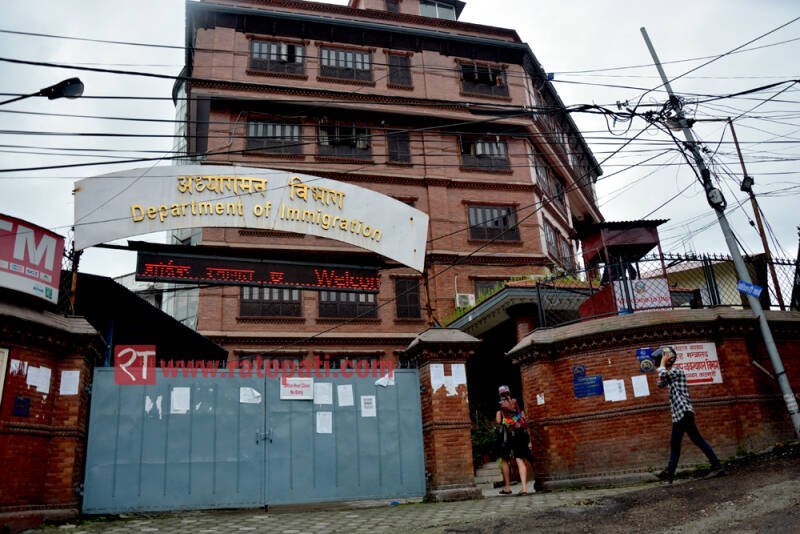
Twenty Ugandan women who were arrested in Thamel, a popular tourist district in Kathmandu, have been deported from Nepal. The arrests took place on March 24th near Fire Chowk, and followed an investigation into allegations of public solicitation.
According to reports, the women were detained after police found them engaging in activities such as stopping men on the streets and negotiating for sexual services. Initially, the investigation focused on potential charges of public misconduct. The women have now been deported.
What Happened? A Summary
- Arrest: Twenty Ugandan women were arrested in Thamel on March 24th.
- Allegations: They were accused of soliciting men for sexual services.
- Investigation: Police investigated them for public misconduct.
- Deportation: All twenty women have been deported from Nepal.
Why This News Matters
This incident highlights several important issues facing Nepal. It brings to light the complex intersection of tourism, immigration, and sex work. It also raises questions about law enforcement's approach to these issues, and the potential for human trafficking or exploitation. While public misconduct laws are in place, cases like this sometimes mask a bigger picture.
Furthermore, the deportation of these women emphasizes the vulnerability of migrants who may be engaging in sex work due to economic hardship or coercion. Understanding the root causes behind migration and the circumstances that lead to such situations is crucial for developing effective solutions.
Our Analysis
In our opinion, this situation underscores the need for a more nuanced approach to sex work and immigration in Nepal. While upholding the law is essential, it's also crucial to consider the potential for exploitation and human trafficking. Are these women victims of circumstance, or willing participants? This is a critical distinction often lost in such cases.
The focus on "public misconduct" may be a simplistic explanation for a more complicated problem. It's possible that these women were driven to this line of work due to poverty, lack of opportunities in their home country, or even coercion by organized crime groups. A thorough investigation should consider these factors.
This also highlights the potential for human trafficking. Were these women brought to Nepal under false pretenses? Are they being controlled by others? These are serious questions that must be addressed. We believe that authorities should prioritize investigating potential trafficking links in such cases.
Future Outlook
This incident could impact Nepal's tourism industry, particularly in areas like Thamel. Increased law enforcement activity could deter both tourists and individuals involved in sex work. More importantly, it could force sex work further underground, making it more difficult to monitor and potentially increasing the risk of exploitation.
Moving forward, Nepal needs to develop comprehensive strategies for managing immigration, combating human trafficking, and addressing the issue of sex work in a humane and effective manner. This includes:
- Strengthening border controls: To prevent human trafficking and illegal immigration.
- Improving law enforcement training: To identify and assist victims of trafficking.
- Providing support services: For migrants and sex workers, including counseling, job training, and legal assistance.
- Raising awareness: About the risks of human trafficking and the importance of ethical tourism.
In the long term, addressing the root causes of migration – poverty, lack of opportunity, and social inequality – is essential for preventing similar situations from occurring in the future. Nepal, with international support, needs to focus on sustainable development and creating economic opportunities for its own citizens, as well as providing a safe and regulated environment for migrant workers. Only through a comprehensive and compassionate approach can Nepal effectively address the complex challenges posed by immigration, sex work, and human trafficking.