Swansea Bendy Bus Fiasco: Where Are They Now? A Retrospective
A deep dive into the ill-fated bendy bus scheme in Swansea, exploring its history, impact, and the final resting place of these controversial vehicles.



A deep dive into the ill-fated bendy bus scheme in Swansea, exploring its history, impact, and the final resting place of these controversial vehicles.
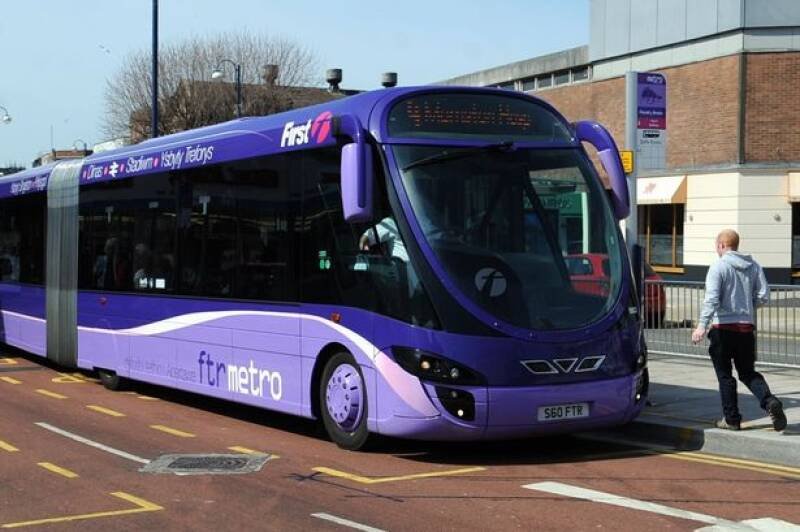
Seventeen years ago, Swansea embarked on a transport experiment that quickly became a local legend – for all the wrong reasons. The arrival of the "bendy buses," officially known as articulated buses, was met with skepticism, and those concerns soon morphed into widespread disapproval. This article revisits this failed scheme, examining its origins, the chaos it unleashed, and, most importantly, uncovering the final destination of these purple-hued behemoths.
The bendy bus scheme was intended to modernize Swansea's public transportation and increase capacity. However, their sheer size proved problematic from the start. The buses struggled to navigate the city's narrow streets and tight corners, leading to traffic congestion and frustrated drivers. Pedestrians also faced increased risks due to the buses' length and limited maneuverability. The result was a transport system that was neither efficient nor safe.
The vibrant purple color, intended to be eye-catching, only served to make the buses more conspicuous and fuel the public's discontent. They became a symbol of perceived misplanning and wasteful spending. Many residents felt the money could have been better spent on other improvements to the city's infrastructure.
After years of service, the bendy buses were quietly retired from Swansea's streets. But what became of them? The mystery of their final destination has long been a point of local curiosity. We've discovered that many of these vehicles were sold off to other operators or scrapped altogether. Some ended up serving in different parts of the UK or even abroad, given a new lease of life in environments more suited to their size and turning radius. It's a far cry from their intended purpose in Swansea.
The story of Swansea's bendy buses is more than just a quirky local anecdote. It serves as a cautionary tale about the importance of careful planning, community engagement, and realistic assessments when implementing large-scale public infrastructure projects. The failure of the scheme highlights the potential consequences of ignoring local conditions and rushing into solutions without adequate consideration.
In our opinion, the bendy bus scheme was a prime example of a well-intentioned idea that was poorly executed. The lack of proper infrastructure and the failure to adequately assess the city's road network doomed the project from the start. The local council's decision to proceed despite these challenges raises questions about their decision-making process and their responsiveness to public concerns.
Beyond the inconvenience and frustration caused to residents, the bendy bus scheme also represented a significant financial loss for the city. The initial investment in the buses, combined with the ongoing maintenance costs and eventual disposal, amounted to a substantial sum of public money. This could have been used to improve other areas of the city's transport infrastructure.
The lessons learned from the bendy bus fiasco should inform future transport initiatives in Swansea and other cities. It emphasizes the need for thorough feasibility studies, community consultation, and flexible planning that can adapt to unforeseen challenges. The city now has a better bus network and is currently in the planning stages of a complete transport overhaul.
This could impact future transport projects in Swansea. It's likely that any new plans will be subject to intense public scrutiny and careful evaluation to avoid repeating the mistakes of the past. In the long run, this could lead to more sustainable and effective transport solutions that better serve the needs of the community.