Political Violence, Blame Games, and the White House Threat: An Analysis
A man was arrested near the White House Correspondents' Dinner, raising questions about political violence and the response. We analyze the implications and future outlook.
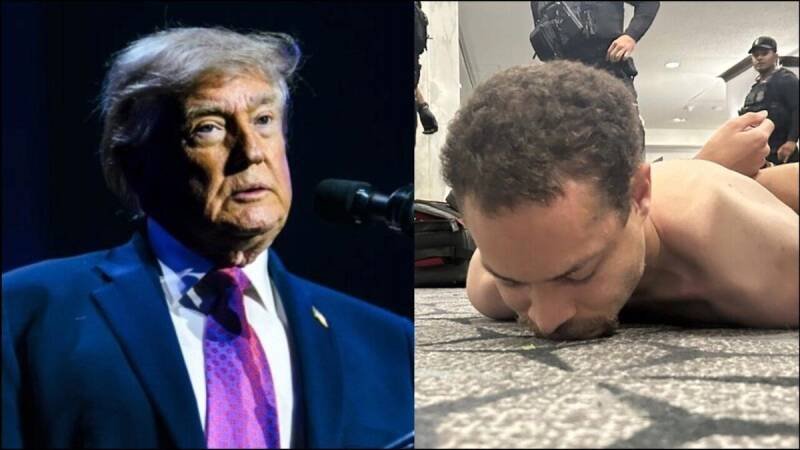



A man was arrested near the White House Correspondents' Dinner, raising questions about political violence and the response. We analyze the implications and future outlook.
Recent events have once again thrust the issue of political violence into the spotlight. A heavily armed man from California was apprehended near the White House Correspondents' Dinner on Saturday, reportedly with intentions to harm the President. This incident, reminiscent of past attempts on political figures, highlights the ever-present threat and the increasingly polarized environment in which these threats germinate.
While details are still emerging, it's confirmed that the individual was carrying significant weaponry. The immediate response from law enforcement prevented a potentially catastrophic situation. The motivations behind the individual's actions are currently under investigation, but the incident has already sparked a familiar cycle of finger-pointing and blame.
This incident goes beyond a single arrest. It underscores several critical concerns:
In our opinion, the immediate aftermath of such incidents is often characterized by a counterproductive blame game. Instead of focusing on the root causes of political violence, different sides tend to point fingers at each other, further exacerbating existing divisions.
The tendency to immediately attribute such acts to the opposing political party or ideology is not only simplistic but also harmful. While it's crucial to condemn extremism in all its forms, attributing individual actions to entire political movements risks demonizing large segments of the population and further fueling polarization.
Furthermore, focusing solely on the "blame" distracts from the necessary conversations about mental health, access to firearms, and the role of social media in spreading extremist ideologies. These are complex issues that require nuanced solutions, not partisan bickering.
It's crucial to acknowledge that the language used by political leaders and media figures can have a tangible impact on the political climate. While free speech is a fundamental right, it comes with a responsibility to avoid inciting violence or demonizing opponents. When political discourse becomes excessively heated and personal, it can create an environment where extreme ideas are normalized and individuals feel emboldened to act on them.
The future trajectory of political violence in the United States is difficult to predict, but several factors suggest that it will remain a significant concern:
This could impact future security measures, public discourse, and overall societal stability. There needs to be a fundamental shift in how we approach political discourse. It starts with individuals taking responsibility for their words and actions, and also requires robust efforts to address the root causes of political extremism.
Ultimately, addressing the issue of political violence requires a comprehensive approach that tackles the underlying factors that contribute to it. This includes promoting civil discourse, addressing mental health issues, and preventing the spread of extremist ideologies online. Without a concerted effort to address these challenges, the threat of political violence will continue to loom large over American society.