Unexpected Death During Exercise: Understanding the Risks and Taking Precautions
A seemingly healthy man dies after a routine run. We explore the potential causes, preventative measures, and what this means for athletes and everyday exercisers.



A seemingly healthy man dies after a routine run. We explore the potential causes, preventative measures, and what this means for athletes and everyday exercisers.
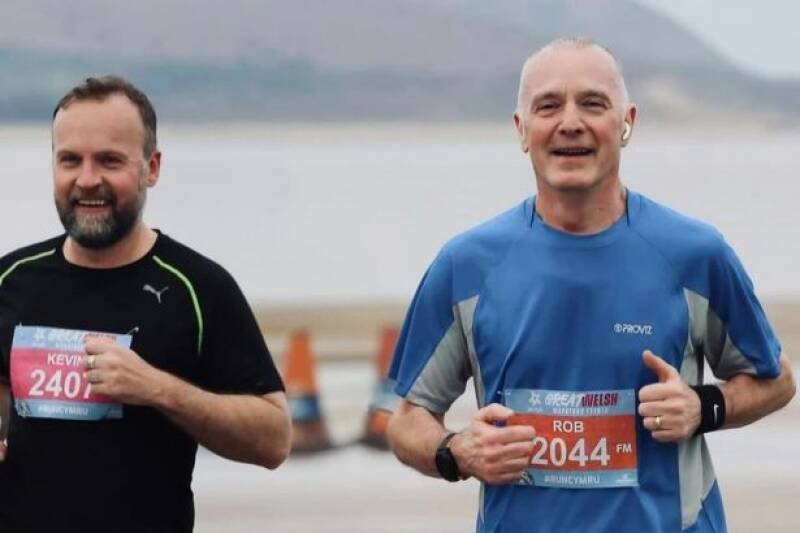
The tragic death of Rob, a seemingly fit and healthy man who collapsed during a routine 10-mile run, serves as a stark reminder that even those dedicated to physical fitness can be vulnerable to sudden cardiac events. His brother, Kevin, shared the heartbreaking story, highlighting the shock and disbelief that often accompany such incidents.
Rob's passing is a devastating example of sudden cardiac arrest (SCA) occurring during exercise. While the exact cause is still likely under investigation, it brings to the forefront the importance of understanding potential underlying health conditions and taking preventative measures.
This isn't just a personal tragedy; it's a public health concern. SCA, especially in young and active individuals, is relatively rare, but the impact is profound. It underscores the need for greater awareness, improved screening practices, and proactive measures to identify and manage potential risk factors.
This case highlights the fact that visible fitness doesn't always equate to internal health. It's easy to assume someone who exercises regularly is immune to heart problems, but that's a dangerous misconception.
Several factors could contribute to SCA during exercise. These often include underlying, undiagnosed heart conditions such as:
In our opinion, the lack of routine, comprehensive cardiac screening for athletes and even regular exercisers is a significant gap in preventative healthcare. While widespread screening has costs and potential drawbacks (false positives, anxiety), a more targeted approach based on risk factors could save lives.
Furthermore, ignoring warning signs such as chest pain, shortness of breath, dizziness, or palpitations during exercise can be fatal. These symptoms should always be evaluated by a medical professional.
The future of preventing SCA during exercise likely involves a multi-pronged approach:
While SCA can be unpredictable, there are steps individuals can take to mitigate their risk:
This could impact athletic programs that could require more frequent health checks for participants.
It's important to remember that Rob's story, while tragic, can serve as a catalyst for positive change. By raising awareness and promoting proactive measures, we can hopefully prevent similar tragedies from occurring in the future. Every workout should be a celebration of health, not a gamble with life.