Rare Manuscripts Digitized in Bihar: Preserving India's Heritage
Discover how the Gyan Bharatam mission is preserving India's cultural heritage by digitizing 18 rare manuscripts found in a Bihar temple. Learn why this matters and its future implications.
Rare Manuscripts Digitized in Bihar: Preserving India's Heritage
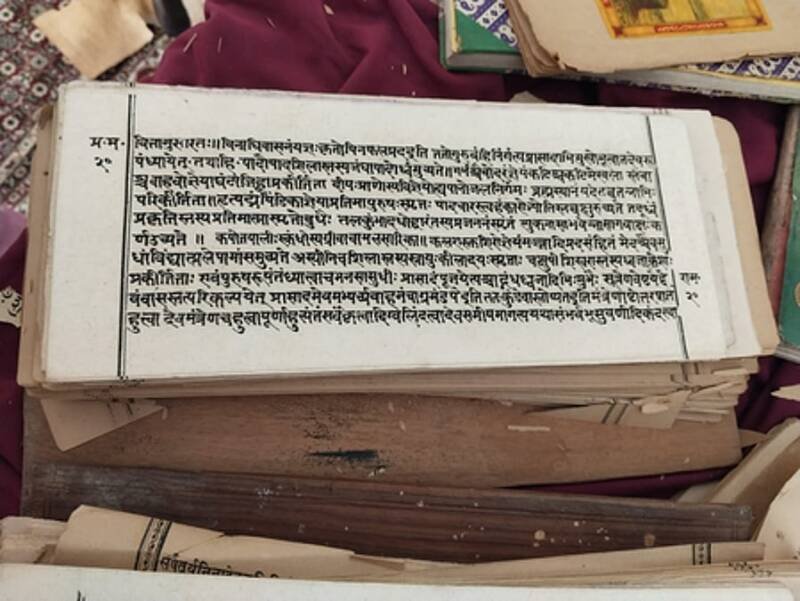
In a significant victory for cultural preservation, 18 rare manuscripts discovered in a temple in Bihar's Nawada district have been successfully digitized under the Gyan Bharatam mission. This initiative aims to safeguard India's rich historical and philosophical heritage by converting fragile ancient texts into accessible digital formats.
The Discovery
These manuscripts were recovered from a temple in Nawada, Bihar. While the exact nature of the temple and the circumstances of the manuscripts' discovery remain somewhat shrouded in mystery based on the initial reports, the importance of their contents is undeniable. The texts are believed to contain valuable insights into Hindu philosophy, rituals, and possibly other subjects relevant to the region's history and cultural identity.
Gyan Bharatam Mission: A National Endeavor
The Gyan Bharatam mission is a crucial program focused on identifying, documenting, and digitizing rare manuscripts scattered across India. These manuscripts, often stored in temples, monasteries, and private collections, are vulnerable to decay, damage, and even loss due to neglect or lack of awareness. By digitizing them, the mission ensures their long-term preservation and makes them available to scholars, researchers, and the general public worldwide.
Why This News Matters
The digitization of these 18 manuscripts is more than just a technical achievement; it's a vital step in preserving India's cultural and intellectual legacy. These texts could potentially unlock new understandings of ancient Hindu traditions, social structures, and scientific advancements. Consider it like finding lost pieces of a puzzle that help us see the big picture of history.
Moreover, making these manuscripts accessible online promotes knowledge sharing and encourages further research. Scholars from around the globe can now access and study these texts, fostering a deeper understanding of Indian history and philosophy.
Our Analysis
In our opinion, the Gyan Bharatam mission deserves widespread support and recognition. The sheer volume of untapped knowledge hidden within India's ancient manuscripts is immense. Resources need to be allocated to expand the mission's scope and reach, ensuring that even more of these precious documents are preserved for future generations.
The fact that these manuscripts were found in a temple highlights the crucial role that religious institutions can play in preserving cultural heritage. Partnerships between government agencies, academic institutions, and religious organizations are essential for the success of such initiatives. We believe that community involvement will be key to uncovering even more hidden treasures.
Future Outlook
The successful digitization of these 18 manuscripts could spur further discoveries and preservation efforts in Bihar and other regions of India. This could impact tourism as interest in Hindu culture and manuscripts grows.
Looking ahead, the focus should be on:
- Expanding the Gyan Bharatam mission to cover more regions and institutions.
- Developing advanced technologies for manuscript preservation and digitization.
- Training skilled professionals in manuscript conservation and digital archiving.
- Creating user-friendly online platforms for accessing digitized manuscripts.
The potential benefits are enormous. Preserving and sharing India's intellectual heritage can contribute to a deeper understanding of our shared human history and inspire future generations to value and protect our cultural treasures.
The Importance of Digital Archiving
Digital archiving isn't simply about taking a picture of an old document. It's about carefully capturing every detail, creating metadata (information about the document, like its origin and content), and ensuring that the digital copy remains accessible and usable for years to come. This requires specialized equipment, skilled technicians, and robust data storage solutions.
What's Next?
The digitized manuscripts now need to be analyzed and translated. This scholarly work is crucial for unlocking the knowledge they contain. It's likely that the texts will shed light on religious practices, historical events, and philosophical ideas that were previously unknown or poorly understood. As translations become available, we can expect to see a surge of scholarly interest in these newly accessible resources.