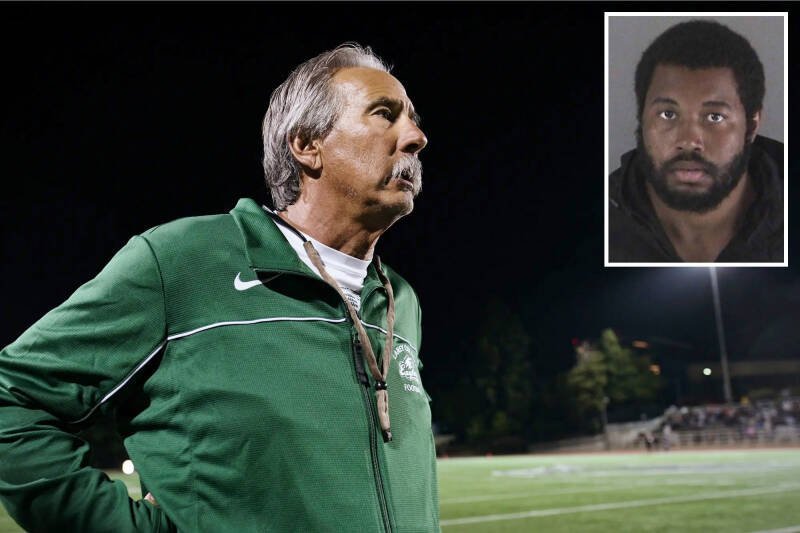
Oakland Coaching Legend Murder Case Thrown into Chaos: Suspect Deemed Incompetent
The case against the suspect in the murder of Oakland coaching legend John Beam faces major delays as the suspect is declared mentally incompetent. What does this mean for the future of the trial?
Oakland Coaching Legend Murder Case Faces Setback
The legal proceedings surrounding the death of John Beam, a revered Oakland football coach and educator, have been thrown into disarray. Cedric Irving Jr., the man accused of his murder, has been deemed mentally incompetent to stand trial, according to Alameda County prosecutors.
This significant decision, announced Friday, follows months of psychological evaluations that began after court proceedings were initially suspended in January. The evaluations were ordered to determine if Irving Jr. understood the charges against him and could assist in his own defense.
What Does "Incompetent to Stand Trial" Mean?
Being "incompetent to stand trial" means that a defendant doesn't currently possess the mental capacity to understand the nature of the legal proceedings, the charges they face, or to effectively assist their attorney in their defense. It does not mean the charges are dropped. It means the legal process is paused while efforts are made to restore the defendant's competency.
The court's decision is based on the findings of mental health professionals who assessed Irving Jr.'s cognitive abilities and understanding of the judicial system. In cases like these, a defendant may be sent to a mental health facility for treatment aimed at restoring their competency.
Why This News Matters
This legal development has profound implications for everyone involved. For the family and friends of John Beam, it means further delays in the pursuit of justice for his tragic death. The legal process, already lengthy and emotionally draining, will be extended indefinitely. This could potentially cause further trauma and suffering.
For the Oakland community, which deeply mourned the loss of a beloved figure, this news raises questions about the path to accountability and closure. Beam was not just a coach; he was a mentor, a role model, and a pillar of the community.
Our Analysis
In our opinion, this case highlights the complexities of the criminal justice system, particularly when mental health issues are involved. While it's crucial to hold individuals accountable for their actions, it's equally important to ensure that defendants understand the charges against them and have the ability to participate in their own defense. The system needs to balance justice for victims with due process for the accused.
The mental competency evaluation process is designed to protect the rights of the defendant. However, in cases involving violent crimes, the delays caused by these evaluations can be frustrating and painful for the victims' families. Finding the right balance between these competing interests is a constant challenge.
Future Outlook
What happens next? Typically, Irving Jr. will be committed to a mental health facility for treatment. The goal is to restore his competency so that he can eventually stand trial. The length of this treatment period can vary greatly, depending on the individual's specific condition and response to therapy. There will be regular evaluations and status updates provided to the court.
If, after a reasonable period of treatment, Irving Jr. is deemed unlikely to ever regain competency, the court may consider alternative legal pathways. These could include civil commitment proceedings, which would involve long-term care in a mental health facility but not a criminal trial.
This case is a reminder that the legal process is rarely straightforward, especially when mental health is a factor. It remains to be seen how long this process will take and what the ultimate outcome will be. This could impact the Beam family and Oakland community if there is no justice served in a timely fashion.