Palestinian Man Killed in Hebron: Understanding the Escalating Tensions
A Palestinian man was fatally shot by Israeli forces in Hebron. This article breaks down the incident, explores its implications, and analyzes the future outlook for the region.



A Palestinian man was fatally shot by Israeli forces in Hebron. This article breaks down the incident, explores its implications, and analyzes the future outlook for the region.
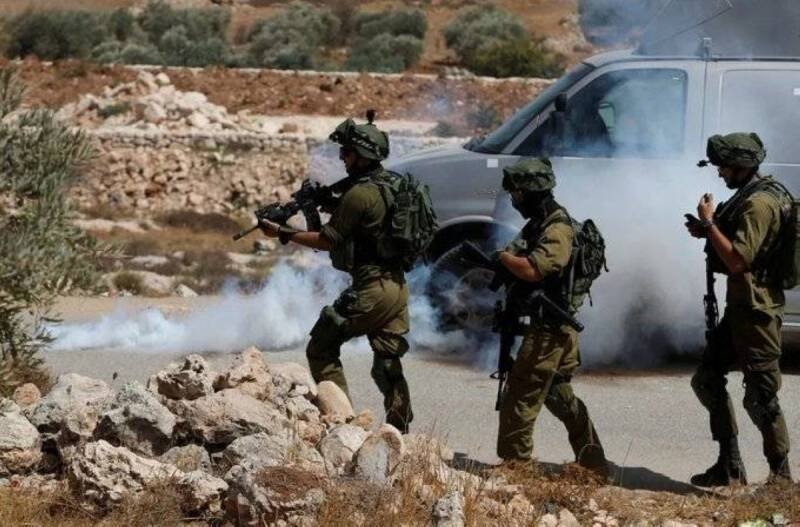
Reports indicate that a 25-year-old Palestinian man was killed by Israeli forces southwest of Hebron in the occupied West Bank on Saturday. According to the Palestinian news agency WAFA, Israeli forces opened fire on the man, resulting in his death.
While details surrounding the exact circumstances remain limited, this incident adds to the already high tensions in the region and underscores the ongoing complexities of the Israeli-Palestinian conflict. These incidents, tragically frequent, often spark further unrest and deepen the divide between the two sides.
Hebron, a city in the southern West Bank, is a particularly sensitive area due to the presence of a small but influential Israeli settlement within the city. This settlement, along with the presence of the Tomb of the Patriarchs (a site holy to both Muslims and Jews), contributes to a highly volatile environment. The presence of Israeli military forces is constant, aimed at protecting the settlers, which often leads to clashes with the Palestinian population.
This incident is significant for several reasons:
In our opinion, this incident is a tragic consequence of the ongoing occupation and the lack of a just and lasting peace agreement. The presence of Israeli settlements in the West Bank, deemed illegal under international law, further exacerbates tensions and contributes to a climate of violence. The Israeli military's response to perceived threats, while intended to provide security for its citizens, often results in civilian casualties and disproportionate use of force.
The Palestinian perspective is one of frustration and despair. Decades of occupation, limited economic opportunities, and a lack of political autonomy have created a fertile ground for anger and resentment. This incident is likely to deepen the sense of injustice and fuel further resistance.
The international community needs to take a more proactive role in addressing the root causes of the conflict and ensuring accountability for human rights violations. Without a concerted effort to achieve a just and lasting peace, these tragic incidents will continue to occur.
The future outlook for the region remains bleak. Without a significant shift in policy and a renewed commitment to peace negotiations, the cycle of violence is likely to continue. Several factors contribute to this pessimistic outlook:
This could impact the stability of the entire Middle East region. Increased radicalization is a possible outcome of prolonged conflict and desperation. In our opinion, only a sustained and concerted effort by the international community can prevent further deterioration of the situation. That effort needs to be focused on getting both sides back to the negotiating table, based on the principles of international law and the legitimate aspirations of both Israelis and Palestinians.