The Declaration of Independence: How News Spread in 1776
Learn how news of the Declaration of Independence spread in 1776. Explore the historical context and impact of this crucial moment in American history.
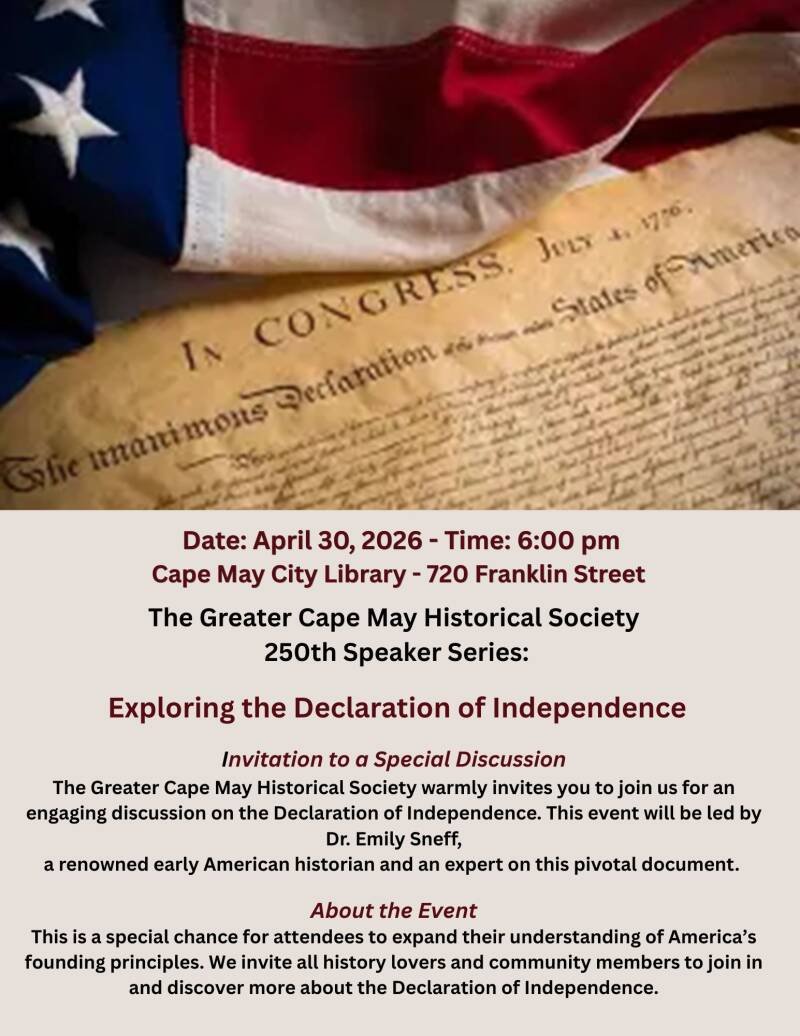



Learn how news of the Declaration of Independence spread in 1776. Explore the historical context and impact of this crucial moment in American history.
The Declaration of Independence, a cornerstone of American identity, wasn't just written and immediately accepted. Getting the word out about this revolutionary document was a complex process in 1776. Historian Dr. Emily Sneff explored this fascinating aspect of American history at a talk at the Cape May City Library on April 30th, offering insights into how news traveled during a time before instant communication.
Imagine a world without the internet, radio, or even readily available newspapers. In 1776, news relied on a network of human messengers, handwritten letters, printed broadsides (single sheets of paper), and public readings. Getting the Declaration of Independence into the hands of the public, and more importantly, making them understand its significance, was a monumental task.
Dr. Sneff’s talk likely delved into the strategies used by the Continental Congress and its supporters to disseminate the Declaration. This likely included distributing copies to colonial legislatures, sending riders on horseback to carry the news to different regions, and arranging for public readings in town squares and meeting houses.
While printed copies were crucial, the human element played an indispensable role. People debated the Declaration, interpreted its meaning, and spread the word through conversations. The accessibility of the Declaration, both in terms of language and physical distribution, was critical to its impact. Early copies were printed quickly and distributed to newspapers across the colonies.
Understanding how the Declaration of Independence spread gives us a deeper appreciation for the challenges faced by the founding fathers. It highlights the power of communication, even in its most rudimentary forms, to shape public opinion and ignite revolutionary fervor. This historical context is essential for understanding the evolution of American democracy and the importance of an informed citizenry. Think about it – today we are overloaded with information. Back then, the challenge was getting ANY information out there!
Dr. Sneff’s talk at the Cape May City Library is a valuable reminder of the power of primary sources and historical inquiry. By examining the methods used to disseminate the Declaration of Independence, we can gain a better understanding of the social and political landscape of the American Revolution. The fact that this talk took place at a local library emphasizes the vital role these institutions play in preserving and sharing history.
In our opinion, the dissemination of the Declaration of Independence wasn't just about delivering a message; it was about sparking a movement. The act of reading the Declaration aloud, debating its merits, and sharing its message with others helped to transform a collection of colonies into a unified nation.
It's important to remember that the Declaration wasn’t universally welcomed. Loyalists opposed independence, and their views needed to be considered. So, news about it, whether supporting or opposing it, was critical in helping the people decide whether to support the coming Revolution.
Events like Dr. Sneff’s presentation are essential for fostering a greater understanding of American history. They highlight the ongoing relevance of the Declaration of Independence and its principles in contemporary society. This could impact future generations by instilling a deeper appreciation for the values of freedom, equality, and self-governance.
Moving forward, more initiatives are needed to bring historical research to the public. Museums, libraries, and educational institutions should continue to offer accessible and engaging programs that explore pivotal moments in history. Furthermore, leveraging digital platforms to share historical insights can broaden reach and engage younger audiences.
In conclusion, the story of how the Declaration of Independence spread is a testament to the power of communication, the importance of human connection, and the enduring legacy of the American Revolution. Understanding this history is crucial for navigating the challenges and opportunities of our own time.