Aloha Stadium Demolition Begins: What It Means for Hawaii
The iconic Aloha Stadium is being demolished. Learn about the reasons behind the demolition, what's planned for the future, and its impact on Hawaii's economy and community.



The iconic Aloha Stadium is being demolished. Learn about the reasons behind the demolition, what's planned for the future, and its impact on Hawaii's economy and community.
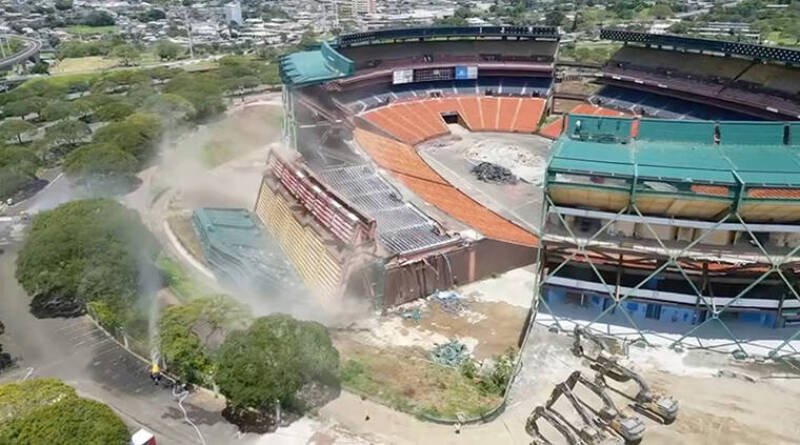
The demolition of Aloha Stadium, a landmark in Oahu, Hawaii, has officially begun. On Thursday, crews started tearing down a significant section of seating, marking a major step forward in the stadium's replacement project. This event signals not just the end of an era, but also the beginning of a new chapter for the Halawa area and the state as a whole.
Aloha Stadium, opened in 1975, has been more than just a sports venue. It has hosted countless football games, concerts featuring some of the world's biggest music stars, and cultural events that have shaped Hawaii's identity. From the NFL's Pro Bowl to high school championships, the stadium has been a gathering place for generations. Its unique design, featuring movable seating sections to accommodate different events, was once considered cutting-edge.
The decision to demolish Aloha Stadium wasn't taken lightly. Years of deferred maintenance and escalating costs led to the conclusion that renovating the aging structure was no longer financially viable. The stadium had fallen into disrepair, with significant structural issues impacting its safety and usability. Simply put, the cost to repair and modernize it far exceeded the cost of building a new facility.
The demolition of Aloha Stadium has far-reaching implications for Hawaii. Here's why it matters:
In our opinion, the demolition of Aloha Stadium is a necessary step towards revitalizing a key piece of Hawaii's infrastructure. While there's nostalgia associated with the old stadium, the cost of maintaining it was simply unsustainable. The new stadium project represents a significant investment in Hawaii's future, and its successful completion could have a profound positive impact on the state's economy and community. This could impact tourism in a positive way for years to come.
However, the project also faces challenges. Construction costs in Hawaii are notoriously high, and delays are common. It's crucial that the project is managed efficiently and transparently to ensure that it delivers the promised benefits to the community.
One critical element to observe is the potential for delays and cost overruns during the construction process. Given past construction projects in Hawaii, prudent oversight and transparent communication will be essential to keep the project on track and within budget.
The future of the Halawa area is intertwined with the success of the Aloha Stadium replacement project. Plans are underway for a new multi-purpose stadium that is designed to be more modern, flexible, and financially sustainable than its predecessor. The new stadium is expected to be completed in the coming years, ushering in a new era for sports and entertainment in Hawaii.
In the long term, the redevelopment of the Halawa area could transform the region into a major economic and cultural center. The project has the potential to create jobs, attract investment, and enhance the quality of life for residents. However, its success will depend on careful planning, effective execution, and strong community engagement.
ARTICLE: