Titanic Life Jacket Auctioned for $906,000: Why the Tragedy Still Captivates
A life jacket worn by a Titanic survivor fetched over $900,000 at auction. Explore why the Titanic disaster continues to fascinate and the significance of these historical artifacts.
Titanic Life Jacket Sells for Over $900,000: A Stark Reminder of the Disaster
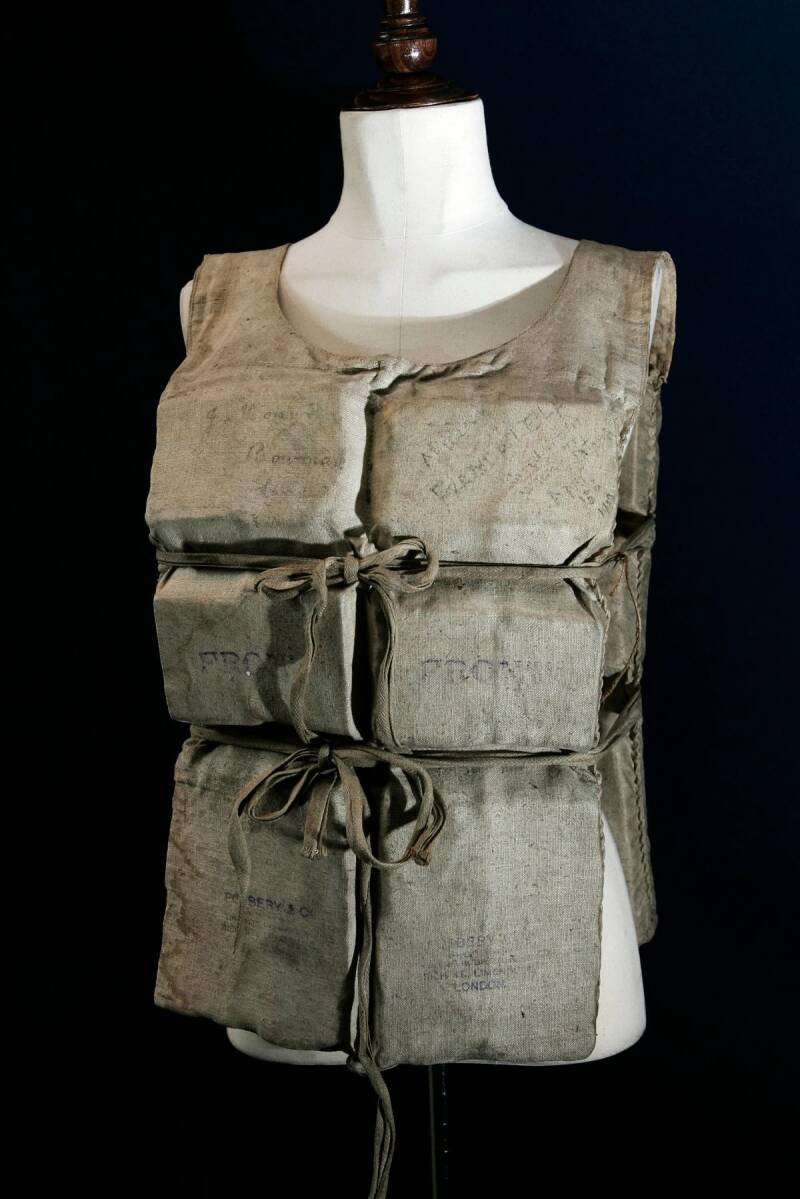
A life jacket worn by a passenger who survived the sinking of the RMS Titanic has been auctioned off for a staggering 670,000 pounds ($906,000). This poignant artifact, a stark reminder of the tragic 1912 disaster, was sold by Henry Aldridge & Son auctioneers in Devizes, England.
The life jacket belonged to Laura Mabel Francatelli, a first-class passenger on the Titanic. Remarkably, it is signed by her and other survivors who shared the same lifeboat. The auction also saw a seat cushion from one of the Titanic's lifeboats sell for 390,000 pounds ($527,000). It was purchased by the owners of two Titanic museums located in Pigeon Forge, Tennessee, and Branson, Missouri.
These auction prices include the buyer's premium, a fee charged by the auction house. Andrew Aldridge, the auctioneer, commented that the record-breaking prices reflect the enduring interest in the Titanic story and the respect for the passengers and crew who perished. The previous record for Titanic memorabilia was roughly $2 million paid for a pocket watch owned by the captain of the RMS Carpathia, the ship which rescued survivors.
The "Unsinkable" Ship and Its Tragic Fate
The Titanic, touted as the world's most luxurious ocean liner and "practically unsinkable," met its fate on its maiden voyage from England to New York. On April 15, 1912, the ship struck an iceberg off the coast of Newfoundland and sank within hours. This catastrophic event resulted in the deaths of approximately 1,500 of the 2,200 passengers and crew members onboard.
Francatelli, a first-class passenger, was traveling with her employer, fashion designer Lucy Duff Gordon, and Lucy's husband, Cosmo Duff Gordon. All three survived, but their lifeboat, No. 1, became infamous for launching with only 12 people despite having a capacity for 40. This sparked considerable controversy and accusations of negligence in the aftermath of the disaster.
Why This News Matters
The high prices paid for these Titanic artifacts highlight the continued relevance of the Titanic disaster in popular culture and historical memory. The event serves as a cautionary tale about hubris, technological overconfidence, and the social inequalities that were tragically exposed in the face of disaster. The artifacts themselves are tangible links to the people who lived and died during one of the 20th century's most iconic tragedies.
Our Analysis
The enduring fascination with the Titanic likely stems from a confluence of factors. The ship represented the pinnacle of Edwardian luxury and technological achievement, making its downfall all the more shocking. The stories of the passengers, ranging from wealthy industrialists to impoverished immigrants, offer a microcosm of society at the time.
In our opinion, the human drama of the disaster, coupled with the tangible remnants like this life jacket, contribute to the event's enduring appeal. The high price paid reflects both the historical significance and the emotional weight attached to these objects.
Future Outlook
The market for Titanic memorabilia is likely to remain strong in the foreseeable future. As time passes, fewer artifacts will surface, potentially driving up prices for those that do. Furthermore, ongoing research and documentaries continue to fuel public interest in the Titanic, ensuring that the story remains relevant for generations to come. This could impact similar auctions of historical items, and how historical artifacts are perceived in the future.
The continued discovery of new information about the disaster, along with technological advancements that allow for increasingly detailed exploration of the wreck site, will undoubtedly contribute to a sustained interest in the Titanic story. This, in turn, will likely maintain the value of related artifacts and memorabilia.