Rare Great Eared Nightjar Sighting in Thailand: Why It Matters
A rare Great Eared Nightjar sighting in Thailand's Kaeng Krachan National Park has birdwatchers excited. Discover why this is important and what it means for conservation.
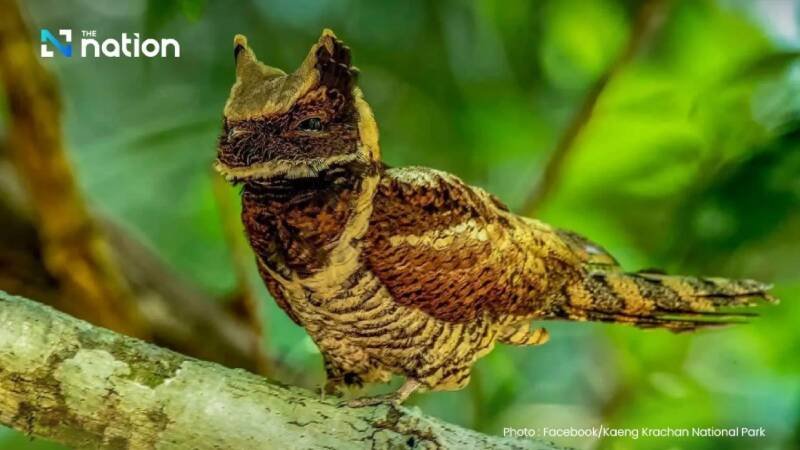



A rare Great Eared Nightjar sighting in Thailand's Kaeng Krachan National Park has birdwatchers excited. Discover why this is important and what it means for conservation.
A rare and elusive bird, the Great Eared Nightjar, has recently been spotted in Thailand's Kaeng Krachan National Park, sparking excitement among birdwatchers and conservationists. Mongkol Chaipakdee, the park's chief, confirmed the sighting, which occurred near Ban Krang Camp on the road leading to Khao Phanoen Thung during the Songkran holiday. This is particularly noteworthy because the Great Eared Nightjar is notoriously difficult to spot in the wild.
The Great Eared Nightjar (Lyncornis macrotis) is a nocturnal bird known for its impressive ear tufts and cryptic plumage, which helps it blend seamlessly into its forest habitat. It’s a master of disguise, spending its days roosting motionless on the forest floor or perched on branches, making it a real challenge for bird enthusiasts to observe. Its diet consists primarily of insects, which it catches in flight. Due to habitat loss and degradation, these birds are considered uncommon to rare across their range, further adding to the significance of this recent sighting.
This sighting isn't just about a beautiful bird; it represents several crucial factors:
The fact that the Great Eared Nightjar was observed "in clear view by the roadside" is particularly interesting. While it allowed tourists a close encounter, it also raises questions. Was the bird perhaps displaced from its usual habitat? Was it unusually bold? More data would be needed to understand the circumstances fully. However, the sighting provides valuable information about the species' presence in the area. In our opinion, this prompts a need for increased monitoring of the bird population within the park.
The timing of the sighting during the Songkran holiday is also notable. Increased human activity associated with the holiday could potentially disturb wildlife. However, it may also suggest that the bird is somewhat habituated to human presence in certain areas of the park. Regardless, it highlights the importance of responsible tourism and minimizing disturbances to wildlife habitats.
The future of the Great Eared Nightjar, like many other vulnerable species, depends on concerted conservation efforts. This recent sighting underscores the need for:
This could impact the funding that is allocated to protecting the species. Increased tourism can also help the local economy, meaning there is a financial incentive to preserve the species and the forest they inhabit. In our opinion, the sighting represents a positive step but needs to be followed by concrete action. Long-term monitoring and adaptive management strategies are essential to ensure the continued survival of the Great Eared Nightjar and the rich biodiversity of Kaeng Krachan National Park.