Lyrid Meteor Shower 2024: How to See It & What to Expect
The Lyrid meteor shower is here! Learn when and how to see this celestial event, plus our expert analysis of its impact on stargazers and the future of meteor shower observation.
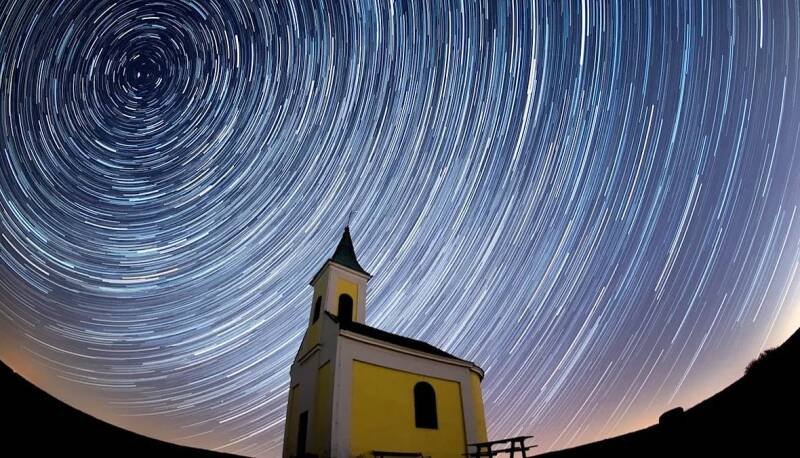



The Lyrid meteor shower is here! Learn when and how to see this celestial event, plus our expert analysis of its impact on stargazers and the future of meteor shower observation.
Get ready for a celestial treat! The Lyrid meteor shower is currently gracing our skies and will peak soon. This means more opportunities to witness the beautiful spectacle of shooting stars streaking across the night sky. If you're an astronomy enthusiast or simply looking for a breathtaking experience, now is the time to look up.
The Lyrid meteor shower is an annual event, occurring when Earth passes through the debris trail left behind by Comet Thatcher (C/1861 G1). These tiny particles, no bigger than grains of sand, collide with our atmosphere at tremendous speeds, burning up and creating the bright flashes we see as meteors.
The shower is active between April 14th and April 30th, but the peak viewing nights are typically around April 22nd and 23rd. This is when you'll have the best chance of seeing the highest number of meteors per hour.
No special equipment is needed to view the Lyrid meteor shower. Just your eyes and a dark sky!
The Lyrid meteor shower offers a fantastic opportunity for people of all ages to connect with the night sky and appreciate the wonders of the universe. It's a reminder of the dynamic processes happening in our solar system and a chance to spark curiosity about astronomy. For amateur astronomers, it's a valuable chance to practice observation skills and learn about meteor shower patterns.
While the Lyrid meteor shower isn't known for producing incredibly high meteor rates (typically around 10-20 meteors per hour during peak), it's still a reliable and beautiful event. The meteors themselves can be quite bright, and the fact that it occurs in April, when the weather is generally milder in the Northern Hemisphere, makes it a popular choice for stargazing.
In our opinion, the most significant factor affecting viewing will be light pollution. Efforts to reduce light pollution in urban areas could dramatically improve the viewing experience for many people. Furthermore, clear skies are critical, so be sure to check your local weather forecast.
Astronomers continuously study meteor showers to better understand their origins, behavior, and potential hazards to satellites. Analyzing data from past Lyrid meteor showers helps refine our models of Comet Thatcher's orbit and the distribution of debris in its wake. This data can also be used to predict future meteor shower activity and improve our understanding of the overall dynamics of the solar system.
This could impact the design and operation of satellites in the future. By understanding the risks associated with meteoroid impacts, satellite operators can take steps to mitigate the damage and ensure the long-term reliability of their spacecraft.
Looking ahead, advancements in technology, such as more sensitive meteor detection systems, will likely provide even more detailed information about meteor showers like the Lyrids. This could lead to more accurate predictions and a better understanding of the relationship between comets and meteor showers.