Alberta Cow Prices Soar: What's Driving the Market and What it Means for Farmers
Cow prices in Alberta are surging, exceeding expectations. Learn about the factors driving this trend, why it matters for farmers, and what the future holds for the Alberta cattle market.
Alberta Cow Prices Climb: Are We Seeing a Beef Boom?
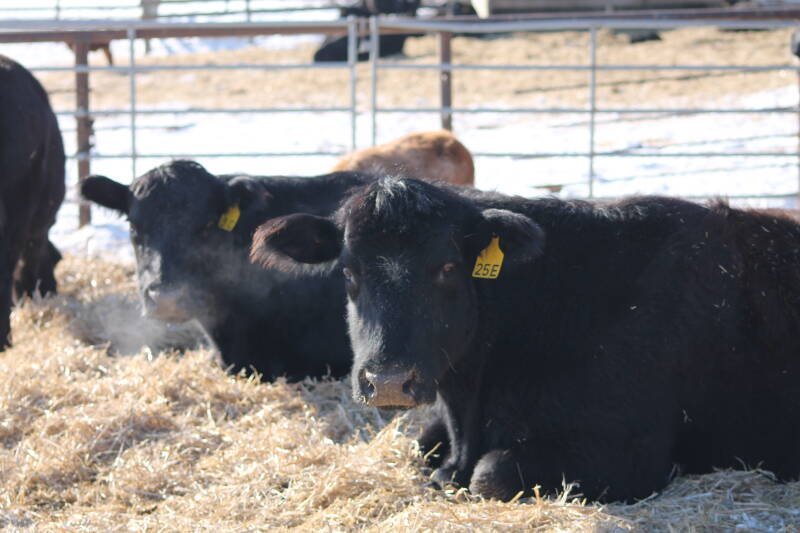
Alberta cow prices are experiencing a significant surge, catching many in the agriculture industry by surprise. D1 and D2 cows, specifically, are showing strong upward trends across Alberta markets, with prices for 2026 trending significantly higher than those seen last year. This begs the question: what's fueling this price hike, and what does it mean for Alberta's beef producers?
Understanding D1 and D2 Cows
Before diving deeper, let's clarify what D1 and D2 cows represent. These classifications are generally based on the cow's condition, body score, and potential for beef production. D1 cows are typically in better condition than D2 cows, and therefore command a higher price in the market. These categories are important for processing plants who are looking to buy cows for meat production.
Why This News Matters
The rising cow prices in Alberta have far-reaching implications for various stakeholders:
- For Farmers: Higher prices translate to increased revenue for farmers selling their cows. This can improve profitability and provide financial stability, especially after periods of market volatility.
- For Consumers: While good for farmers, rising cow prices could eventually lead to higher beef prices at the grocery store. It's essential to monitor how these increases translate into consumer costs.
- For the Alberta Economy: The agricultural sector is a vital part of Alberta's economy. A thriving cattle market can stimulate economic growth and create more jobs within the industry.
Our Analysis
Several factors are likely contributing to the current surge in Alberta cow prices. Some potential drivers include:
- Strong Export Demand: Increased demand for Alberta beef from international markets, particularly Asia and the United States, can drive up prices. Alberta beef is known for its quality, leading to a steady export market.
- Lower Herd Sizes: Drought conditions in recent years have forced some ranchers to reduce their herd sizes. A smaller supply of cows available for sale can naturally lead to higher prices.
- Feed Costs: Lower feed costs make raising cattle more profitable, encouraging producers to retain cows and increasing demand for replacement animals. This increased demand then drives up prices.
- Inflationary Pressures: Overall inflationary pressures are impacting all sectors of the economy, including agriculture. Increased input costs (fuel, fertilizer, etc.) can contribute to higher cattle prices.
In our opinion, a combination of these factors is creating a perfect storm for higher cow prices in Alberta. The extent to which each factor contributes will vary over time, but the overall trend seems positive for producers.
Future Outlook
Predicting the future of the cattle market is never easy, but here are some potential scenarios to consider:
- Continued Price Strength: If export demand remains strong and herd sizes remain constrained, cow prices could stay elevated for the foreseeable future. This would be beneficial for farmers but could eventually impact consumer prices.
- Price Correction: A significant increase in herd sizes, a slowdown in export demand, or a rise in feed costs could trigger a price correction. Farmers should be prepared for potential market fluctuations.
- Government Policies: Government policies related to trade, environmental regulations, and agricultural subsidies can also influence the cattle market. Monitoring these policies is crucial for understanding the long-term outlook.
This could impact the number of farmers looking to grow their cattle operations. If these operations grow, this may lead to an oversupply of beef, causing a decrease in prices. However, for now, Alberta's cattle market appears to be in a strong position. Farmers should carefully monitor market trends, manage their production costs, and explore risk management strategies to navigate the potential uncertainties ahead.