North Korea Missile Launch: Understanding the Implications
North Korea's latest missile launch raises concerns about nuclear proliferation. Get the facts, analysis, and future outlook.
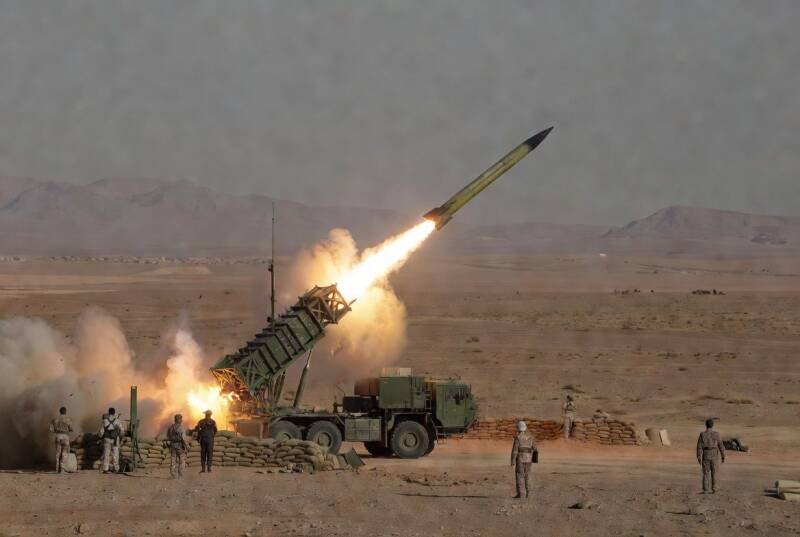



North Korea's latest missile launch raises concerns about nuclear proliferation. Get the facts, analysis, and future outlook.
North Korea fired multiple short-range ballistic missiles into its eastern waters on Sunday, according to reports. This marks another in a series of missile tests conducted by the country, raising concerns within the international community about its increasingly advanced weapons program and potential nuclear ambitions.
The launch involved several short-range ballistic missiles. While specifics such as the exact number of missiles and their range are still being analyzed, the incident has triggered immediate responses from neighboring countries and international organizations.
North Korea has a long history of conducting missile tests, often timed to coincide with significant political events or in response to international pressure. These actions are generally seen as attempts to strengthen the country's negotiating position and demonstrate its military capabilities.
This missile launch isn't just a local issue; it has far-reaching implications:
In our opinion, this latest missile launch represents a calculated move by North Korea to assert its power and demonstrate its defiance of international sanctions. The timing of the launch could be interpreted as a message to the United States and its allies, particularly in light of recent joint military exercises in the region.
The international community's response will be crucial. Stricter sanctions could further isolate North Korea, but they may also fail to deter its weapons development. Diplomatic engagement, while challenging, remains the most viable long-term solution.
It's important to understand what a ballistic missile actually is. These missiles follow a ballistic trajectory, meaning they are powered during their initial phase and then travel unpowered through the atmosphere, relying on gravity to reach their target. Short-range ballistic missiles (SRBMs) have a range of less than 1,000 kilometers.
Looking ahead, several potential scenarios could unfold:
This situation could impact global security alliances and trade relationships in the region. We believe that a comprehensive strategy involving diplomatic engagement, sanctions enforcement, and regional security cooperation is essential to addressing the challenges posed by North Korea's weapons program. Maintaining open communication channels, even in times of heightened tension, is vital to preventing miscalculations and managing the risks of escalation.