The Surprising First TV Appearance of Wonder Woman
Discover the bizarre and unexpected animated sitcom spin-off that marked Wonder Woman's television debut before Lynda Carter's iconic portrayal. Learn why this obscure piece of DC history matters and what it reveals about the evolution of superhero representation.
The Unlikely Origin of Wonder Woman on Television: Before Lynda Carter, There Was… This?
Most people immediately picture Lynda Carter when they think of Wonder Woman on TV. Her portrayal is iconic, setting the standard for decades. But before Carter’s dazzling debut in 1975, Wonder Woman appeared on television in a way that’s, well, *unexpected*.
It wasn’t a live-action superhero series. It wasn’t even a solo animated show. It was... an animated spin-off of the hit sitcom, *The Brady Bunch*, called *The Brady Kids*.
Wait, Wonder Woman and The Brady Bunch?
Yes, you read that correctly. In 1972, Filmation created *The Brady Kids*, an animated series featuring the Brady children getting into various kid-friendly adventures. But what makes this show truly bizarre (and historically significant for DC Comics fans) is that Wonder Woman popped up in one of their episodes.
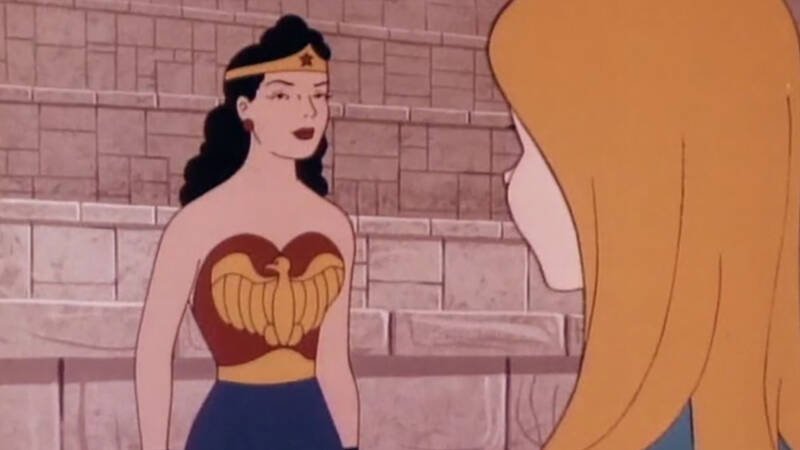
Specifically, in the episode "It's All Greek to Me," the Brady kids are transported to ancient Greece. There, they encounter various mythological figures, including, for some reason, Wonder Woman. This appearance marks the very first time the Amazonian princess was depicted on television.
Wonder Woman's Role in *The Brady Kids*
Wonder Woman's role wasn't exactly earth-shattering. She was portrayed as a helpful figure, offering assistance to the Brady kids in their Greek escapade. She wasn’t fighting crime or delivering inspiring speeches. She was simply… there, interacting with cartoon versions of the Brady Bunch. The animation style was simplistic, reflecting the budget and style of early 70s Saturday morning cartoons.
Why This News Matters
This seemingly trivial piece of television history offers a fascinating glimpse into how superheroes were perceived and utilized in early television. It highlights the willingness of studios to experiment and leverage popular characters in unexpected ways. This obscure appearance reminds us that even iconic figures like Wonder Woman had humble and sometimes peculiar beginnings. It is also interesting to note that Wonder Woman was featured in a children’s program at this time. Clearly the image of the character had not been fully established by the broader public.
Our Analysis
In our opinion, the inclusion of Wonder Woman in *The Brady Kids* speaks volumes about the cultural landscape of the early 1970s. Superhero popularity was growing, but the understanding of these characters outside of comic books was still nascent. Placing Wonder Woman in a context as mainstream and wholesome as *The Brady Bunch* suggests an attempt to broaden her appeal and integrate her into popular culture.
This choice also highlights the limitations of representation at the time. While Wonder Woman was present, she was relegated to a supporting role in someone else's story. She didn't have her own agency or narrative, which is a stark contrast to the powerful and independent hero we know today.
Future Outlook
While this appearance of Wonder Woman might seem like a forgotten footnote, it serves as a reminder of the character's evolution. Looking ahead, we can anticipate continued diversification of superhero narratives, with increased attention to authentic representation and complex storytelling. This early, somewhat awkward, appearance serves as a benchmark, highlighting how far we've come in portraying powerful female characters on screen. This could impact the way future iterations of Wonder Woman, and other female superheroes, are developed and presented. It also highlights that even iconic characters have had unexpected beginnings.
The fact that *The Brady Kids* featured Wonder Woman before she had her own live-action show reminds us that building a lasting pop culture icon is a process of many small steps.