Circoloco Mumbai Cancelled: Why India Struggles with Large-Scale Events
Circoloco's Mumbai show was cancelled at the last minute due to permission issues. Explore why India struggles with large-scale events and what this means for the future of concerts.
Circoloco Mumbai Show Cancelled: Last Minute Disappointment
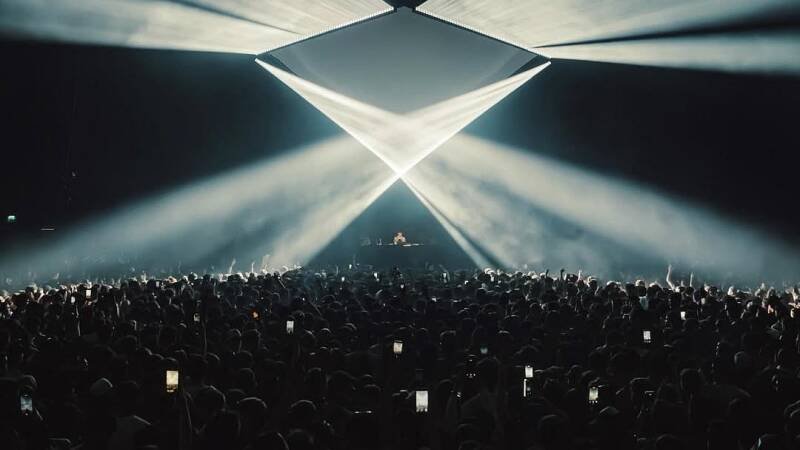
In a move that has left electronic music fans in Mumbai deeply disappointed, the highly anticipated Circoloco show, scheduled for today, April 19th, at Jio World Garden, has been abruptly cancelled. The organizers cited unforeseen "updated regulations" as the reason behind the last-minute decision, despite all preparations seemingly being in place.
The news has sparked considerable outrage and frustration online, with many fans expressing their dismay. One netizen lamented, "India is not ready for concerts," echoing a sentiment of increasing skepticism towards the country's ability to successfully host large-scale international events.
The Official Statement
While the exact details of the "updated regulations" remain somewhat vague, the organizers released a statement expressing their regret and apologizing to fans. They maintained that they had diligently followed all protocols and were caught off guard by the last-minute change.
Why This News Matters
The cancellation of the Circoloco Mumbai show is more than just a setback for electronic music enthusiasts. It highlights a recurring issue in India's event industry: the unpredictable and often bureaucratic nature of obtaining necessary permissions for large gatherings. This creates uncertainty for organizers and, ultimately, disappoints fans.
This isn't an isolated incident. Similar disruptions have plagued other events in recent months, raising serious concerns about the feasibility of hosting major international acts and festivals in India. The lack of a streamlined and transparent regulatory process is hindering the growth of the entertainment industry and potentially damaging India's reputation as a viable destination for global events.
Our Analysis
In our opinion, the cancellation points to a systemic problem within the Indian events ecosystem. The "updated regulations" cited by the organizers could stem from a variety of factors, including concerns about security, noise pollution, or even political interference. Regardless of the specific reason, the lack of clear communication and the timing of the decision are highly problematic.
This situation also highlights the need for greater collaboration between event organizers and local authorities. A proactive approach, involving early consultation and transparent communication, could potentially mitigate these kinds of last-minute cancellations. Furthermore, a more streamlined and standardized process for obtaining permits is crucial for attracting international events and boosting the local economy.
Future Outlook
The future of large-scale events in India hangs in the balance. If the underlying issues are not addressed, we could see a continued decline in international acts and festivals choosing India as a venue. This would not only disappoint fans but also harm the country's entertainment industry and its potential for tourism revenue.
Moving forward, the Indian government and local authorities need to prioritize the development of a clear and consistent regulatory framework for events. This should involve simplifying the permit application process, ensuring transparent communication, and fostering a collaborative relationship with event organizers. Without these changes, India risks being left behind as other countries capitalize on the growing demand for live entertainment.
This could impact the willingness of other international artists to perform in India. Event organizers will be wary of investing significant resources into planning events if there is a high risk of last-minute cancellation due to unpredictable regulatory changes. It is essential for the Indian government to address these challenges to ensure the continued growth and success of the entertainment industry in India.