The Mystery of Shazaam: Why Do People Remember a Sinbad Genie Movie That Never Existed?
Explore the fascinating Mandela Effect phenomenon surrounding the nonexistent Sinbad genie movie, "Shazaam." Uncover the reasons behind shared false memories and its cultural impact.
The Mystery of Shazaam: Why Do People Remember a Sinbad Genie Movie That Never Existed?
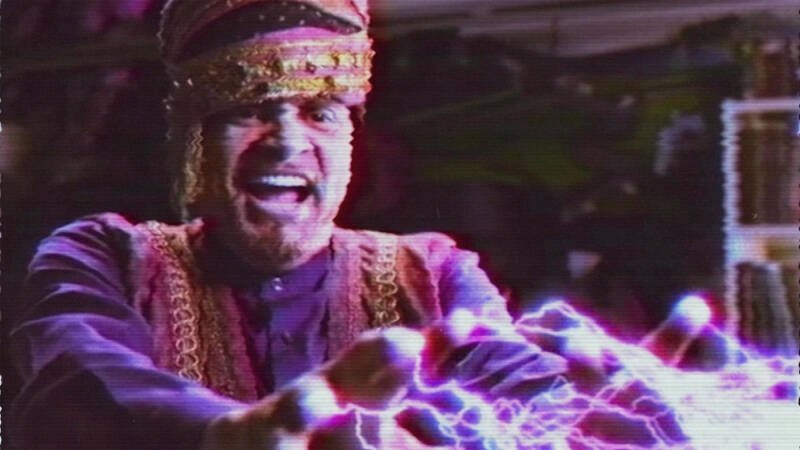
Have you ever felt a strong memory of something that just... didn't happen? You're not alone. One of the most intriguing examples of this is the collective memory of a supposed 90s movie called "Shazaam," starring comedian Sinbad as a genie. The only problem? It never existed.
This phenomenon has fascinated people for years, leading to discussions, debates, and even attempts to find evidence of this phantom film. But what’s behind this shared delusion?
The Origins of the Shazaam Memory
The "Shazaam" mystery gained traction online, particularly after a post on the now-defunct Yahoo! Answers in 2009. Someone asked if anyone remembered a movie where Sinbad played a genie. That simple question unleashed a wave of responses from people who vividly recalled scenes, plot points, and even the movie's title. Yet, there was no such movie.
This isn't a singular experience. It falls under a broader psychological phenomenon known as the "Mandela Effect." The Mandela Effect is when a large group of people all share the same false memory. The name comes from the widespread (but incorrect) belief that Nelson Mandela died in prison in the 1980s.
Why This News Matters
Understanding the "Shazaam" phenomenon and the Mandela Effect is important for several reasons:
- It sheds light on the fallibility of memory: Our memories are not perfect recordings of the past. They are reconstructive and can be influenced by suggestion, context, and other factors.
- It highlights the power of suggestion and shared experiences: Social media and online communities can amplify and reinforce false memories.
- It raises questions about the nature of reality and collective consciousness: While it's easy to dismiss the "Shazaam" memory, it does prompt us to consider how our individual realities are shaped by shared beliefs.
Our Analysis
So, what contributes to the "Shazaam" delusion? Several factors are likely at play:
- Sinbad's image: Sinbad often wore vests and head wraps, which could be easily associated with a genie-like character.
- The movie "Kazaam": The actual movie "Kazaam," starring Shaquille O'Neal as a genie, was released in 1996. The similar titles and genie theme likely caused confusion.
- The power of suggestion: Once the idea of a Sinbad genie movie was introduced, it became easier for people to "remember" it, especially those with fuzzy memories of 90s films.
- Nostalgia: A general sense of nostalgia for the 90s might also contribute to people’s desire to remember such a movie.
In our opinion, the "Shazaam" mystery is a fascinating example of how easily our minds can play tricks on us. It's a reminder that we should be cautious about trusting our memories, especially when they're shared by others.
Future Outlook
The "Shazaam" mystery is likely to persist as long as the internet exists. It will continue to be a source of debate and amusement. As more people learn about the Mandela Effect, we expect more awareness of these kinds of shared false memories.
The Potential Impact
This could impact how we perceive and consume information online. Understanding the Mandela Effect might make us more critical of shared memories and narratives, encouraging us to verify information before accepting it as truth. This could also affect marketing and advertising, as companies may need to be more cautious about potentially creating or exploiting false memories.
Ultimately, the "Shazaam" phenomenon serves as a cautionary tale and a source of fascination. It reminds us of the complexities of the human mind and the power of collective memory, both real and imagined.