Air India Cuts Flights: Fuel Costs Force Major Route Reductions
Air India slashes 100 daily flights due to rising fuel prices. Learn how this affects international routes and what it means for the future of air travel.
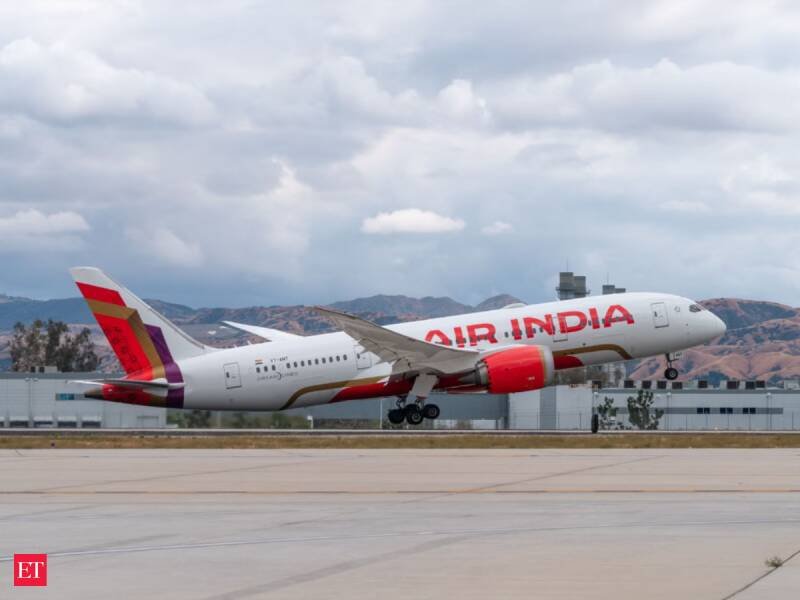



Air India slashes 100 daily flights due to rising fuel prices. Learn how this affects international routes and what it means for the future of air travel.
Air India is significantly reducing its flight schedule, cutting approximately 100 flights per day. The reason? Soaring jet fuel prices are making it increasingly difficult for the airline to maintain its current operations profitably.
This isn't just a minor adjustment. Air India is making substantial cuts on some of its most important international routes, particularly those to Europe, North America, Australia, and Singapore. This means fewer options for travelers and potential disruptions to travel plans.
While the exact breakdown of the 100 flight cancellations isn't fully public, the airline has indicated that long-haul routes are particularly affected. Expect to see:
This news has far-reaching consequences beyond just Air India. It highlights the vulnerability of the aviation industry to fluctuating fuel prices. When fuel costs rise, airlines are forced to make tough choices – raise ticket prices (potentially deterring customers), cut routes (reducing service and connectivity), or even face bankruptcy.
For travelers, this means potentially higher fares, fewer flight options, and the risk of cancelled flights. For the Indian economy, it could affect tourism, trade, and overall connectivity with the rest of the world.
In our opinion, Air India's situation reflects a broader problem within the aviation industry. Airlines operate on thin margins, and jet fuel is a major expense. When fuel prices spike, it puts immense pressure on their profitability. While some airlines may try to absorb the costs, eventually, they have to pass them on to consumers or cut services.
This situation also raises questions about the role of government. The Federation of Indian Airlines has called for government intervention to alleviate the cost burden. This could involve tax breaks on jet fuel or other forms of support. However, government intervention is always a complex issue, with potential drawbacks and unintended consequences.
The core issue is the volatility of jet fuel prices. These prices are tied to global oil markets, which are influenced by a variety of factors, including geopolitical events, supply and demand dynamics, and even weather patterns. This makes it difficult for airlines to predict and manage their fuel expenses effectively.
The future for Air India, and the wider aviation industry, hinges on a few key factors:
This could impact the travel choices available and also increase ticket costs for all airlines, not just Air India.
Looking ahead, we may see airlines exploring alternative fuels and more fuel-efficient aircraft to reduce their reliance on traditional jet fuel. However, these solutions are still in the early stages of development and will take time to implement.
Ultimately, Air India's flight cuts serve as a stark reminder of the challenges facing the aviation industry in a world of volatile fuel prices and increasing cost pressures. Travelers should be prepared for potential disruptions and higher fares in the coming months.
























