Calvin Harris Mumbai Concert: Alcohol Ban Causes Uproar, But Did the Music Save the Night?
Calvin Harris's Mumbai concert faced controversy due to an alcohol ban. We break down the fan reaction, the organizer's stance, and the future of such events in India.
Calvin Harris Mumbai Concert: Music Soars, Alcohol Ban Sours
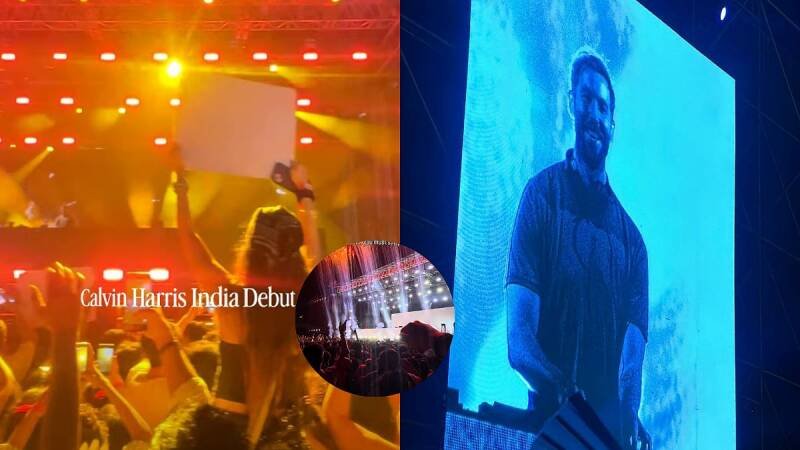
Calvin Harris's recent concert in Mumbai drew massive crowds eager to dance the night away to his signature electronic beats. The atmosphere was electric, with fans creating a genuine festival vibe. However, the event wasn't without its controversy. A pre-announced ban on alcohol left some concertgoers less than thrilled.
The Promised Spectacle
Footage from inside the venue shows thousands of fans dancing and enjoying Harris's performance. The stage production appeared to be top-notch, and the music, as expected, had the crowd jumping. For many, Harris delivered on his promise of a spectacular show.
The 'No Alcohol Shock'
Despite the high energy, reports surfaced of discontent among some attendees regarding the alcohol ban. While organizers had announced the restriction beforehand, it seemed many concertgoers were caught off guard or hoped the rule wouldn't be strictly enforced. This created a point of frustration for a segment of the audience.
Why This News Matters
This event highlights a growing tension in India's entertainment scene. As international artists flock to the country, cultural expectations and regulations often clash. The alcohol ban is a prime example. Understanding this dynamic is crucial for event organizers, artists, and fans alike. It also raises questions about what compromises will need to be made to ensure events are enjoyable for everyone while respecting local laws and customs.
Our Analysis
In our opinion, the organizers faced a difficult balancing act. They had to adhere to local regulations while also trying to create a desirable experience for international concertgoers, who are often accustomed to alcohol being readily available at such events. While the pre-announcement of the ban was a responsible move, its impact on the overall enjoyment seems undeniable for a portion of the audience.
The success of the concert, despite the alcohol ban, also suggests that the music itself was compelling enough to overcome this hurdle. This speaks to Harris's popularity and the strong desire among Indian fans to experience his music live.
Potential Implications
This situation could impact future international concerts in India. Organizers might need to be even more proactive in communicating restrictions and exploring alternative ways to enhance the concert experience. For example, offering a wider variety of non-alcoholic beverages or focusing on other aspects like enhanced visuals and interactive experiences.
Future Outlook
Looking ahead, it's likely that India will continue to attract major international artists. However, expect ongoing conversations about cultural differences and regulations. We anticipate that event organizers will become more sophisticated in navigating these challenges, perhaps by working more closely with local authorities and engaging in proactive communication with potential attendees. It's also possible we'll see more "dry" concerts becoming the norm, forcing the industry to adapt and find new ways to create memorable experiences.
What to Expect Moving Forward
- Increased transparency from organizers regarding event restrictions.
- A focus on enhancing non-alcohol related aspects of the concert experience.
- Ongoing discussions about the role of alcohol at entertainment events in India.
Ultimately, the Calvin Harris Mumbai concert serves as a valuable case study for the evolving landscape of live entertainment in India. It highlights the importance of adaptability, communication, and a commitment to creating enjoyable experiences for all attendees, regardless of their beverage preferences. Whether or not alcohol becomes a standard feature at such events remains to be seen, but in our opinion, the focus should always be on prioritizing safety and respect for local regulations.