Iran Rejects US Peace Talks: What It Means for the Future
Iran has rejected new peace talks proposed by the US. Here's a breakdown of the situation, why it matters, our analysis, and the future outlook.



Iran has rejected new peace talks proposed by the US. Here's a breakdown of the situation, why it matters, our analysis, and the future outlook.
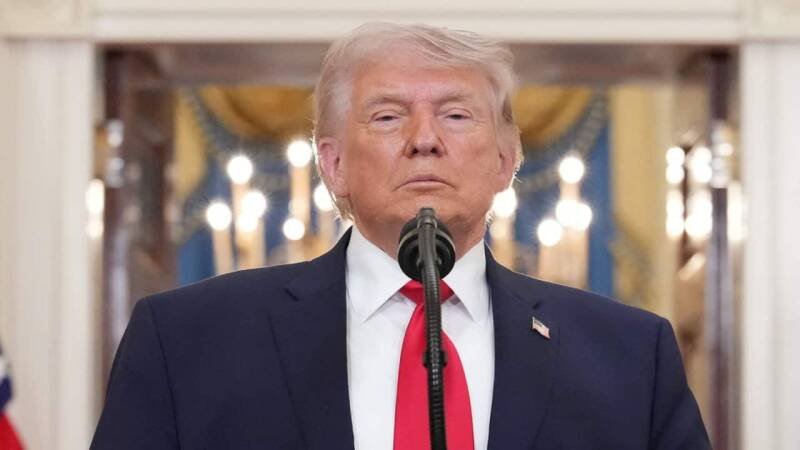
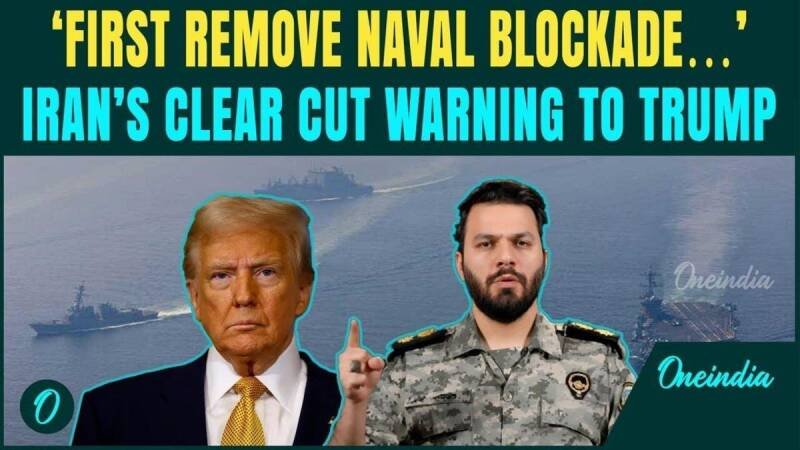
Iran has turned down the possibility of new peace talks with the United States, according to a report by its state news agency on Sunday. This follows U.S. President Donald Trump's announcement that he was sending envoys to Pakistan for discussions. The Iranian rejection signals a continued impasse in relations between the two nations.
Relations between Iran and the United States have been strained for decades, marked by mutual distrust and conflicting interests in the Middle East. The 2015 nuclear deal (JCPOA), which aimed to limit Iran's nuclear program in exchange for sanctions relief, offered a brief period of detente. However, President Trump's decision to withdraw the US from the JCPOA in 2018 and reimpose sanctions has significantly escalated tensions.
The US has maintained a "maximum pressure" campaign against Iran, aiming to compel it to renegotiate the nuclear deal and curb its regional activities. Iran has consistently maintained it will not negotiate under pressure.
This rejection of peace talks is significant for several reasons:
In our opinion, Iran's rejection of talks is likely a calculated move. They may believe that negotiating with the Trump administration, which has a history of withdrawing from international agreements, is not in their best interest. They could also be waiting for a potential change in US administration. This situation is complex, and Iran's decision is likely influenced by a variety of factors, including domestic political considerations and regional power dynamics.
The US approach of "maximum pressure" may be backfiring. While intended to bring Iran to the negotiating table, it appears to be hardening their stance. The lack of direct dialogue between the two countries further exacerbates the situation.
The future remains uncertain. Several possible scenarios could unfold:
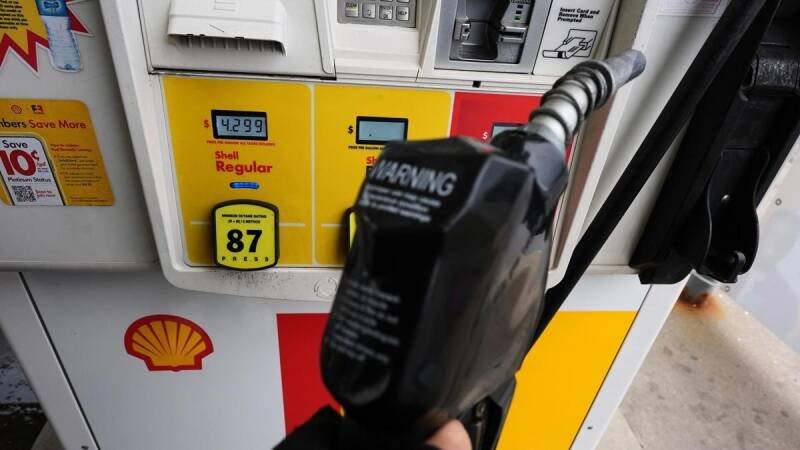
This could impact the price of oil, as any disruption to Middle Eastern oil supplies would cause prices to spike. Additionally, it could lead to increased tensions between the US and other countries that still support the JCPOA, such as Europe. The instability also provides opportunities for extremist groups to flourish.
Ultimately, a diplomatic solution is the best path forward. This requires both the US and Iran to engage in direct dialogue and address each other's concerns. Without a willingness to compromise, the situation will likely remain volatile and dangerous.