Cameras in Courtrooms: A Double-Edged Sword
Cameras in courtrooms have a long and controversial history, from the Lindbergh kidnapping to modern-day cases. We explore the pros, cons, and future of courtroom cameras.



Cameras in courtrooms have a long and controversial history, from the Lindbergh kidnapping to modern-day cases. We explore the pros, cons, and future of courtroom cameras.
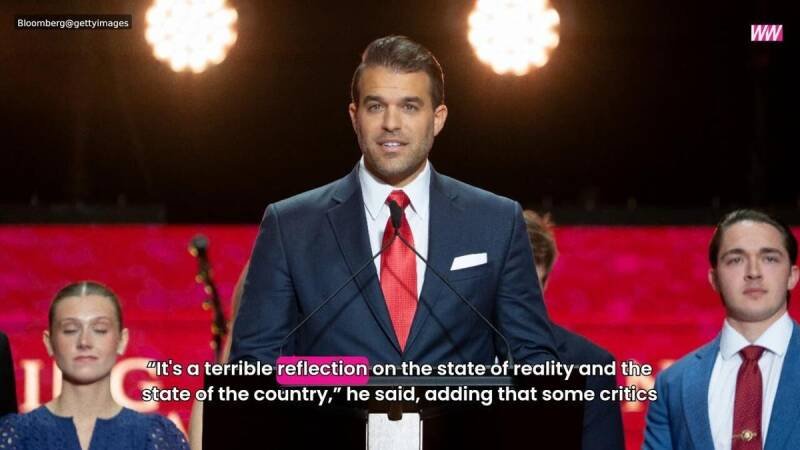
The presence of cameras in courtrooms is a topic that has sparked debate for decades. From the sensational Lindbergh kidnapping trial of the 1930s to more recent cases involving figures like Charlie Kirk, the issue of allowing cameras into courtrooms consistently raises questions about transparency, fairness, and the potential for media sensationalism.
The debate isn't new. The Lindbergh baby kidnapping trial in 1935 is often cited as a key turning point. The intense media scrutiny and the perceived circus-like atmosphere surrounding the trial led to restrictions on cameras in many courtrooms. However, over time, there has been a gradual push for greater access, arguing that it promotes transparency and accountability within the judicial system.
The debate over cameras in courtrooms is crucial because it touches upon fundamental principles of our legal system. It involves balancing the public's right to know and witness legal proceedings against the rights of defendants to a fair trial and the potential for cases to be unfairly influenced by public opinion. This isn't just about entertainment; it's about the integrity of justice.
Proponents of courtroom cameras argue that they offer several benefits. They allow the public to directly observe the judicial process, fostering trust and understanding. Cameras can also deter misconduct by judges, lawyers, and witnesses, as their actions are subject to public scrutiny. Furthermore, in an era of declining trust in institutions, increased transparency can help rebuild confidence in the legal system.
However, the potential drawbacks are significant. The presence of cameras can create a media circus, potentially influencing jurors and witnesses. Witnesses may be hesitant to testify truthfully, and defendants may feel pressured to act a certain way, fearing public judgment. In our opinion, the most significant risk is the potential for sensationalism, where the focus shifts from the facts of the case to the personalities and drama surrounding it.
The impact of cameras on the justice system is complex and multifaceted. While transparency is desirable, it must be balanced with the need to ensure fair trials. The key question is whether the presence of cameras ultimately helps or hinders the pursuit of justice.
For example, could cameras lead to increased grandstanding by lawyers aiming to play to the cameras instead of focusing on the legal merits of their case? We believe this is a very real possibility and could dramatically change court proceedings.
The future of cameras in courtrooms is likely to be shaped by evolving technology and changing societal expectations. As technology advances, it may be possible to mitigate some of the potential drawbacks. For example, restrictions on camera angles or the use of technology to protect the anonymity of witnesses could help reduce the risk of intimidation and sensationalism.
Several jurisdictions currently allow cameras in some courtrooms, often with specific rules and limitations. The trend appears to be towards greater access, but it's unlikely that we will see a complete and unrestricted opening of all courtrooms to cameras. The key will be finding a balance that maximizes transparency while protecting the rights of defendants and ensuring fair trials.
In our opinion, the debate over cameras in courtrooms will continue for the foreseeable future. The discussion needs to be informed by evidence-based research and a careful consideration of the potential benefits and risks. A one-size-fits-all approach is unlikely to be effective. Instead, policies should be tailored to the specific circumstances of each case and jurisdiction.
This could impact how justice is served and perceived for decades to come.