Who Should Be Your Death Doula? Choosing Comfort in Final Moments
Nicole Kidman wants to be a death doula. But who *should* be at your side during your final moments? Exploring comfort, support, and the rise of death doulas.
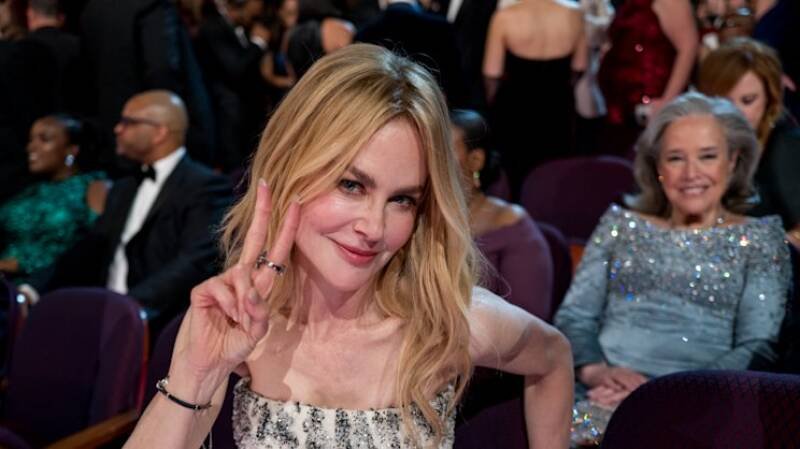



Nicole Kidman wants to be a death doula. But who *should* be at your side during your final moments? Exploring comfort, support, and the rise of death doulas.
Nicole Kidman recently expressed interest in becoming a death doula. While her intentions are admirable, it raises an important question: who *should* be by your side as life comes to a close?
A death doula, also known as an end-of-life doula, provides non-medical support to individuals and their families during the dying process. This support can include emotional, spiritual, and practical assistance. Think of them as guides, helping navigate the often-complex and emotionally challenging journey towards death.
Unlike hospice care, which focuses on medical comfort and pain management, death doulas offer a more holistic approach. They might help with:
The idea of Nicole Kidman becoming a death doula sparked a conversation about who we would want to accompany us during our final moments. The truth is, the "right" person is deeply personal. It might be a family member, a close friend, a spiritual advisor, or, indeed, a trained death doula. The key is choosing someone who brings you comfort, peace, and understanding.
This highlights a growing trend towards reclaiming death as a natural part of life, rather than a medical event to be feared and hidden away. More and more people are seeking to have a say in how they die, including who is present and what kind of support they receive.
This news touches on a fundamental aspect of the human experience: death. It prompts us to consider our own mortality and the type of support we would want during our final moments. It also raises awareness about the role of death doulas and the growing movement towards a more death-positive culture.
Ignoring the topic of death doesn't make it go away. Openly discussing our wishes and preferences can provide comfort and peace of mind, both for ourselves and our loved ones.
The fact that a celebrity like Nicole Kidman is considering becoming a death doula signals a shift in how society views death. It's becoming less taboo to talk about and more acceptable to actively plan for. This could be a positive development, as it encourages people to take control of their end-of-life care and to prioritize comfort and meaning in their final days.
In our opinion, the ideal death doula is someone who is compassionate, empathetic, and non-judgmental. They should be able to listen without offering unsolicited advice and to provide support without imposing their own beliefs or values. Training is beneficial but the most important qualities are compassion and respect.
However, we also recognize that death doulas are not for everyone. Some people may prefer to rely on family members, friends, or medical professionals for support. The important thing is to make informed choices that align with your personal values and preferences.
We anticipate that the demand for death doulas will continue to grow as the population ages and as more people seek alternatives to traditional medicalized approaches to death. This could lead to the development of more training programs and certification standards for death doulas, ensuring that they are qualified to provide high-quality care.
This could impact hospice and palliative care as well. Hospice may begin to integrate doulas into their teams, providing a more holistic approach to end-of-life support. The death positive movement will likely continue to gain momentum, leading to more open and honest conversations about death and dying.
Ultimately, the future of death care is about empowering individuals to make informed choices about how they want to live and die. Death doulas, and conversations like this one sparked by Nicole Kidman, play a vital role in that process.