Alan Titchmarsh's Downsizing Dilemma: A New Chapter and Gardening Challenge
Alan Titchmarsh and his wife downsize, presenting a new gardening challenge for the renowned horticulturist. Explore the implications and our analysis.
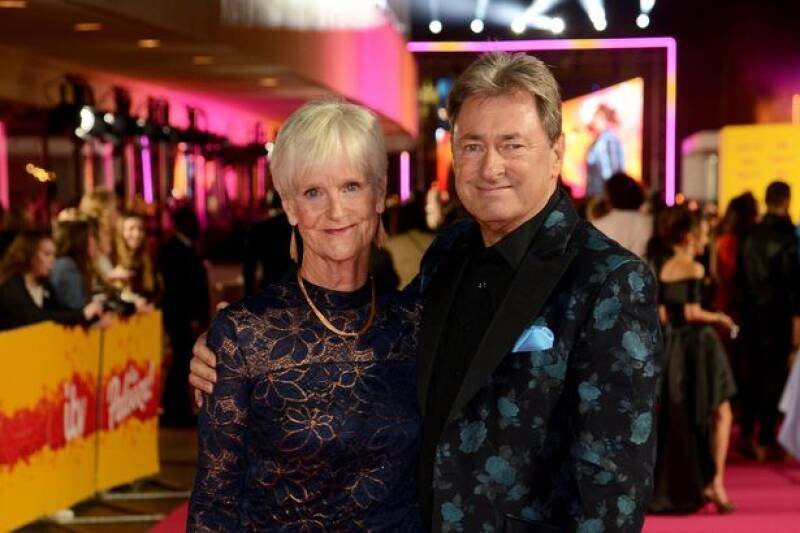



Alan Titchmarsh and his wife downsize, presenting a new gardening challenge for the renowned horticulturist. Explore the implications and our analysis.
Alan Titchmarsh, the beloved British gardener, presenter, and author, is facing a new and perhaps daunting challenge. He and his wife, Alison, have recently made the decision to leave their £3.5 million home and "downsize," marking a significant change in their lifestyle.
The move means Titchmarsh has had to leave behind his established garden, a labor of love cultivated over years. For a man whose life revolves around horticulture, this is more than just changing houses; it's essentially starting from scratch with a new patch of land.
This news resonates on several levels. Firstly, it highlights a life transition that many people face: downsizing later in life. Secondly, it humanizes a public figure like Alan Titchmarsh. Even renowned experts face everyday challenges. Finally, it offers a unique perspective on the emotional connection people have with their gardens and the effort involved in creating them.
The prospect of designing and building a new garden from the ground up, while perhaps physically demanding, is also a chance for fresh inspiration. Titchmarsh now has the opportunity to implement new ideas, experiment with different plants, and perhaps even embrace a more sustainable gardening approach. It will be interesting to see the style of the garden he develops in this new chapter.
In our opinion, this change is less of a setback and more of a chance for Titchmarsh to showcase his skills in a new context. His expertise is not limited to maintaining an existing garden; it extends to creating one from nothing. This could inspire his fans to view downsizing as an opportunity to redesign their own outdoor spaces, even if on a smaller scale.
The decision to downsize often reflects a desire for a simpler, less demanding lifestyle. Maintaining a large property and garden can become a burden as people get older. Moving to a smaller home can free up time and resources to pursue other interests. We believe this is a smart and forward-thinking decision on Titchmarsh's part.
It's important to acknowledge the emotional element involved in leaving a garden behind. Gardens become extensions of ourselves, reflecting our personalities and providing a sanctuary. This could impact Titchmarsh greatly. Leaving a space that holds so many memories and represents so much hard work can be difficult, which makes starting over a huge undertaking.
We anticipate that Titchmarsh will document his new gardening journey, possibly through television programs, books, or articles. This would provide invaluable insights and practical advice for gardeners of all levels. Furthermore, his experience may spark conversations about age-appropriate housing and the importance of outdoor spaces for well-being.
This situation also presents an opportunity for garden design companies and nurseries. They could potentially collaborate with Titchmarsh on his new garden, showcasing their products and expertise to a wide audience. This could lead to increased sales and brand awareness for participating businesses. We expect to see collaborations emerge over the next year.
Ultimately, Alan Titchmarsh's downsizing adventure presents a new chapter filled with challenges and opportunities. While leaving behind a beloved garden is undoubtedly a significant change, it also opens the door to fresh inspiration, new designs, and valuable lessons for gardeners everywhere. We look forward to following his journey and seeing what he creates in his new space.