Northwest Indiana Steel Industry: Past, Present, and Future
Explore the legacy of the steel industry in Northwest Indiana, its impact on America's growth, and the challenges and opportunities it faces today.
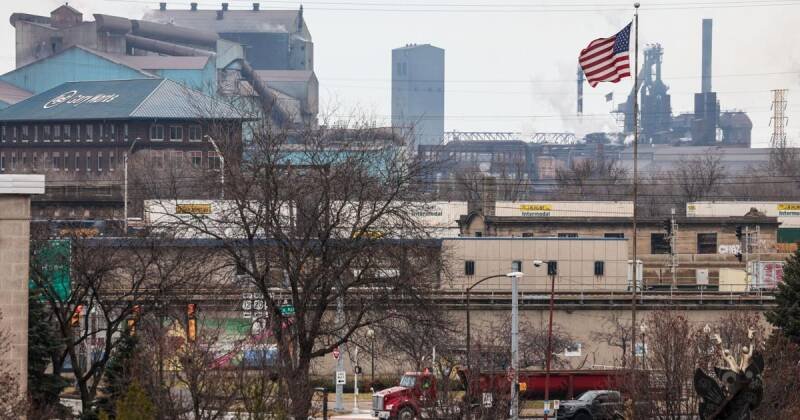



Explore the legacy of the steel industry in Northwest Indiana, its impact on America's growth, and the challenges and opportunities it faces today.
For generations, the roar of steel mills has been synonymous with Northwest Indiana. The region's rich industrial heritage is deeply intertwined with the nation's growth, with steel produced here laying the foundation for railroads, automobiles, skyscrapers, and countless other critical infrastructure projects.
Northwest Indiana, bordering Lake Michigan, became a steelmaking powerhouse due to its strategic location. Access to iron ore from the Great Lakes region, coupled with proximity to major transportation networks, made it ideal for large-scale steel production. Companies like US Steel established massive operations, drawing in workers from across the country and transforming the landscape into a bustling industrial hub.
The region's steel mills weren't just factories; they were the lifeblood of entire communities. Generations of families found employment in the mills, building lives and contributing to the economic prosperity of the area. The steel industry fueled local businesses, schools, and infrastructure, creating a strong sense of community identity.
Understanding the history of the steel industry in Northwest Indiana is crucial for several reasons. First, it provides valuable context for the region's current economic landscape. The decline of the steel industry has had a significant impact on local communities, leading to job losses and economic hardship. Recognizing this history helps us understand the challenges facing the region today.
Second, the story of Northwest Indiana's steel industry offers lessons about the rise and fall of American manufacturing. It highlights the importance of innovation, adaptation, and workforce development in a rapidly changing global economy. Examining the factors that contributed to the industry's decline can inform strategies for revitalizing manufacturing in other regions of the country.
Finally, the steel industry's legacy is a reminder of the vital role that infrastructure plays in national development. The steel produced in Northwest Indiana helped build the America we know today, underscoring the need for continued investment in infrastructure to support future economic growth.
The steel industry in Northwest Indiana, while still present, is not what it once was. Factors such as globalization, automation, and changing market demands have led to significant downsizing and restructuring. In our opinion, the region needs to proactively diversify its economy to reduce its reliance on traditional manufacturing.
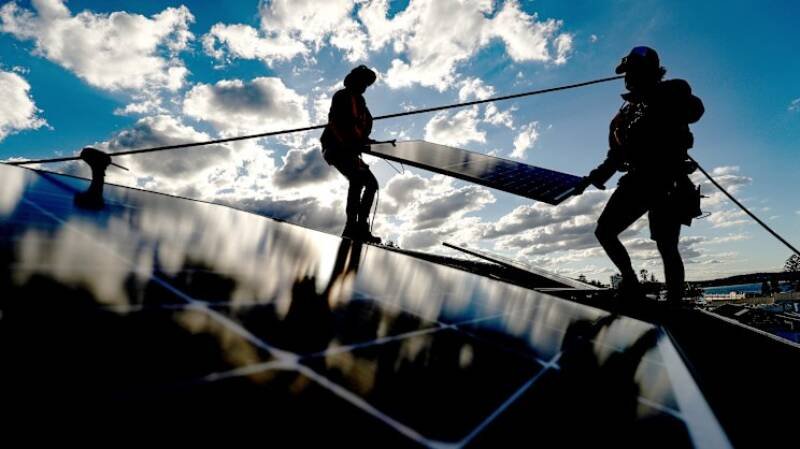
The area has started diversifying into logistics, healthcare, and renewable energy. This could impact the regions long term economic stability.
The decline of the steel industry has also raised concerns about the environment. Legacy pollution from steel mills poses a threat to the Great Lakes and surrounding ecosystems. Addressing these environmental challenges will require significant investment and collaboration between government, industry, and community stakeholders.
The future of the steel industry in Northwest Indiana is uncertain, but there are opportunities for revitalization. Investing in advanced manufacturing technologies, developing a skilled workforce, and attracting new industries are crucial steps. Furthermore, focusing on sustainable steel production and addressing environmental concerns can help ensure the long-term viability of the industry.
Ultimately, the success of Northwest Indiana's economic transformation will depend on its ability to adapt to changing circumstances. By embracing innovation, fostering collaboration, and investing in its people, the region can build a more resilient and prosperous future. While the steel industry's glory days might be behind it, its legacy will continue to shape the region for generations to come. The challenge now is to build upon that legacy and create new opportunities for growth and prosperity.
While the region is unlikely to return to its peak steel production levels, targeted investments in specialized steel manufacturing and related industries could create new jobs and economic opportunities. Furthermore, the region's existing infrastructure and skilled workforce provide a strong foundation for attracting other manufacturing and logistics companies.
It's important to note that the transition away from traditional manufacturing will require significant effort and investment in retraining programs and workforce development initiatives. Helping displaced workers acquire new skills and find employment in growing industries is crucial for ensuring a smooth and equitable transition.