Prediction Markets: Risky Business or Useful Forecasting Tool?
Explore the debate around prediction markets. Are they a valuable tool for forecasting, or a dangerous form of gambling? We break down the pros, cons, and potential implications.
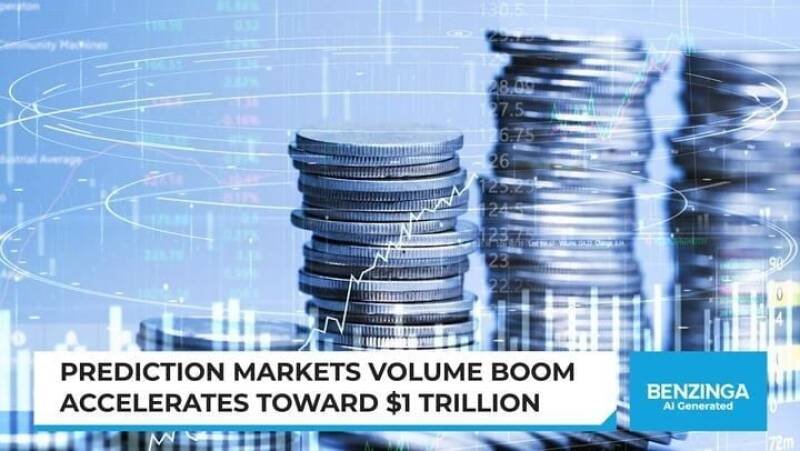



Explore the debate around prediction markets. Are they a valuable tool for forecasting, or a dangerous form of gambling? We break down the pros, cons, and potential implications.
Prediction markets, also sometimes called information markets or idea futures, operate like a stock market, but instead of trading shares of companies, participants trade contracts on the outcome of future events. Will the U.S. government confirm the existence of aliens? How many measles cases will there be this year? Will a specific political event happen? These are the types of questions people are betting on.
The appeal is that these markets aggregate the collective knowledge of participants to forecast outcomes. Proponents argue that this "wisdom of the crowd" can be more accurate than traditional polling or expert opinions.
Imagine a market predicting the winner of the next presidential election. Participants buy contracts representing a candidate's chance of winning. The price of the contract reflects the market's perceived probability of that candidate's victory. As news breaks and opinions shift, the contract prices fluctuate, offering a real-time assessment of the race. The more people betting, the more accurate the prediction is thought to be.
The debate around prediction markets centers on whether they are a valuable tool for forecasting or a thinly veiled form of gambling. This distinction is important because it affects how these markets are regulated, who can participate, and the types of information they generate. If they are deemed gambling, then restrictions will be put in place. If deemed forecasting tools, then they'll continue to operate. Understanding the dynamics of these markets is crucial for anyone interested in finance, politics, or decision-making under uncertainty.
The central tension lies in the potential for both benefits and harms. On the one hand, prediction markets could offer a more accurate way to forecast events. The Iowa Electronic Markets, for example, have a long track record of predicting election outcomes with reasonable accuracy. This can be valuable for businesses, governments, and individuals who need to make informed decisions about the future.
However, there are legitimate concerns. The potential for manipulation exists, especially in smaller markets with fewer participants. Someone with deep pockets could try to influence the market by placing large bets, regardless of their actual belief about the outcome. Also, the ethical implications of profiting from negative events, such as pandemics or natural disasters, are disturbing. In our opinion, the focus needs to be on regulation and oversight to mitigate these risks.
Critics argue that prediction markets are essentially gambling, as participants are wagering money on uncertain events. This raises concerns about addiction, financial risk, and the potential for market manipulation. If the primary motivation for participation is financial gain rather than information gathering, then it undermines the predictive power of the market.
Advocates contend that prediction markets are more than just gambling. They provide a structured mechanism for aggregating information and incentivizing accurate forecasts. Participants are rewarded for correctly predicting outcomes, which encourages them to research and analyze relevant information. This collective intelligence can be a powerful tool for understanding complex systems.
The future of prediction markets is uncertain. Increased scrutiny from regulators and concerns about ethical issues could lead to stricter regulations or even outright bans in some jurisdictions. However, the potential benefits of prediction markets as forecasting tools may also drive innovation and experimentation.
We believe that the key to unlocking the potential of prediction markets lies in responsible regulation and ethical guidelines. Transparent rules, robust monitoring, and measures to prevent manipulation are essential. Furthermore, focusing on markets that address important social and economic issues, rather than trivial or harmful events, can help to ensure that these markets are used for the greater good. This could impact decision making in many industries.