Trump's Iran Ceasefire: What It Means for Global Stability
Trump hints at ending the US-Israeli ceasefire with Iran. Understand the implications, future outlook, and expert analysis of this critical moment.




Trump hints at ending the US-Israeli ceasefire with Iran. Understand the implications, future outlook, and expert analysis of this critical moment.
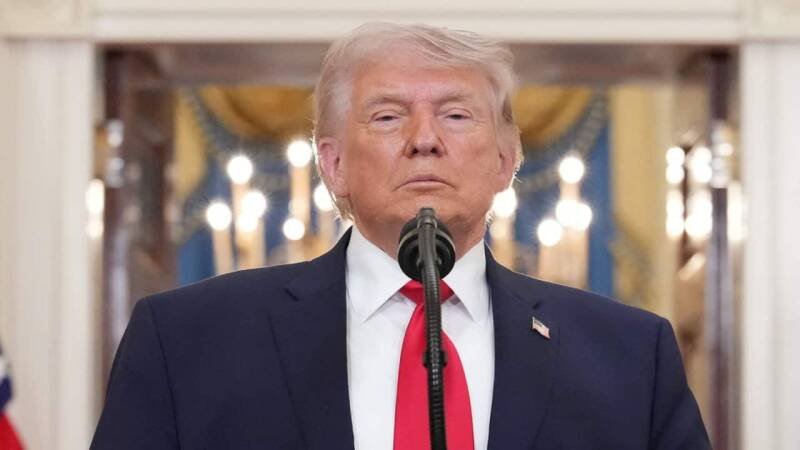
President Donald Trump recently indicated he's unlikely to extend the current ceasefire, brokered between the U.S., Israel, and Iran. This announcement throws into question the fragile peace currently maintained and raises serious concerns about renewed conflict in the Middle East. He also stated the US military was "raring to go", which adds a very concerning edge to this statement.
It's crucial to understand the context. This wasn't a formally declared war, but rather a period of de-escalation following heightened tensions, including potential Israeli covert actions against Iranian nuclear facilities and U.S. sanctions severely impacting the Iranian economy. The "ceasefire," though unofficial, represented a tacit agreement to avoid direct military confrontation, opting instead for diplomatic maneuvering and proxy conflicts.
The expiration of this "ceasefire" has huge implications:
In our opinion, Trump's tough rhetoric is a calculated move, playing on the pressure Iran. It could be a tactic to extract concessions in any future negotiations, perhaps a return to a revised version of the nuclear deal. It's also politically charged, potentially aiming to rally support domestically.
However, this strategy carries enormous risks. Miscalculation or miscommunication could easily trigger a chain of events leading to unintended escalation. Trump's statement about the US military being "raring to go" is particularly alarming. This could be perceived as overly aggressive and further harden Iran's stance, leaving no room for diplomatic solutions.
The immediate future is uncertain. Several scenarios are possible:
The actions of other nations will be critical. European countries, China, and Russia all have a vested interest in maintaining stability in the Middle East and could play a crucial role in mediating between the parties. The United Nations also has a responsibility to facilitate dialogue and prevent further escalation.
Sanctions have crippled the Iranian economy, and further conflict would only exacerbate the situation. This economic pressure could, paradoxically, make Iran more desperate and prone to risk-taking, or conversely, force them to seek a diplomatic resolution.
In our view, the coming weeks will be critical. De-escalation is paramount. All parties need to exercise restraint and prioritize diplomatic solutions to avoid a catastrophic outcome. This could impact global oil supplies, and in turn, the cost of living for millions.