Okanagan Nations, MLA Joan Phillip Win DRIPA Battle: What It Means for BC
The BC government backs down on proposed DRIPA changes after strong opposition from Okanagan Nations and MLA Joan Phillip. Understand the implications and what's next.



The BC government backs down on proposed DRIPA changes after strong opposition from Okanagan Nations and MLA Joan Phillip. Understand the implications and what's next.
In a significant victory for Indigenous rights, the British Columbia government has announced it will not be proceeding with proposed changes to the Declaration on the Rights of Indigenous Peoples Act (DRIPA). This decision comes after strong opposition from Okanagan Nations and staunch advocacy from MLA Joan Phillip.
DRIPA, enacted in 2019, is a landmark piece of legislation in BC. It aims to align provincial laws with the United Nations Declaration on the Rights of Indigenous Peoples (UNDRIP). Essentially, it's about recognizing and upholding the inherent rights of Indigenous peoples in BC, including self-determination and land rights.
The BC government, led by Premier David Eby, had considered making amendments to DRIPA. While the specific details of these proposed changes weren't explicitly released, they sparked immediate concern among Indigenous communities and advocates. The fear was that any changes could weaken the protections and rights that DRIPA was designed to provide.
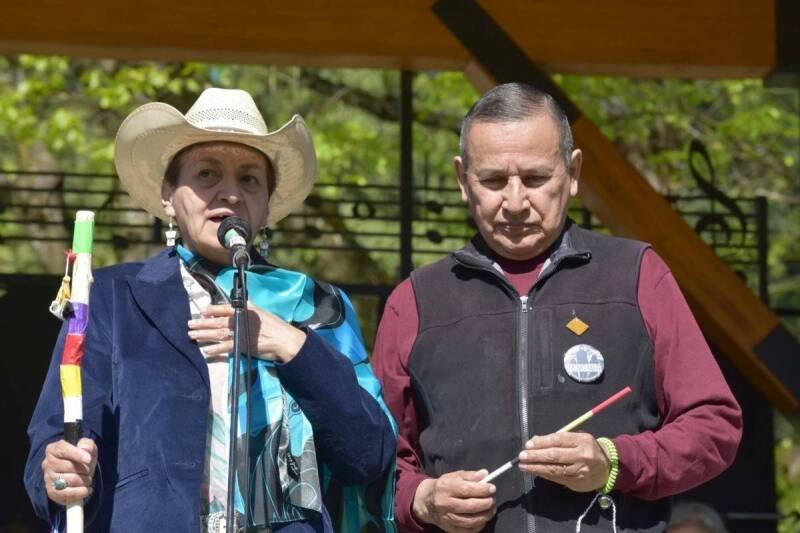
MLA Joan Phillip, representing the riding of Vancouver-Mount Pleasant, became a vocal champion for maintaining DRIPA in its current form. Coming from an Indigenous background herself, her voice resonated strongly. Okanagan Nations also voiced their strong disapproval, emphasizing the importance of respecting Indigenous sovereignty and treaty rights.
The pressure from Indigenous communities and vocal leaders like Phillip ultimately led the Eby government to reconsider. They have now stated that no changes will be tabled at this time, signaling a retreat from their initial plans.
This isn't just about a single piece of legislation; it's about the ongoing process of reconciliation between the BC government and Indigenous peoples. DRIPA represents a commitment to uphold Indigenous rights and move towards a more equitable and just society. Any perceived weakening of DRIPA would have been a major setback, damaging trust and hindering progress on key issues like land management, resource development, and social justice.
Moreover, this situation highlights the power of Indigenous voices. The strong and unified stance taken by Okanagan Nations and the dedicated advocacy of MLA Joan Phillip demonstrates that Indigenous communities can effectively influence government policy when they stand together.
In our opinion, the BC government's initial consideration of DRIPA changes reflects a potential disconnect between stated intentions and actual implementation. While the government claims to be committed to reconciliation, actions like this raise questions about the depth of that commitment.
This situation also underscores the complexity of implementing DRIPA. Translating broad principles of Indigenous rights into concrete legal frameworks is a challenging process, requiring ongoing dialogue, consultation, and a willingness to compromise on all sides.
The government's backdown is, however, a positive sign. It demonstrates that they are responsive to Indigenous concerns and willing to adjust course when necessary. This could impact future relationships between the government and Indigenous groups by creating a more collaborative and respectful environment.
While the immediate threat to DRIPA has been averted, the underlying issues remain. The BC government must now focus on building stronger relationships with Indigenous communities and engaging in meaningful consultation on any future policy changes that could affect their rights.
We anticipate that the implementation of DRIPA will continue to be an ongoing process, with challenges and setbacks along the way. However, the outcome of this recent controversy provides a valuable lesson: Indigenous voices matter, and their rights must be respected. It's crucial for the government to create a transparent and collaborative framework where Indigenous communities can participate in shaping policies that affect their lives and futures.
Specifically, we believe the government should:
Ultimately, the success of DRIPA depends on a genuine commitment to partnership and respect for Indigenous sovereignty.