Okanagan Nations Stand Strong: DRIPA Debate Resolved, What it Means
The BC government backtracks on DRIPA amendments after opposition from Okanagan Nations and MLA Joan Phillip. Learn why this matters and what's next.



The BC government backtracks on DRIPA amendments after opposition from Okanagan Nations and MLA Joan Phillip. Learn why this matters and what's next.
In a significant victory for Indigenous rights and self-determination, the British Columbia provincial government has announced that it will no longer be pursuing proposed amendments to the Declaration on the Rights of Indigenous Peoples Act (DRIPA). This decision comes after strong opposition from Okanagan Nations, particularly fueled by the advocacy of MLA Joan Phillip. The initial plan to table changes sparked considerable concern within Indigenous communities who feared it would weaken the Act and undermine their inherent rights.
DRIPA is a crucial piece of legislation in BC, enacted to align provincial laws with the United Nations Declaration on the Rights of Indigenous Peoples (UNDRIP). UNDRIP recognizes the basic human rights and fundamental freedoms of Indigenous peoples, including the right to self-determination, the right to their lands, territories and resources, and the right to maintain and strengthen their distinct political, legal, social, economic, and cultural institutions. DRIPA is meant to provide a framework for reconciliation and a pathway for shared decision-making between the government and Indigenous communities.
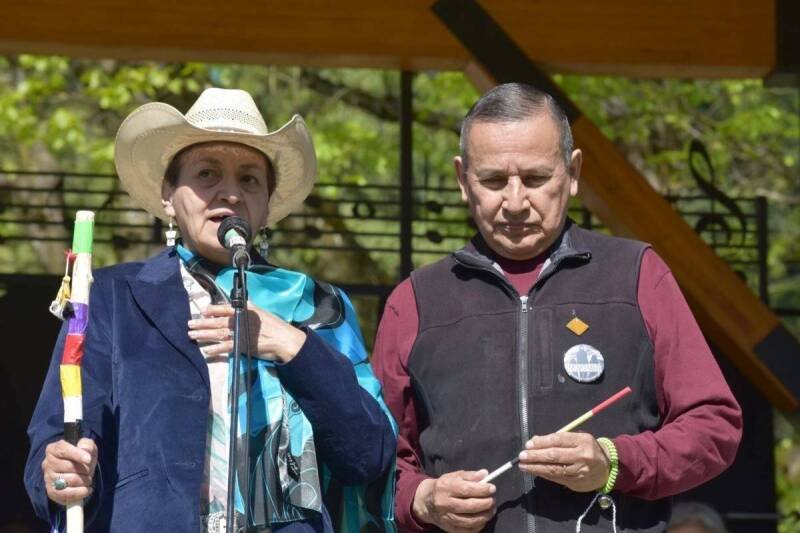
The Okanagan Nations, including the Syilx Okanagan Nation, have been vocal in their defense of the original DRIPA legislation. MLA Joan Phillip, representing Vancouver-Mount Pleasant, played a key role in amplifying these concerns within the legislative assembly. Her advocacy, rooted in her lived experience and deep understanding of Indigenous law, helped to bring the issue to the forefront and pressure the government to reconsider its proposed amendments.
The initial proposal to alter DRIPA was met with apprehension. Indigenous communities worried that changes could potentially weaken the obligations of the province to consult and accommodate Indigenous rights during project development and policy making. These concerns resonated deeply, leading to widespread calls for the government to maintain the integrity of the original legislation.
This decision is a victory for Indigenous self-determination and the ongoing process of reconciliation in British Columbia. It underscores the importance of meaningful consultation with Indigenous communities on matters that directly affect their rights and interests. The government's decision to backtrack demonstrates the power of collective advocacy and the vital role of Indigenous leaders in shaping provincial policy.
This is also important because it could set a precedent for future interactions between the BC government and Indigenous communities. It reinforces that Indigenous voices must be heard and respected when it comes to legislation impacting their rights and well-being.
In our opinion, the BC government's initial move to consider DRIPA amendments reflects a potential disconnect between stated reconciliation goals and practical implementation. While the government claimed the changes were intended to clarify the Act, the lack of sufficient consultation and the inherent mistrust stemming from historical injustices led to understandable concerns.
The swift response from Okanagan Nations and the support from figures like MLA Joan Phillip highlights the increasing political strength and sophistication of Indigenous communities in advocating for their rights. This victory demonstrates that coordinated action and a unified voice can effectively challenge government policies that threaten Indigenous self-determination.
Moving forward, this situation underscores the need for a more collaborative and transparent approach to legislative development that impacts Indigenous communities. This includes robust consultation processes, meaningful engagement, and a genuine commitment to upholding the spirit and intent of DRIPA.
This could impact future project development. It is likely that proponents of resource extraction projects and infrastructure developments will need to be even more proactive in their engagement with Indigenous communities to ensure their projects align with DRIPA and respect Indigenous rights. This could mean longer timelines for project approvals and potentially higher costs associated with thorough consultation and accommodation measures.
Specifically, some potential future actions might include:
Ultimately, this situation serves as a reminder that reconciliation is an ongoing process that requires constant dialogue, mutual respect, and a genuine commitment to upholding the rights of Indigenous peoples.