Ontario & Quebec Floods: Rain Intensifies Sandbag Efforts & Raises Concerns
Heavy rains are exacerbating flood conditions in Ontario and Quebec. Learn about the current situation, why it matters, our analysis, and the future outlook.



Heavy rains are exacerbating flood conditions in Ontario and Quebec. Learn about the current situation, why it matters, our analysis, and the future outlook.
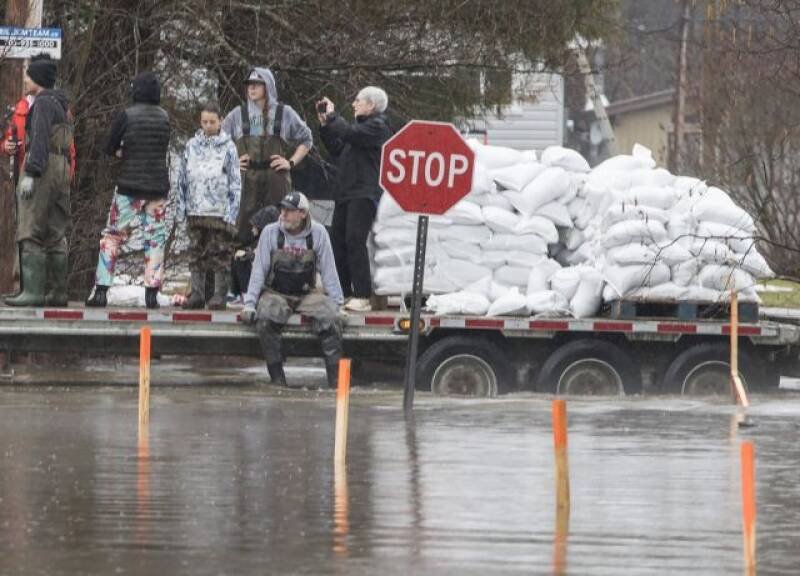
Communities across Ontario and Quebec are working tirelessly to protect their homes and businesses as heavy rainfall threatens to worsen already severe flooding. Residents are filling sandbags, authorities are closing bridges and roads, and emergency services are stretched thin as they respond to the growing crisis. The immediate focus is on minimizing damage and ensuring the safety of those living in flood-prone areas.
With more rain predicted, communities have opened sandbag-filling stations, providing residents with the resources they need to protect their properties. Volunteers are working around the clock, demonstrating a remarkable spirit of community resilience in the face of adversity. However, the sheer scale of the flooding is testing the limits of these efforts.
The relentless rainfall has caused significant damage to infrastructure. Roads have been washed out, bridges closed, and power outages reported in several areas. This disruption is not only impacting residents but also hindering emergency response efforts. Repairing this damaged infrastructure will be a long and costly process.
This flooding has immediate and far-reaching consequences. Beyond the immediate displacement and damage to homes and businesses, there are economic and environmental implications. Local economies are suffering as businesses are forced to close, and the cost of repairs will burden taxpayers. Environmentally, the flooding can spread pollutants and damage ecosystems.
Moreover, these events highlight the increasing vulnerability of communities to extreme weather events, particularly in regions with aging infrastructure. It prompts a crucial conversation about climate change adaptation and the need for proactive measures to mitigate future risks.
In our opinion, the situation in Ontario and Quebec underscores a critical need for improved flood management strategies. Relying solely on reactive measures like sandbagging is not a sustainable solution. Governments need to invest in infrastructure upgrades, improve drainage systems, and implement comprehensive land-use planning that considers flood risks.
Furthermore, greater collaboration between federal, provincial, and municipal governments is essential to coordinate response efforts and ensure resources are allocated effectively. Improved communication and early warning systems are also crucial to allow residents to prepare for impending floods.
This could impact insurance rates, property values, and future development in affected areas. We believe that transparency and open communication from authorities are essential during this challenging time.
The immediate priority is managing the current flooding and supporting affected communities. However, looking ahead, several key questions need to be addressed:
The answers to these questions will shape the long-term resilience of Ontario and Quebec in the face of a changing climate. A proactive and comprehensive approach is essential to protect communities and ensure a sustainable future.
The psychological impact on residents should not be understated. Experiencing a flood can be incredibly traumatic, leading to long-term stress, anxiety, and mental health challenges. Adequate mental health support and resources should be made available to those affected.
Ultimately, the floods in Ontario and Quebec serve as a stark reminder of the urgent need to address climate change and build more resilient communities. The lessons learned from this crisis must inform future planning and investment decisions to ensure that we are better prepared for the challenges ahead.