Latin American Teens and Social Media: A Public Health Challenge?
New research suggests intense social media use by Latin American teens could be impacting their mental health, raising concerns for schools, families, and governments.
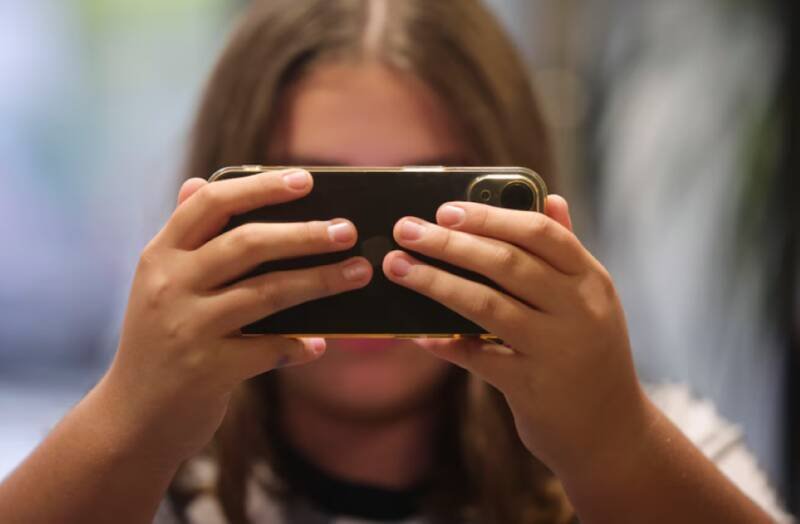



New research suggests intense social media use by Latin American teens could be impacting their mental health, raising concerns for schools, families, and governments.
A recent report highlights a growing concern in Latin America: the intense engagement of teenagers with social media and its potential impact on their mental and emotional well-being. This isn't just about kids spending too much time online; it's about the potential for these platforms to shape attention spans, influence emotional development, and even mold identities. If this is true, schools, families, and even governments across Latin America may need to prepare for a significant public health challenge.
Latin American adolescents are known for their high social media usage. They use platforms like TikTok, Instagram, and Facebook to connect with friends, consume content, and express themselves. This heightened engagement means they are exposed to a constant stream of information, trends, and social pressures. It's a hyper-connected world where likes and followers can feel like the ultimate measures of success and acceptance.
This news matters because it suggests a potentially significant shift in the way young people develop in Latin America. If social media is indeed impacting core aspects of their cognitive and emotional development, it could have far-reaching consequences. This includes:
These are serious issues that could affect the future generation's health, productivity, and overall quality of life. It's a call for awareness and action from various stakeholders.
In our opinion, the concerns raised by this report are valid and warrant serious attention. The sheer volume of time spent online by young people, coupled with the addictive nature of many social media platforms, creates a perfect storm for potential harm. Algorithms designed to maximize engagement can often expose users to harmful content or reinforce negative thought patterns.
Furthermore, the lack of digital literacy education in many Latin American countries leaves teenagers vulnerable. They may not be aware of the risks associated with excessive social media use or know how to protect themselves online. The pressure to maintain a perfect online persona can also be immense, leading to feelings of inadequacy and isolation. This could impact self-esteem and even lead to mental health problems.
The future depends on proactive interventions. Here's what we think needs to happen:
The solution isn't to ban social media entirely, but rather to promote a healthy and balanced approach to its use. By fostering critical thinking, promoting digital wellbeing, and providing adequate support, we can help Latin American teenagers navigate the digital world safely and thrive in the long run. It is time that we start paying attention to this emerging problem.