Ayurveda for Parkinson's Disease (Kampavata): A Natural Treatment Approach
Explore how Ayurveda, specifically Panchakarma, addresses Parkinson's disease (Kampavata) with natural treatments and holistic wellness strategies. Learn about the potential benefits and future outlook.
Treating Parkinson's Disease (Kampavata) with Ayurveda: A Natural Approach
Parkinson's disease, known as Kampavata in Ayurveda, is a progressive neurological disorder that affects movement. While modern medicine focuses on managing symptoms, Ayurveda offers a holistic approach to address the root causes and improve the quality of life for those affected. This involves specific therapies like Panchakarma, dietary changes, and lifestyle modifications.
Understanding Kampavata: The Ayurvedic Perspective
In Ayurveda, Kampavata is understood as an imbalance of Vata dosha, one of the three fundamental energies that govern the body. This imbalance primarily affects the nervous system, leading to tremors (Kampa), rigidity, slowness of movement (Akinesia), and postural instability. The Ayurvedic approach aims to restore balance and rejuvenate the nervous system.
Panchakarma: A Key Component of Ayurvedic Treatment
Panchakarma, a series of detoxification and rejuvenation therapies, is a cornerstone of Ayurvedic treatment for Kampavata. These therapies aim to eliminate accumulated toxins (ama) from the body and restore the natural balance of the doshas. Common Panchakarma procedures used for Kampavata include:
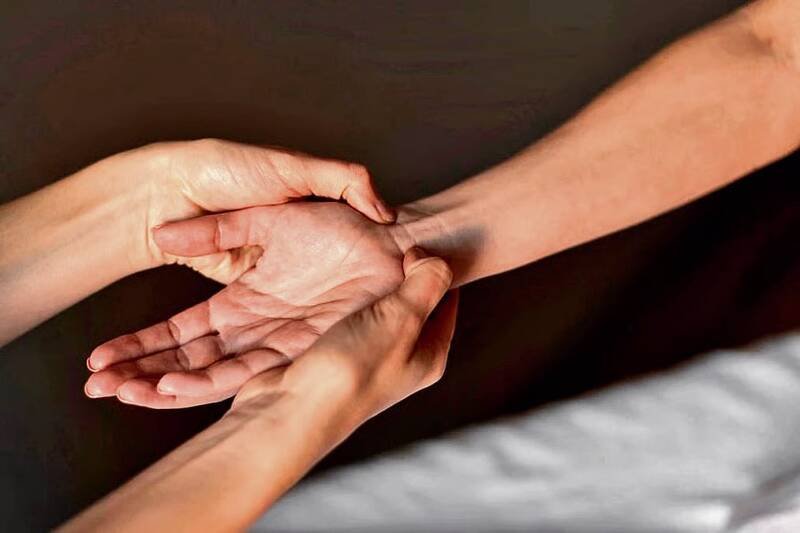
- Abhyanga: Therapeutic oil massage to pacify Vata and nourish the nervous system.
- Shirodhara: Continuous pouring of medicated oil on the forehead to calm the mind and reduce stress.
- Basti: Medicated enemas to cleanse the colon and balance Vata dosha.
- Nasya: Administration of herbal oils through the nasal passages to clear the sinuses and improve neurological function.
Dietary and Lifestyle Recommendations
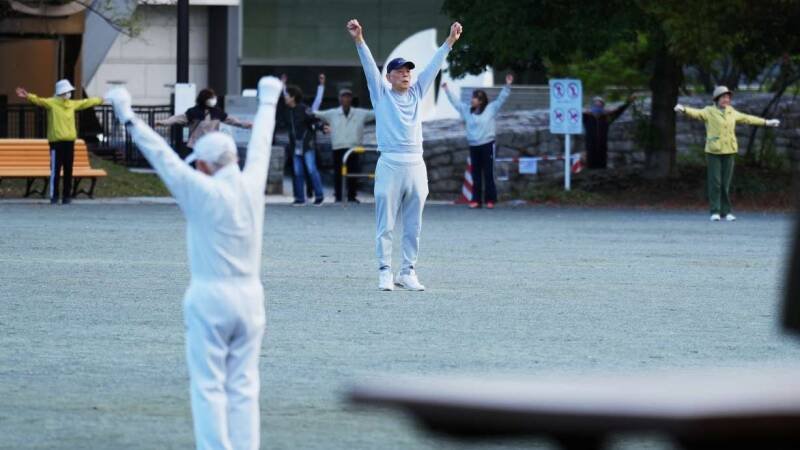
Alongside Panchakarma, Ayurveda emphasizes the importance of diet and lifestyle adjustments. A Vata-pacifying diet, consisting of warm, cooked foods, healthy fats, and grounding spices, is recommended. Regular exercise, yoga, meditation, and stress management techniques are also crucial for managing symptoms and improving overall well-being.
Why This News Matters
This news highlights the potential of Ayurveda as a complementary or alternative approach to managing Parkinson's disease. While not a cure, Ayurvedic treatments like Panchakarma and lifestyle adjustments may offer relief from symptoms, improve quality of life, and potentially slow down the progression of the disease. This offers hope for patients seeking alternative or integrative approaches to their healthcare.
Our Analysis
In our opinion, the Ayurvedic approach to Kampavata offers a valuable perspective on treating Parkinson's disease. By focusing on restoring balance within the body and addressing the root causes of the condition, Ayurveda may provide benefits that go beyond symptom management. However, it's crucial to consult with a qualified Ayurvedic practitioner to determine the most appropriate treatment plan and to integrate it safely with conventional medical care.
The emphasis on individualized treatment is also key. Ayurveda recognizes that each person is unique and requires a tailored approach. This contrasts with the often standardized protocols of modern medicine, and this personalization could be highly beneficial for managing the complexities of Parkinson's.
Future Outlook
The future of Ayurvedic treatment for Parkinson's disease looks promising. With increasing research and clinical trials, we can gain a better understanding of the efficacy and safety of Ayurvedic interventions. This could lead to the integration of Ayurvedic principles into mainstream healthcare and provide patients with more comprehensive treatment options.
This could impact the way Parkinson's is managed globally. Increased awareness and acceptance of Ayurveda could lead to more funding for research and the development of standardized Ayurvedic protocols for Kampavata. Furthermore, this holistic approach might inspire a shift in perspective, encouraging healthcare providers to consider the interconnectedness of mind, body, and spirit in treating chronic conditions. Ultimately, this integrated approach could improve the lives of countless individuals living with Parkinson's disease.












![Karapadi Health Camp: A Lifeline After Months of Need | [Your Publication Name]](https://globalnewstoday.live/uploads/news/news_1777234516_Lb87XY.jpg)