Giant Sequoias Under Threat: Wildfires Decimate Ancient Trees, Urgent Action Needed
Wildfires have killed nearly 20% of the world's giant sequoias. Learn about the devastating impact, the rescue efforts underway, and what the future holds for these majestic trees.
Giant Sequoias in Peril: Wildfires Threaten Ancient Giants
Giant sequoias, the awe-inspiring trees that can live for over 3,000 years and reach heights of nearly 300 feet, are facing an unprecedented threat. In recent years, devastating wildfires in California have killed nearly 20% of the world's giant sequoias, raising serious concerns about the long-term survival of this iconic species.
The Scale of the Destruction
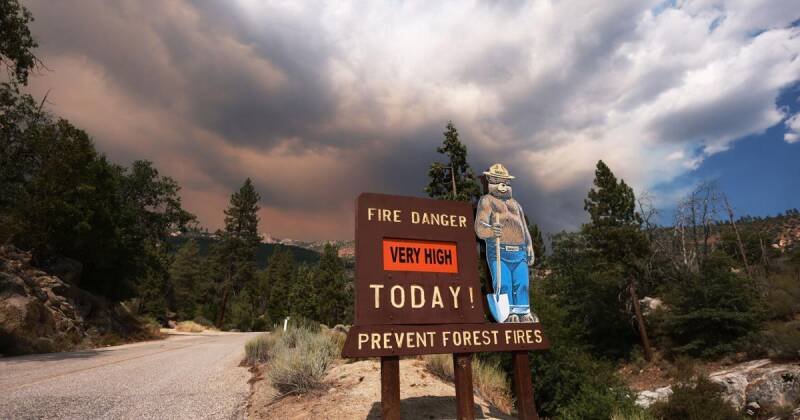
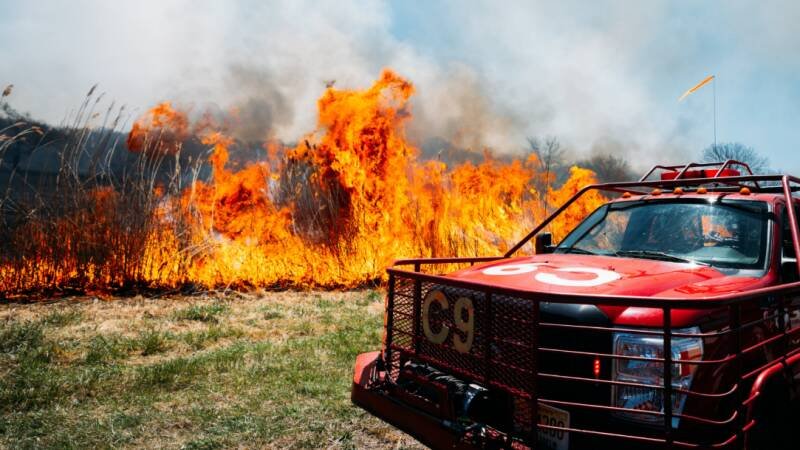
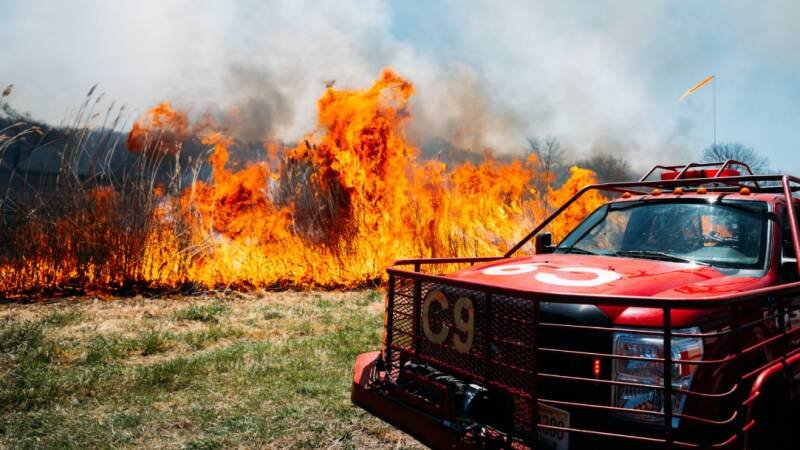
Just five years ago, the unthinkable happened: wildfires ripped through sequoia groves in the Sierra Nevada mountains. These fires, fueled by climate change, drought, and overgrown forests, proved to be far more destructive than historical fires. They burned so intensely and high into the tree canopy that they killed even the most mature and fire-resistant sequoias.
The losses have been staggering. Thousands of these magnificent trees, some of which were seedlings when the Roman Empire was at its peak, are now gone. The visual impact is heart-wrenching, and the ecological consequences are far-reaching.
Why This News Matters
The death of so many giant sequoias is more than just an environmental tragedy; it's a wake-up call. These trees are a symbol of resilience and longevity, and their demise highlights the devastating effects of climate change and unsustainable forest management practices. It also shows the importance of protecting biodiverse habitats.
- Ecological Impact: Giant sequoias play a crucial role in their ecosystems, providing habitat for countless species and influencing water cycles. Their loss disrupts these delicate balances.
- Climate Change Indicator: The vulnerability of giant sequoias to intense wildfires underscores the urgent need to address climate change. What is happening to these trees, could happen to our planet.
- Irreplaceable Loss: These trees are irreplaceable on a human timescale. Losing them diminishes the planet's natural heritage.
Our Analysis
In our opinion, the primary drivers of this crisis are climate change and the accumulation of fuels in the forests. Years of fire suppression have led to dense undergrowth, creating conditions ripe for catastrophic wildfires. The increasing frequency and intensity of droughts, exacerbated by climate change, further weaken the trees and make them more susceptible to fire damage.
The current approach, while valiant, may not be enough. Active forest management, including prescribed burns and thinning, is crucial to reduce fuel loads and create more resilient forests. But this needs to happen on a larger scale and with more resources.
Future Outlook
The future of giant sequoias hangs in the balance. Without significant changes in forest management and aggressive action on climate change, we risk losing even more of these magnificent trees. Here's what the future might hold:
- Increased Fire Risk: Climate change will likely lead to more frequent and intense wildfires, further threatening sequoia groves.
- Conservation Efforts: Increased resources and innovative strategies are needed to protect remaining sequoias, including:
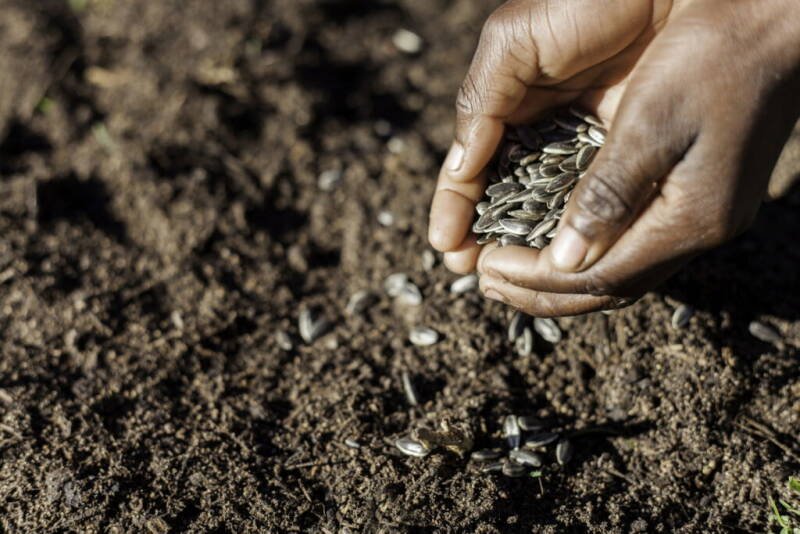
- Seed collection and propagation
- Prescribed burns to reduce fuel loads
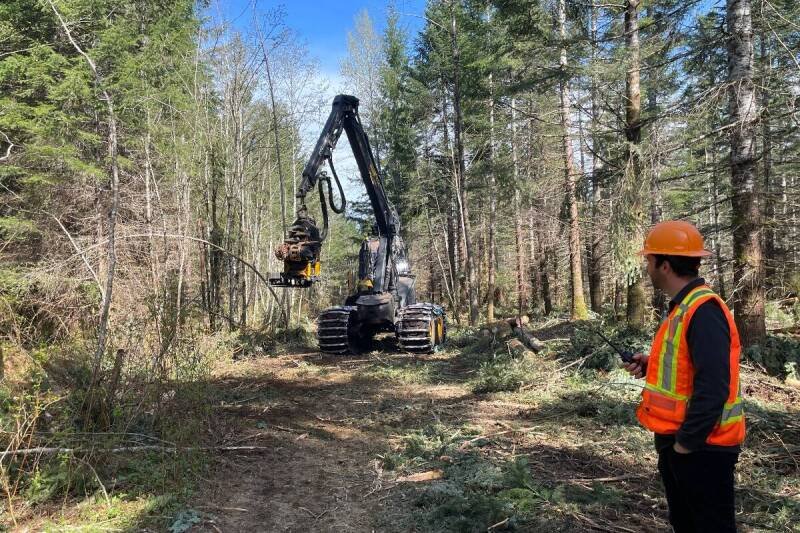
- Thinning dense forests
- Increased monitoring of tree health
- Adaptive Management: We need to adapt our management strategies as the climate continues to change. This could include assisted migration, moving seeds to higher elevations or cooler climates where they have a better chance of survival.
This situation highlights the need for urgent action. It demands a collaborative effort between government agencies, scientists, conservation organizations, and the public to protect these irreplaceable giants for future generations. It's crucial to advocate for policies that address climate change and support sustainable forest management. The fate of the giant sequoias, and potentially many other species, depends on it.