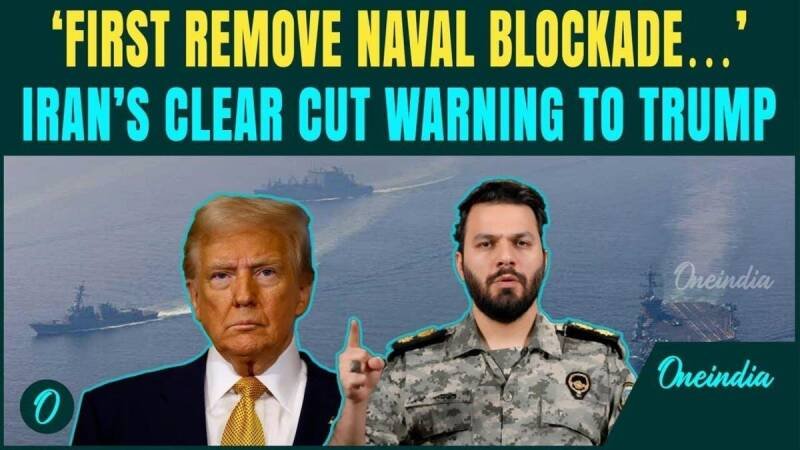
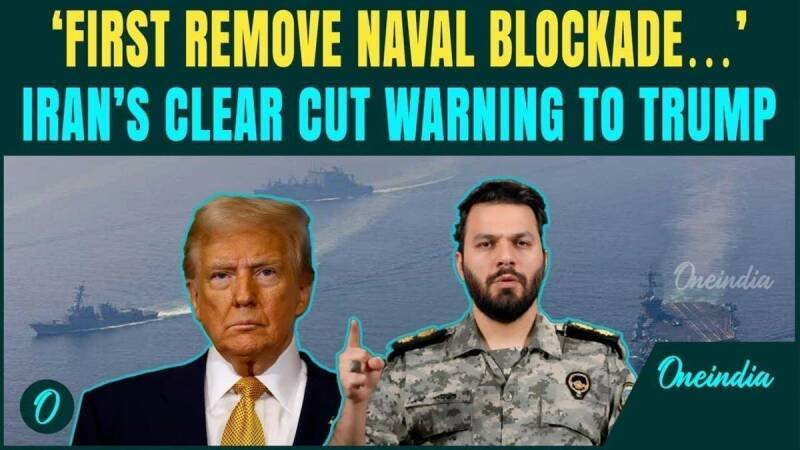
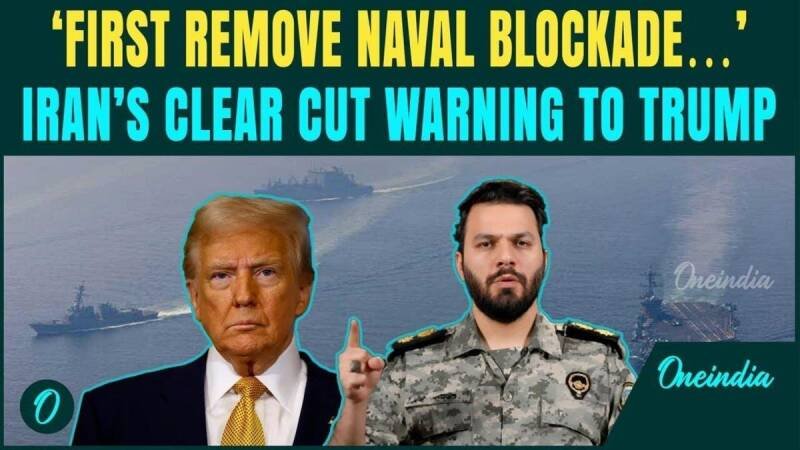
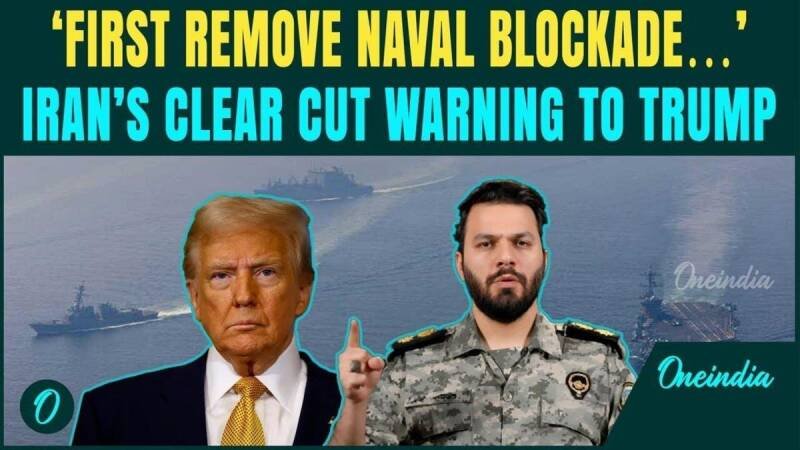
US Military Seizes Iranian Ship & Iran Rejects US Peace Talks: What It Means
The US military seized an Iranian ship carrying illegal cargo. Iran rejects peace talks with the US. Understand the implications of these events on international relations.
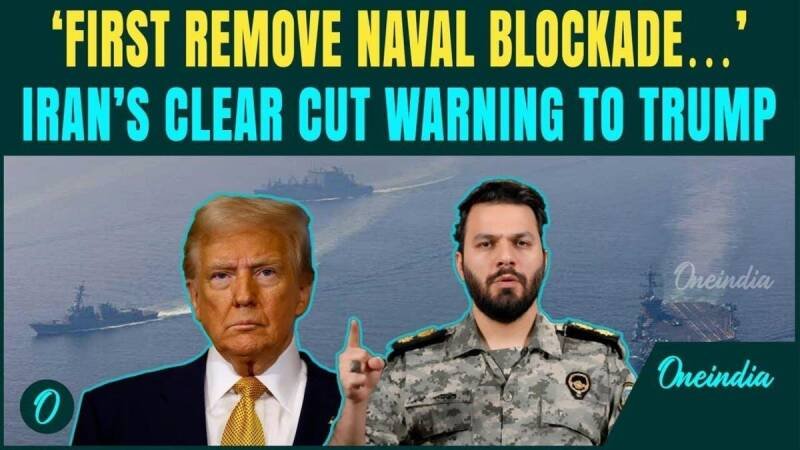



The US military seized an Iranian ship carrying illegal cargo. Iran rejects peace talks with the US. Understand the implications of these events on international relations.
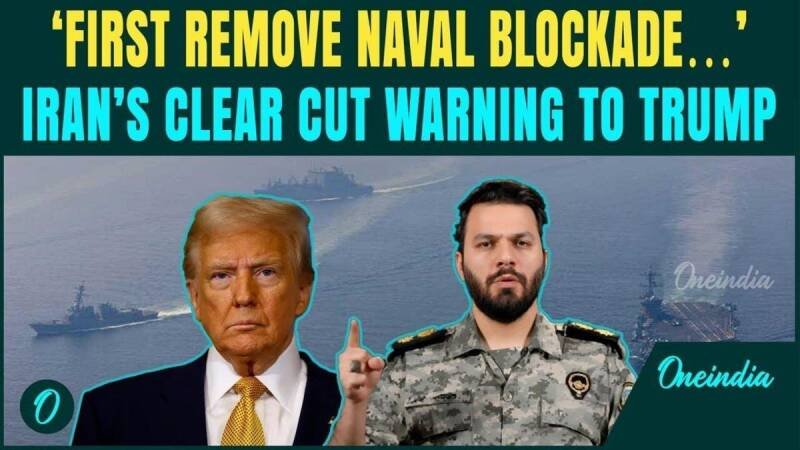
Recent reports indicate that the US military has seized an Iranian-flagged cargo ship. While details are still emerging, this action signifies heightened tensions in the region and underscores the ongoing efforts to enforce international sanctions and maritime security.
The seizure involved a cargo ship believed to be carrying illicit materials. The exact nature of the cargo remains undisclosed in initial reports, but past instances suggest these shipments often involve weapons or other goods violating international sanctions imposed on Iran.
These types of seizures are not uncommon in areas where the US Navy patrols, particularly in the Gulf of Oman and the Arabian Sea. The US Navy often interdicts vessels suspected of smuggling weapons or other prohibited items to regional actors.
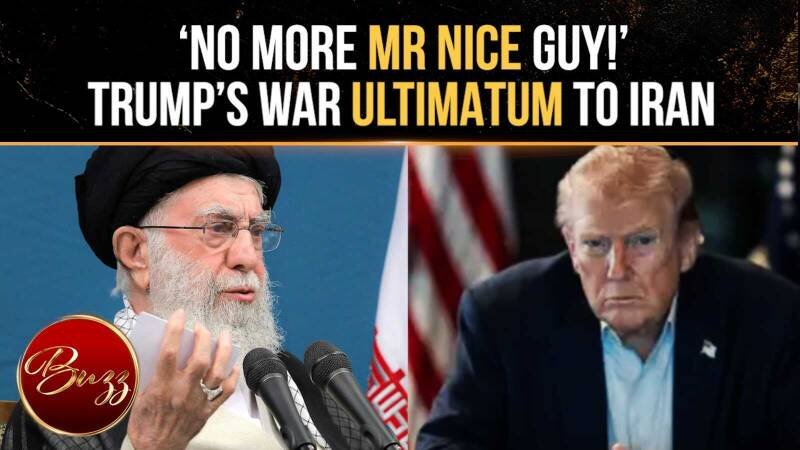
Adding another layer of complexity, Iran has rejected renewed peace talks with the United States. This rejection, reported by Iran's state news agency, came after former US President Donald Trump indicated he was sending envoys to Pakistan for potential dialogue.
This refusal highlights the deep-seated mistrust and strained relationship between the two nations, stemming from a history of political disagreements and the US withdrawal from the Iran nuclear deal.
Numerous factors contribute to the stalled negotiations. These include disagreements over nuclear programs, sanctions, and regional security concerns. Iran demands the lifting of sanctions imposed by the US before engaging in meaningful discussions. The US, in turn, seeks verifiable assurances regarding Iran's nuclear activities.
These events have significant ramifications for regional stability and international diplomacy. The seizure of the Iranian cargo ship could further escalate tensions in the Middle East, potentially leading to increased military activity or proxy conflicts. The breakdown in peace talks prolongs the existing standoff and limits opportunities for diplomatic resolution.
This situation also impacts global energy markets, given the strategic importance of the Persian Gulf for oil transit. Escalating tensions could disrupt oil supplies and lead to price volatility. The international community is watching these developments closely, hoping for a de-escalation of the situation.
In our opinion, the seizure of the cargo ship is a calculated move designed to enforce sanctions and deter Iran from engaging in activities that destabilize the region. However, such actions risk further alienating Iran and reducing the likelihood of future negotiations. This could lead to a cycle of escalation that benefits no one.
The rejection of peace talks is a setback for diplomatic efforts. It reinforces the need for a more nuanced approach to engaging with Iran, one that addresses their legitimate security concerns while also ensuring accountability for their actions. The lack of communication increases the risk of miscalculation and unintended consequences.
Looking ahead, the future remains uncertain. The key to de-escalation lies in finding a pathway for dialogue, perhaps through intermediaries or confidence-building measures. The US and Iran need to identify common ground and explore compromises that address their respective concerns. This could involve conditional sanctions relief in exchange for verifiable limits on Iran's nuclear program.
This could impact the relationship with Pakistan too. With envoys sent to facilitate, any misstep here could be interpreted badly by either nation.
Ultimately, a sustained diplomatic effort is necessary to prevent a further deterioration of relations. Without it, the risk of conflict remains high, with potentially devastating consequences for the region and the world.
Further developments should be monitored in the coming weeks and months. Look for any official statements from the US and Iranian governments, as well as any signs of renewed diplomatic activity.