US Military Seizes Iranian Ship, Iran Rejects Talks: What it Means
The US military seized an Iranian ship, and Iran rejected peace talks. Understand the implications of these events and what they mean for global stability.
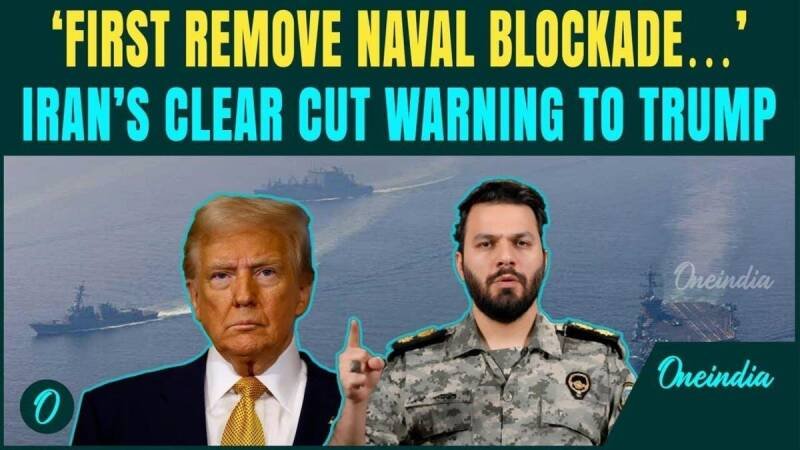



The US military seized an Iranian ship, and Iran rejected peace talks. Understand the implications of these events and what they mean for global stability.
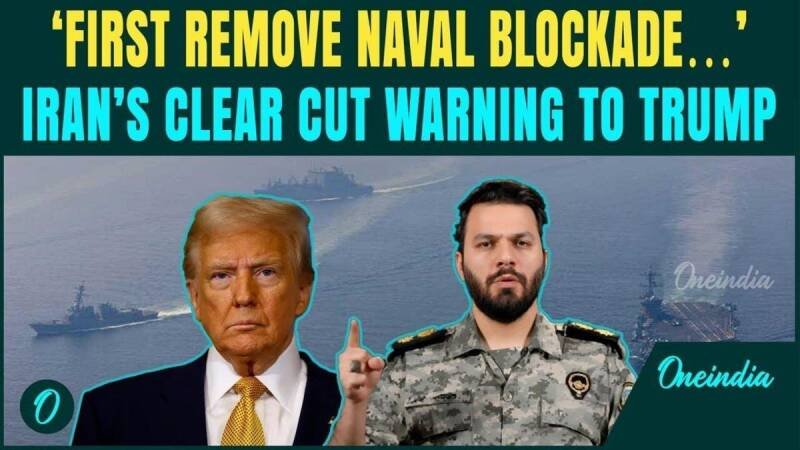
Reports have surfaced that the US military has seized an Iranian-flagged cargo ship. While official details remain scarce, the seizure adds another layer of complexity to the already strained relationship between the United States and Iran.
The exact circumstances surrounding the seizure, including the ship's location and cargo, are currently under investigation. It's important to note that such actions often occur within specific legal frameworks, typically involving suspected violations of international sanctions or maritime laws.
Tensions between the US and Iran have been high for decades, marked by disagreements over Iran's nuclear program, its regional influence, and its support for various non-state actors. The Trump administration's withdrawal from the Iran nuclear deal (JCPOA) in 2018 and the subsequent reimposition of sanctions significantly escalated these tensions.
This seizure follows a pattern of increased naval activity in the region, potentially signaling a more assertive US approach towards enforcing sanctions and deterring Iranian activities. However, such actions also carry the risk of further escalation.
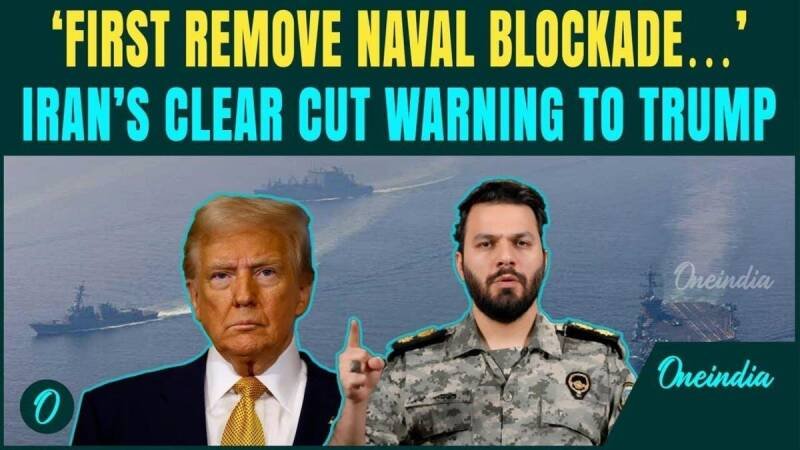
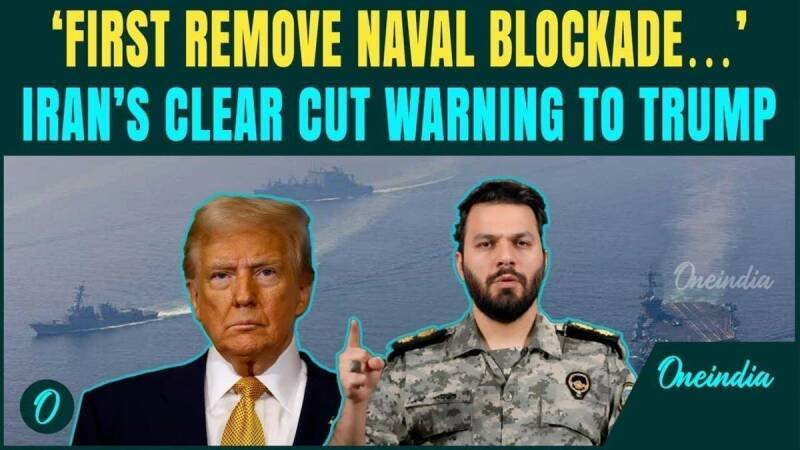
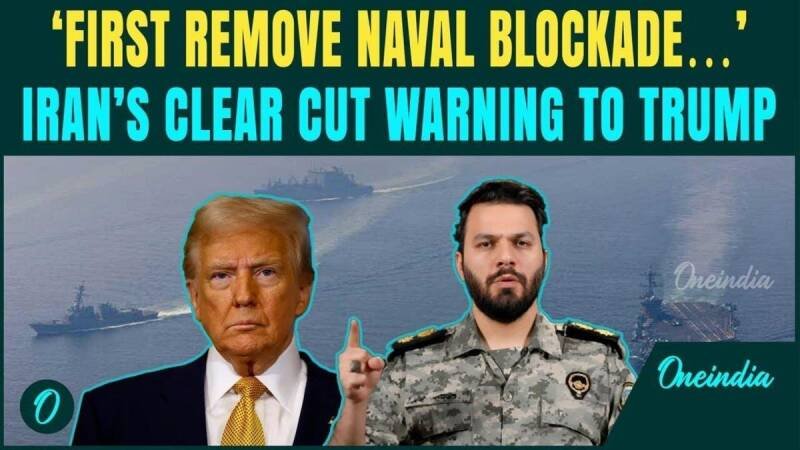
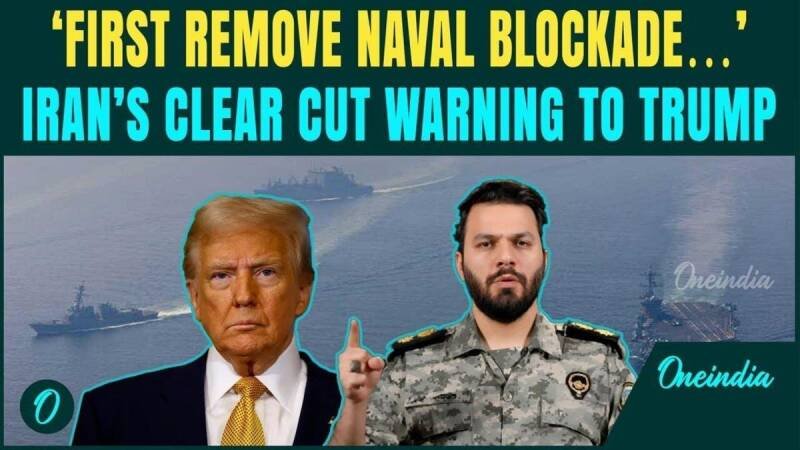
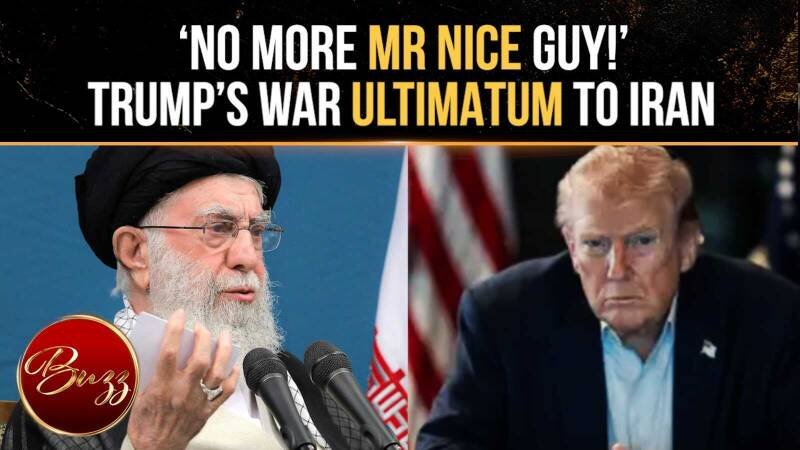
Adding to the already tense situation, Iranian state media reported that Iran has rejected new peace talks with the United States. This rejection came after former U.S. President Donald Trump reportedly stated he was sending envoys to Pakistan to facilitate discussions.
The Iranian government has consistently stated its unwillingness to negotiate with the United States unless certain preconditions are met, most notably the lifting of sanctions imposed by the US. The rejection of these talks suggests that a diplomatic breakthrough is unlikely in the near future.
Diplomacy remains crucial in de-escalating tensions and finding peaceful resolutions to complex geopolitical issues. The breakdown of communication channels increases the risk of miscalculation and accidental conflict. Without dialogue, the likelihood of further escalation rises significantly.
The seizure of the ship and the rejection of talks represent a dangerous escalation in US-Iran relations. This could have significant repercussions for regional stability and global security. A military confrontation, even an accidental one, could have devastating consequences.
Furthermore, the economic implications are considerable. Increased instability in the Middle East often leads to higher oil prices and disruptions to global trade. This could negatively impact economies worldwide.
In our opinion, the US seizure of the Iranian vessel is a calculated move, likely intended to exert further pressure on Iran and enforce existing sanctions. However, this action carries significant risks. Iran may respond with its own countermeasures, potentially targeting US interests in the region or disrupting maritime traffic.
The rejection of peace talks is equally concerning. It signals a hardening of positions on both sides and a lack of willingness to compromise. Without a willingness to engage in dialogue, the path towards de-escalation becomes significantly more challenging.
The future remains uncertain. Several potential scenarios could unfold:
This could impact global markets significantly. The coming weeks and months will be critical in determining the trajectory of US-Iran relations. Careful monitoring of the situation and proactive diplomatic efforts are essential to prevent further escalation and promote regional stability.