Trump Admin Weakens Coal Ash Rules: What It Means for Your Water
The Trump administration is proposing changes to regulations governing coal ash disposal. Learn what this means for groundwater quality and the future of environmental regulations.
Trump Administration Proposes Changes to Coal Ash Disposal Rules
The Trump administration is once again making waves in the environmental sector. This time, they're proposing significant changes to the regulations surrounding the disposal of coal ash, a byproduct of burning coal in power plants. These changes, if implemented, could weaken protections against groundwater contamination.
What is Coal Ash?
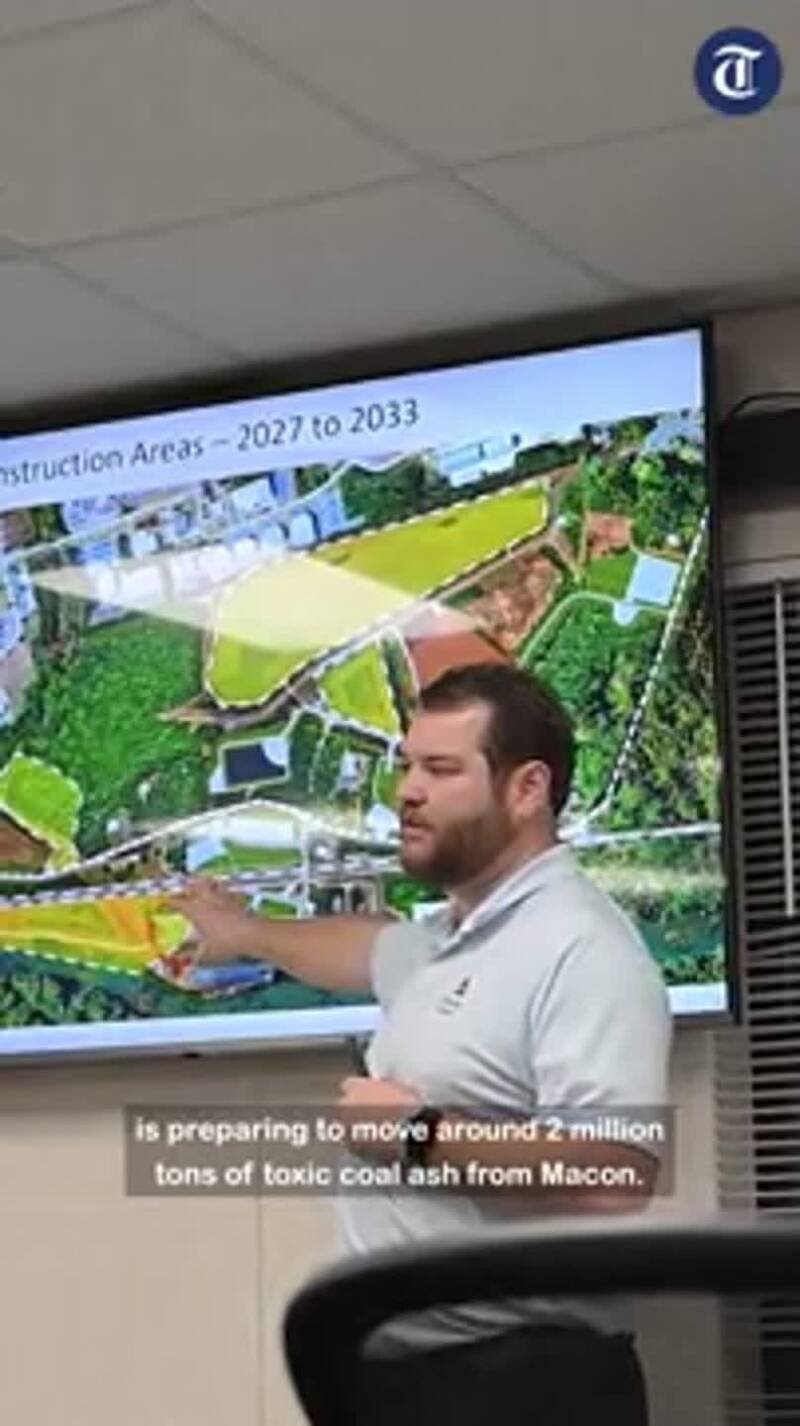
Coal ash, technically known as coal combustion residuals (CCRs), is the leftover material after coal is burned to generate electricity. It contains heavy metals like arsenic, lead, and mercury. If not properly managed, these toxins can leach into the soil and contaminate groundwater, posing a serious threat to public health and the environment.
The Proposed Changes
The proposed changes, part of a broader effort to provide "regulatory relief" to the fossil fuel industry, aim to relax some of the requirements for monitoring and managing coal ash disposal sites. Specifically, they target aspects of the 2015 Coal Ash Rule, which was introduced to address the significant risks associated with unlined coal ash ponds and landfills.
The potential impact of these changes includes:
- Reduced Monitoring: Less stringent requirements for monitoring groundwater around coal ash disposal sites.
- Extended Closure Timelines: Allowing some facilities more time to close existing unlined ash ponds.
- Weakened Enforcement: Potentially reducing the EPA's ability to enforce regulations and hold companies accountable for pollution.
Why This News Matters
This news is crucial because it directly impacts the safety of our drinking water and the health of our ecosystems. Coal ash contamination is a serious issue, and weakening regulations could lead to:
- Increased Groundwater Contamination: Higher concentrations of heavy metals in groundwater sources.
- Public Health Risks: Potential exposure to toxins that can cause cancer, neurological damage, and other health problems.
- Environmental Damage: Harm to aquatic life and ecosystems dependent on clean water.
The long-term consequences of these changes could be significant, particularly for communities located near coal-fired power plants. In our opinion, this decision prioritizes the short-term interests of the fossil fuel industry over the long-term health and well-being of the public.
Our Analysis
The Trump administration has consistently pursued policies that roll back environmental regulations, often citing economic benefits for the fossil fuel industry. However, these actions often come at a significant cost to the environment and public health.
This latest move regarding coal ash regulations is consistent with this pattern. The rationale behind the proposed changes is that they will reduce the financial burden on power companies, allowing them to continue operating coal-fired plants. However, this cost-benefit analysis fails to adequately account for the potential health and environmental costs associated with increased pollution.
It's also worth noting that the timing of this proposal coincides with increasing public awareness of the dangers of coal ash contamination. Several high-profile cases of coal ash spills and groundwater contamination have raised concerns about the adequacy of existing regulations. In this context, weakening those regulations seems particularly irresponsible.
Future Outlook
The proposed changes to the coal ash regulations are likely to face significant legal challenges from environmental groups and concerned citizens. It is probable that lawsuits will be filed arguing that the changes violate federal environmental laws and fail to adequately protect public health.
This could impact communities across the country.
Furthermore, the outcome of the upcoming presidential election could significantly impact the future of these regulations. A new administration could reverse these changes and reinstate stronger protections against coal ash contamination.
Looking ahead, it's crucial that we continue to advocate for strong environmental regulations that protect our water resources and public health. This includes:
- Supporting Strong Enforcement: Ensuring that the EPA has the resources and authority to enforce environmental regulations.
- Investing in Clean Energy: Transitioning away from fossil fuels and towards cleaner, more sustainable energy sources.
- Holding Polluters Accountable: Ensuring that companies responsible for coal ash contamination are held accountable for their actions.
The battle over coal ash regulations is far from over. It represents a broader struggle between those who prioritize economic growth at all costs and those who believe that environmental protection is essential for a healthy and sustainable future. In our opinion, a strong commitment to protecting our environment is vital for future generations.